


What Equipment Do I Need for Professional Photography?
Embarking on a journey into professional photography requires more than just passion and a good eye; it demands the right set of equipment to bring your creative visions to life. A reliable camera bag or case is essential for transporting and protecting equipment, while extra memory cards and batteries are crucial for extended shooting sessions, here’s a comprehensive guide to the essential equipment you’ll need to succeed as a professional photographer.
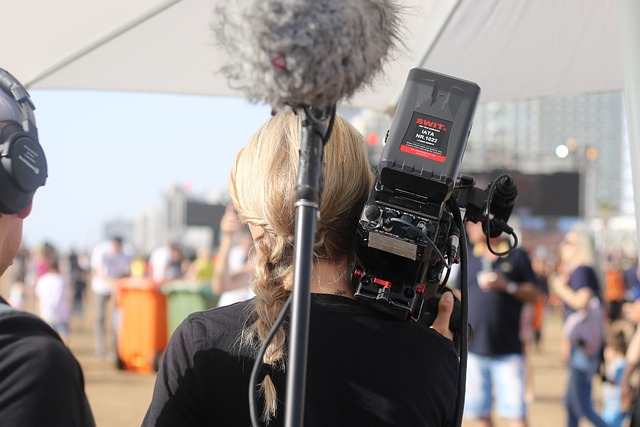
1. Camera Body
At the heart of any photographer’s gear is the camera. The camera body is the main component of a camera system, housing the image sensor, processor, and controls. Here are the most common options:
- Full-Frame DSLR Cameras: These offer superior image quality and are widely used in professional photography. Models like the Canon EOS 5D Mark IV or the Nikon D850 are popular choices.
- Mirrorless Cameras: Known for being lighter and more compact, mirrorless cameras like the Sony A7R IV or the Canon EOS R5 provide excellent image quality and advanced features.
2. Lenses
The right lens can make or break a shot, and professional photographers typically have a selection of lenses to cover various scenarios:
- Prime Lenses: Known for their sharpness and wide apertures, prime lenses like a 50mm f/1.8 or an 85mm f/1.4 are essential for portrait and low-light photography.
- Zoom Lenses: Versatile and practical, zoom lenses such as a 24-70mm f/2.8 or a 70-200mm f/2.8 allow you to cover a wide range of focal lengths without changing lenses.
- Specialty Lenses: Depending on your niche, you might also need macro lenses for close-ups, wide-angle lenses for landscapes, or tilt-shift lenses for architecture.
3. Tripod
A sturdy tripod is crucial for long-exposure shots, landscape photography, and situations where camera stability is a must. A tripod provides stability and allows for precise framing and composition, especially in low light situations or when using slow shutter speeds. Carbon fiber tripods are a great choice for professionals due to their stability and portability.
4. Lighting Equipment
Lighting can transform a photo, and mastering it is key to professional photography. Continuous lighting provides a constant light source, while strobe lighting emits a powerful burst of light. Both options are essential for creating the right ambiance and highlighting the subject. Depending on your style and environment, consider investing in:
- External Flashes: A speedlight or external flash can provide additional light where natural light is insufficient.
- Studio Lights: Continuous lights, softboxes, and strobes are essential for studio photography. Brands like Profoto and Godox offer reliable options.
- Light Modifiers: Reflectors, diffusers, and umbrellas help control and soften the light, creating the desired mood and effect in your shots.
5. Camera Accessories
To ensure your equipment is safe, functional, and optimized, the following accessories are must-haves:
- Memory Cards: High-capacity and high-speed memory cards, such as SDXC or CFExpress, are essential for storing large files and ensuring smooth shooting, especially in burst mode.
- Batteries and Chargers: Extra batteries are a lifesaver on long shoots. Make sure to have enough spares and a reliable charger.
- Camera Bag: A durable and well-padded camera bag will protect your equipment and help you stay organized, whether you’re shooting on location or in the studio.
- Filters: Neutral density (ND) and polarizing filters can be used to control exposure and reduce glare, especially in outdoor photography.
6. Post-Processing Tools
The final step in creating professional-grade photos is post-processing. Here’s what you’ll need:
- Editing Software: Adobe Lightroom and Photoshop are industry standards for editing and retouching images.
- Calibrated Monitor: A monitor with accurate color representation is crucial for precise editing. Brands like EIZO and BenQ offer monitors specifically designed for photographers.
- External Storage: High-resolution images require substantial storage space. Invest in external hard drives or SSDs for reliable and fast storage solutions.
7. Backup and Storage Solutions
Having a reliable backup system is critical to ensure your work is safe. Consider the following:
- Cloud Storage: Services like Dropbox, Google Drive, or Adobe Cloud provide secure cloud storage options.
- RAID Systems: For more robust storage, RAID systems offer redundancy and protection against data loss.
8. Computer and Software
A powerful computer is necessary to handle the demands of editing high-resolution images. Look for:
- High-Performance Laptop/Desktop: With a fast processor, ample RAM (at least 16GB), and a high-resolution screen.
- Color Calibration Tools: Devices like the X-Rite i1Display Pro ensure your monitor displays accurate colors for editing.
What Are the Key Elements of Successful Event Photography?
Event photography is an art that goes beyond simply capturing moments; it’s about telling a story and preserving memories in a way that resonates with the event’s atmosphere and purpose. A skilled event photographer must have a good understanding of lighting, composition, and camera settings to ensure high-quality images in various lighting conditions and settings. Here are the key elements that contribute to effective event photography:

1. Understanding the Event’s Purpose
Before the event, it’s crucial to understand the overall theme, goals, and key moments that need to be captured. Understanding the purpose of the event allows the photographer to anticipate and capture the most important moments, emotions, and interactions that align with the event’s objectives, knowing the event’s purpose helps guide the photographer’s focus and approach.
2. Preparation and Planning
Successful event photography begins long before the event itself. Key elements include understanding the event schedule and flow, scouting the location for optimal shooting spots, coordinating with event organizers and other vendors, and preparing the necessary equipment such as cameras, lenses, and lighting gear. Planning also involves creating a shot list of important moments that must be captured, such as the exchange of vows or key speeches.
3. Adaptability
Events are dynamic, with spontaneous moments that can happen at any time. Communication skills are crucial in ensuring that the photographer is able to adapt to any changes or requests that may come up throughout the event. This requires not only technical proficiency but also a keen eye for detail.
4. Technical Proficiency
Having a deep understanding of your camera and equipment is essential. This requires photographers to be observant, quick on their feet, and able to blend into the background to capture authentic emotions and interactions. Additionally, having backup equipment ready can save the day if any technical issues arise.
5. Capturing Candid Moments
While posed shots have their place, the real magic often happens in candid moments. A skilled event photographer understands the importance of being in the right place at the right time, anticipating key moments, and having the technical expertise to capture those moments in a way that is visually compelling. This requires the photographer to be observant and ready to snap the shot at the perfect moment.
6. Effective Communication
A successful event photographer needs to communicate effectively with event organizers, guests, and other vendors. The photographer must be able to anticipate and capture the essence of the event, whether it’s a corporate conference, a wedding, or a music festival.
7. Attention to Detail
Event photography requires a keen eye for detail. This means paying close attention to lighting, framing, and angles to create visually stunning and impactful images. These details help create a comprehensive visual narrative of the event.
8. Post-Processing and Editing
The work doesn’t end when the event is over. Successful event photography hinges on several key elements that significantly enhance the post-processing and editing phases, ensuring that the final images resonate with the intended audience. Effective editing can elevate the quality of the images and highlight the key moments captured during the event.
How Do I Choose the Right Photography Genre for Me?
Choosing the right photography genre is a crucial step in shaping your creative journey. Whether you are drawn to portrait photography, landscape photography, street photography, or any other genre, take the time to explore each one and see which resonates with you the most. Here’s a guide to help you navigate the process and discover the photography genre that best suits you.
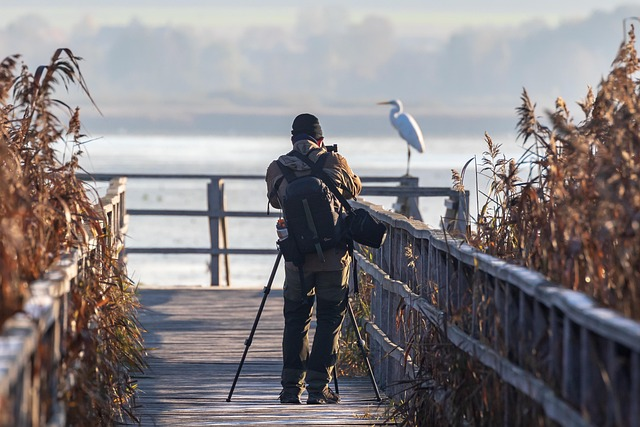
1. Identify Your Interests and Passion
The first step in choosing a photography genre is to identify what you are genuinely passionate about. Consider the subjects that naturally draw your attention. Do you enjoy capturing the beauty of nature, or are you more intrigued by the dynamics of human interactions? Your personal interests will guide you towards a genre where you can thrive creatively.
2. Experiment with Different Genres
Before settling on a specific genre, it’s essential to experiment with different styles of photography. Try your hand at landscape, portrait, street, wildlife, and even abstract photography. This experimentation phase allows you to explore various techniques and discover what excites you the most.
3. Evaluate Your Skills and Strengths
Each photography genre requires a unique set of skills. For example, portrait photography demands a strong understanding of lighting and posing, while landscape photography often requires patience and a keen eye for composition. Assess your current skill set and determine which genre aligns with your strengths. Alternatively, consider which skills you are eager to develop further.
4. Consider Your Equipment and Resources
Your choice of photography genre may also depend on the equipment and resources you have available. While some genres like macro photography may require specialized lenses, others like street photography can be more flexible with gear. Consider what equipment you already own and how it fits with the genre you are interested in.
5. Reflect on Your Lifestyle
Your lifestyle can also influence your choice of photography genre. If you enjoy traveling, genres like landscape or travel photography may be ideal. On the other hand, if you prefer staying closer to home, genres like portrait or still life photography could be more suitable. Choose a genre that complements your lifestyle and allows you to engage with your passion regularly.
6. Study the Work of Established Photographers
Look at the work of established photographers in different genres to gain inspiration and insight. Analyzing their techniques, style, and subject matter can help you understand what each genre entails and whether it resonates with you. This can also help you find a mentor or a community that shares your interests.
7. Listen to Feedback
Share your work with others and pay attention to the feedback you receive. Constructive criticism can provide valuable insights into your strengths and areas for improvement. It can also highlight which genres resonate most with your audience, helping you refine your focus.
8. Stay Open to Evolution
As you progress in your photography journey, your interests and style may evolve. It’s important to remain open to change and not feel confined to a single genre. Photography is an evolving art form, and as you grow, your choice of genre may shift to reflect your new interests and experiences.
9. Find Your Unique Voice
Ultimately, the right photography genre for you is one that allows you to express your unique perspective and creativity. Don’t be afraid to blend elements from different genres to create something that feels authentically yours. Finding your niche in photography is a personal journey, and it’s all about what makes you feel fulfilled and inspired.

H Raja Photography stands as a premier photography service in Dubai, renowned for its exceptional ability to capture moments with unparalleled artistry and precision. With a keen eye for detail and a commitment to excellence, H Raja offers a diverse range of photography services tailored to meet the unique needs of each client. Whether it is a lavish wedding, a corporate event, or a personal portrait session, the team employs state-of-the-art equipment and innovative techniques to ensure that every image tells a compelling story. The studio’s portfolio showcases a blend of creativity and professionalism, making it a sought-after choice for both local and international clients seeking high-quality photography in the vibrant city of Dubai.
Best Photography in Dubai:-
hether you are looking for a traditional style of photography or a more modern and creative approach, our team can cater to your specific needs and preferences. With a keen eye for detail and a passion for photography, our photographers will work closely with you to understand your vision and deliver exceptional results that exceed your expectations. Trust our Best Photography in Dubai service to capture your special moments in the most beautiful and memorable way possible.