

DIN 6343 vs. Standard Collets: Key Differences Explained
They are used for holding workpieces or tools securely in place, making them a crucial component for CNC machines, lathes, and other industrial equipment. Among the various types, DIN 6343 collets stand out as a specialized option, offering enhanced performance compared to standard collets such as ER collets and Traub collets.
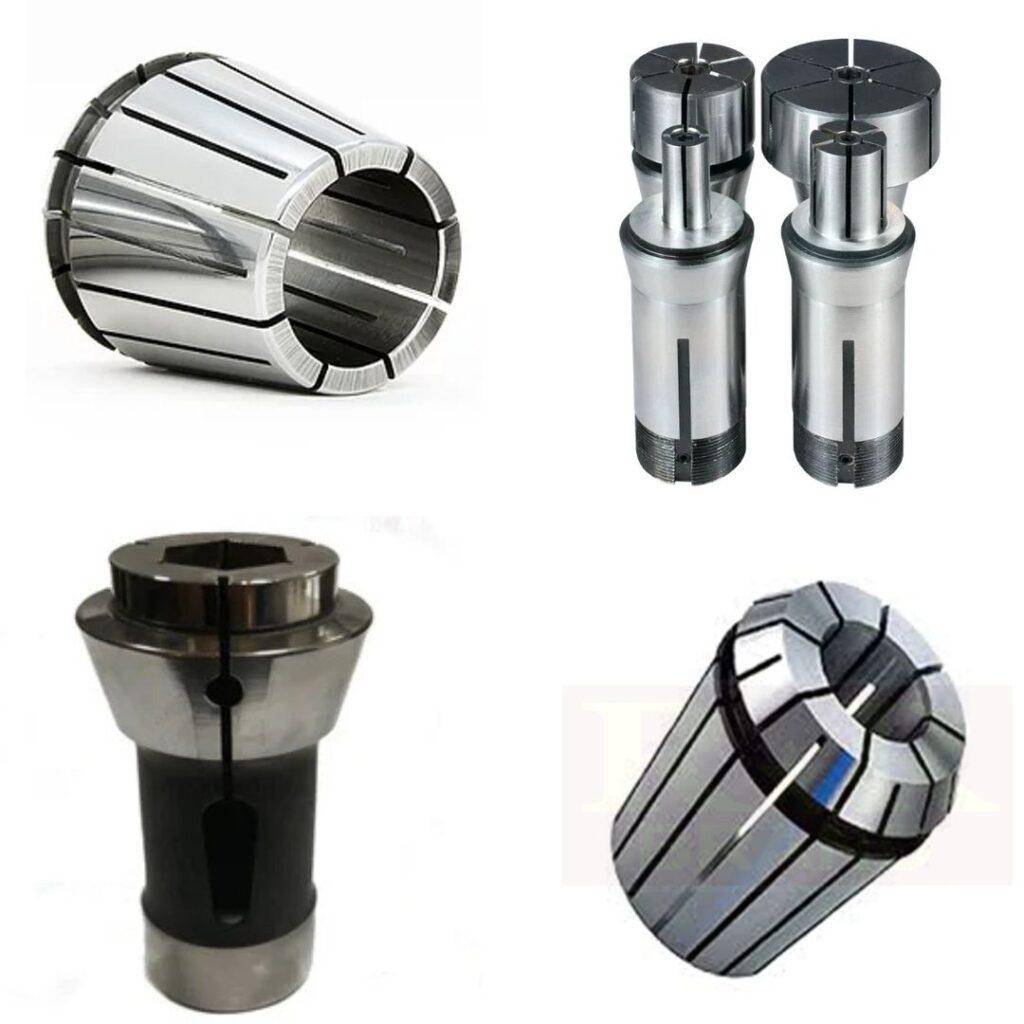
Understanding the differences between these types of collets is important for manufacturers and machine operators looking to optimize their production process.
What Are Collets and Why Are They Important?
Collets are a type of chuck designed to hold cylindrical objects tightly by applying uniform clamping pressure. This ensures that machining tasks, such as drilling, milling, and turning, are carried out with high accuracy and minimal vibration. Leading collet manufacturers provide different varieties including Traub collets, ER collets, and DIN collets, each designed for specific applications. Choosing the right type can directly affect tool life, machining accuracy, and overall productivity.
Standard Collets: Versatility at Its Best
Standard collets like ER collets are widely used across industries due to their versatility and cost-effectiveness. They can grip a wide range of tool shank sizes, making them an excellent choice for workshops handling multiple machining operations. Traub collets are another commonly used option, particularly in automatic lathes. They are simple, reliable, and provide sufficient accuracy for many industrial needs.
These standard collets are preferred for general machining operations where ultra-high precision may not be the top priority. For small to medium-sized enterprises, standard collets are practical because they are easily available, relatively inexpensive, and supported by most machines.
For more details about different types of collets, you can explore Sikka Collets, a trusted collet manufacturer in India offering a wide range of solutions.
DIN 6343 Collets: Designed for Precision
When machining requirements demand superior accuracy and performance, DIN 6343 collets become the ideal choice. These collets are designed as per German DIN standards, which emphasize precision, durability, and high clamping force. Compared to standard collets, DIN collets have the following advantages:
- Higher Accuracy: DIN 6343 collets maintain concentricity and reduce runout, ensuring tighter tolerances.
- Better Surface Finish: With stable clamping, they produce smoother finishes on workpieces.
- Durability: Manufactured from high-quality steel, they can withstand continuous usage without significant wear.
- Enhanced Productivity: Less tool slippage and vibration mean reduced downtime and higher machining efficiency.
These benefits make them especially suitable for industries where precision is non-negotiable, such as aerospace, automotive, and medical equipment manufacturing. You can learn more about their features on Sikka Collets – DIN 6343 Collets.
Key Differences Between DIN 6343 and Standard Collets
While both collet types serve the purpose of securing workpieces or tools, they differ in critical aspects:
- Application: Standard collets (ER collets and Traub collets) are best for general machining, while DIN 6343 collets are tailored for high-precision operations.
- Accuracy: DIN collets provide superior concentricity and minimal runout compared to standard options.
- Cost: Standard collets are more budget-friendly, while DIN 6343 collets are an investment for advanced applications.
- Durability: Due to their design and material quality, DIN collets generally last longer under heavy usage.
- Clamping Force: DIN collets exert more uniform and stronger clamping, reducing tool wear.
These differences help industries decide based on their specific requirements—whether cost-effectiveness or top-tier precision is the priority.
Choosing the Right Collet Manufacturer
Selecting the right collets goes beyond just knowing the type. Partnering with reliable collet manufacturers ensures consistent quality and long-term performance. Sikka Collets, a leading collet manufacturer in India, provides a complete range including Traub collets, DIN collets, and ER collets, all crafted to meet global standards. Their expertise in manufacturing ensures that customers receive products designed for accuracy, durability, and efficiency.
For more product options, you can check their range of Traub Collets and ER Collets.
Final Thoughts
The choice between DIN 6343 collets and standard collets depends largely on your machining requirements. For everyday, versatile operations, standard options like ER collets and Traub collets are sufficient and cost-effective. However, when high precision, durability, and superior performance are critical, DIN collets are unmatched.
As industries continue to adopt advanced machining techniques, the demand for specialized collets is only growing. Partnering with trusted collet manufacturers like Sikka Collets ensures that businesses not only get the right tools but also long-term support and expertise. By understanding the key differences, manufacturers can make smarter decisions to enhance their efficiency and output.