

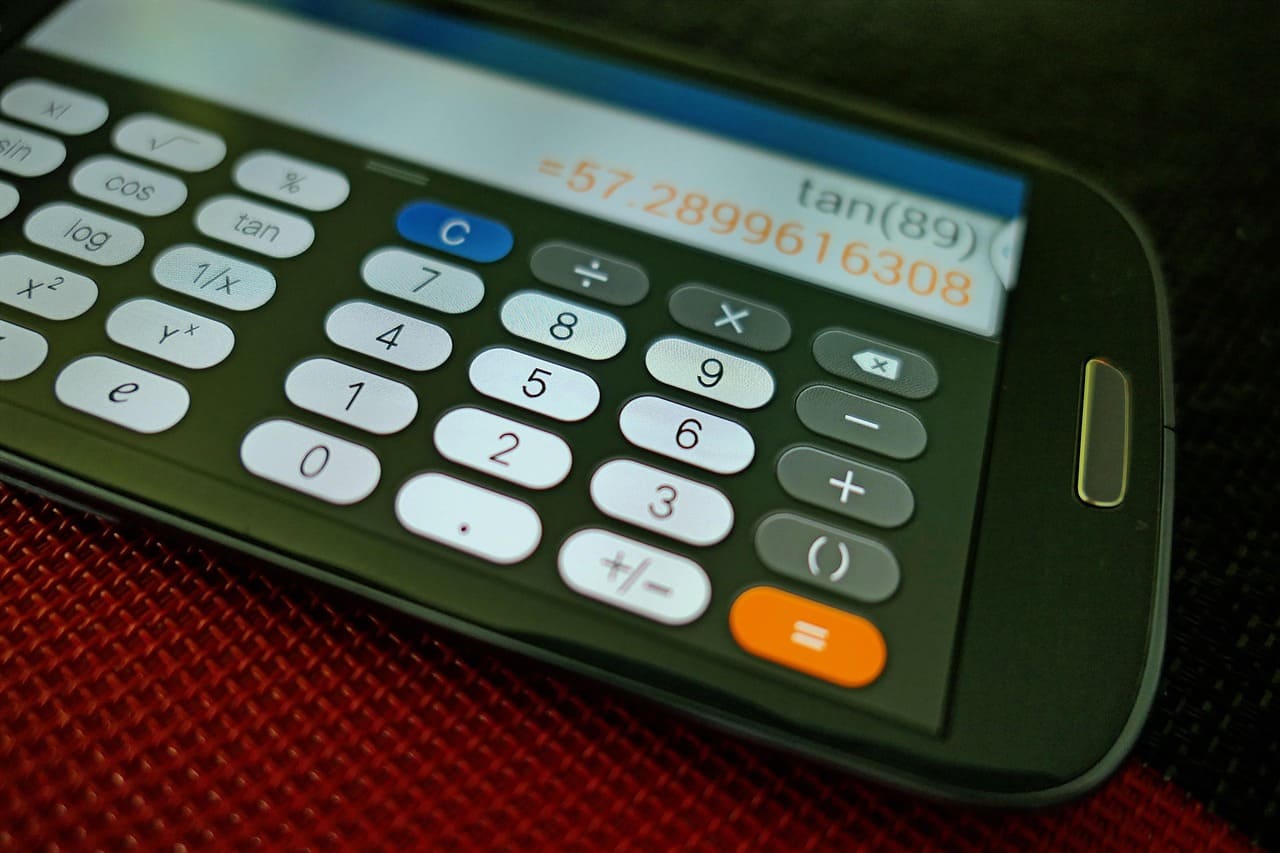
Cubic Feet Calculator – Estimating Cubic Feet with Ease
Measuring volume can be tricky without the right tools. A cubic feet calculator makes the process simple. Whether you are moving, building, or buying materials, estimating cubic feet correctly helps you save time and money.
What Is a Cubic Feet Calculator
A cubic feet calculator is a tool that helps you figure out the volume of a space or object in cubic feet. It works by using three measurements: length, width, and height.
Once entered, the calculator multiplies them together to give the total cubic feet. This is useful for shipping, moving, construction, or storage.
Why Estimating Cubic Feet Matters
Understanding cubic feet helps in many daily and project-based tasks:
- Moving: Know how much space boxes and furniture will take up in a truck.
- Shipping: Carriers often charge by volume as well as weight.
- Construction: Materials like soil, gravel, or concrete are often measured by volume.
- Storage: Plan storage units or rooms by knowing capacity in cubic feet.
Accurate estimates prevent wasted money and poor planning.
How to Use a Cubic Feet Calculator
Using the calculator is simple:
- Measure the length, width, and height of the item or area.
- Enter these values into the calculator.
- Press Calculate to get the total cubic feet.
This method works for rectangular or square shapes. For irregular shapes, divide into smaller sections, then add the totals.
Formula for Cubic Feet
The basic formula for cubic feet is:
Cubic Feet = Length × Width × Height
- Measurements should be in feet.
- If you have inches, convert to feet by dividing by 12.
- For multiple items, calculate each one separately and sum totals.
Examples of Cubic Feet Calculation
- Moving box: 2 ft × 2 ft × 3 ft = 12 cubic feet.
- Bookshelf: 3 ft × 1 ft × 6 ft = 18 cubic feet.
- Truck storage: 10 ft × 5 ft × 8 ft = 400 cubic feet.
A cubic feet calculator gives quick results without manual math.
Benefits of a Cubic Feet Calculator
- Saves time: Instant calculations with accurate numbers.
- Reduces errors: No need for complicated math.
- Practical planning: Helps with shipping, moving, or building projects.
- Cost savings: Avoid overpaying for transport or material.
Everyday Uses of Cubic Feet
- Moving Homes
A cubic feet calculator helps figure out how many boxes fit in a truck. Movers also use it to plan trips. - Storage Units
Choosing the right storage unit size is easier when you know the total cubic feet of your items. - Construction Projects
Whether you need soil, gravel, or concrete, cubic feet measurement ensures accurate material orders. - Shipping Packages
Carriers calculate costs using volume, so knowing cubic feet helps estimate shipping charges. - Household Planning
Buying a fridge, washing machine, or freezer often requires checking cubic feet capacity.
Tips for Accurate Estimation
- Always measure at the widest point.
- Convert all measurements into feet before calculating.
- Double-check measurements before using them.
- Add a margin of 5–10% for safety when estimating material or space.
- For irregular shapes, break them into smaller rectangles or cubes.
Converting Units to Cubic Feet
Sometimes measurements come in inches, yards, or meters.
- Inches to feet: Divide inches by 12 before calculation.
- Yards to feet: Multiply yards by 3 before calculation.
- Meters to feet: Multiply meters by 3.281 to get feet.
Then use the cubic feet formula or calculator.
Real-Life Applications
- Interior Design: Estimating cubic feet helps when placing furniture in a room.
- Warehouse Planning: Know how much inventory fits into given space.
- Gardening: Calculate soil needed for planters or raised beds.
- Aquariums: Tank size is often measured in gallons, but cubic feet is also useful.
- DIY Projects: Building cabinets, shelves, or boxes requires accurate cubic feet calculations.
Frequently Asked Questions
Is a cubic feet calculator accurate?
Yes, if measurements are entered correctly.
Can it calculate irregular shapes?
Yes, but divide the shape into smaller cubes or rectangular sections first.
What is the difference between cubic feet and square feet?
Square feet measure area, while cubic feet measure volume.
Can cubic feet be converted into gallons?
Yes, 1 cubic foot equals about 7.48 gallons.
Why do movers use cubic feet?
It shows how much space items will take in the truck.
Common Mistakes to Avoid
- Forgetting to convert inches to feet before calculation.
- Measuring only one side instead of the full width or length.
- Not rounding up when planning for material or storage needs.
A cubic feet calculator helps avoid these mistakes.
Advanced Tips
- For circular objects, use the formula for volume of a cylinder: π × radius² × height.
- For triangular prisms, use base area × height.
- For irregular objects, use water displacement or approximate by dividing shapes.
- Always keep a note of your measurements for double-checking.
Why Use a Calculator Instead of Manual Math
Doing manual math takes time and increases the chance of error. A cubic feet calculator is fast, simple, and accurate. It removes stress and ensures you get correct numbers for moving, building, or shipping.
Final Thoughts
A cubic feet calculator is a practical tool for anyone working with space, volume, or materials. Whether you are planning a move, shipping packages, building, or storing items, accurate cubic feet measurement saves time and money.
Measure, enter, calculate, and get results instantly. With a cubic feet calculator, estimating cubic feet becomes simple and reliable.

