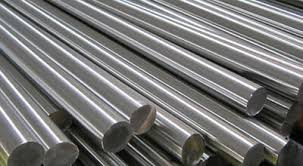
Stainless Steel Round Bar Price Trend 2025: A Mixed Global Picture
In 2025, the global stainless steel round bar market has seen a mix of price movements across major regions. While prices dipped slightly in China, they rose modestly in Germany and the United States. These changes are shaped by various factors, such as supply and demand dynamics, raw material costs, export conditions, and broader economic trends.
Let’s break it down region by region to understand what’s happening in the stainless steel round bar market this year, especially in the second quarter (Q2) of 2025.
China: Slight Price Drop Amid Oversupply and Soft Demand
In China, the price of stainless steel round bars saw a small drop in Q2 2025. Prices went from $2,284 per metric tonne in Q1 to $2,278 in Q2, which is a 0.26% decrease. On paper, this might seem like a very small change, but it reflects a broader trend happening in the Chinese steel industry.
One of the main reasons for the price drop is oversupply. Chinese steel mills have continued to produce stainless steel round bars at high rates, but demand hasn’t kept up — both within China and in the export markets. Even though industries like machinery and construction are still buying, their demand isn’t strong enough to absorb the high levels of production.
Another issue is the uncertainty in nickel prices, which directly impacts the cost of producing stainless steel. Nickel prices have been fluctuating, making it harder for buyers and sellers to commit to long-term purchases. As a result, many buyers have taken a cautious approach, purchasing only what they need rather than stocking up.
On top of this, export opportunities for China have been limited. Trade barriers in some regions and strong competition from countries in Southeast Asia have made it difficult for Chinese producers to push their products abroad. These challenges have put additional downward pressure on prices.
Still, not all is gloomy. China’s infrastructure investments and the increasing demand for high-quality, corrosion-resistant materials in industries like energy and chemicals have provided some support to the market. So while prices dipped slightly, there are still signs of stability in certain segments.
For latest updates, price queries, demand forecasts, and supplier information related to Stainless Steel Round Bar Prices, submit your request here: https://www.price-watch.ai/contact/
Germany: Modest Price Rise Amid Stable Industrial Demand
Meanwhile, in Germany, prices for stainless steel round bars actually saw a small increase of 0.43% in Q2 2025. This growth, though modest, reflects a relatively stable market with ongoing demand from key industries.
Sectors such as automotive, engineering, and machinery — which are major consumers of stainless steel round bars — continued to show steady activity during the quarter. These industries rely on high-precision, durable materials, and German producers are known for delivering just that. Their reputation for quality gives them an edge, even when cheaper products are available from abroad.
The European market as a whole remains a bit cautious due to economic uncertainties and competition from low-cost imports. However, in Germany’s case, raw material prices — especially for nickel and chromium — stabilized during Q2, which helped mills manage costs better.
Another positive factor is the expectation of new EU trade measures that aim to protect local producers from cheap imports. These upcoming regulations have helped maintain confidence in the domestic market. Buyers are still careful, but they are not pulling back sharply.
Overall, the German stainless steel round bar market remains resilient, supported by its strong industrial base and a focus on quality.
United States: Prices Increase Thanks to Strong Sector Demand
In the United States, the price of stainless steel round bars rose by 0.56% in Q2 2025. This increase was driven by strong demand from critical industries like aerospace, oil & gas, and automotive — all of which require durable, high-specification stainless steel.
The US has continued to benefit from large-scale infrastructure projects and supportive trade policies, both of which have kept demand healthy. Domestic steel mills have used these favorable conditions to maintain pricing power, even as competition from abroad remains tough.
Input costs have also played a role. Rising prices for energy and scrap — both important in the production of stainless steel — have pushed up costs for mills. However, instead of absorbing these costs, many producers have passed them on to buyers, which contributed to the price increase.
Looking ahead, the outlook for the US stainless steel round bar market remains positive. As long as sectors like aerospace and infrastructure continue to grow, demand for high-quality stainless steel will likely stay strong. There’s a growing emphasis on reliability and quality, especially in industries where safety and performance matter — and this is good news for domestic producers.
A Global Snapshot: What’s the Overall Trend?
So, what’s the overall picture in 2025? It’s clear that regional dynamics are shaping the market differently. While China is dealing with oversupply and cautious buying, Germany and the US are benefiting from stable industrial demand and supportive trade environments.
Here’s a quick summary:
- China: Slight price decline due to oversupply, weak export demand, and cautious buying. However, infrastructure and industrial investments offer some support.
- Germany: Modest price increase amid stable demand from machinery and automotive industries, and expectations of trade protection.
- United States: Stronger price growth supported by demand from high-spec sectors and rising input costs passed onto buyers.
While the changes in each region are relatively small in percentage terms, they reflect deeper trends that are likely to continue influencing the market in the coming quarters.
Final Thoughts
The stainless steel round bar market in 2025 shows how different regions can face very different challenges and opportunities, even when dealing with the same material. Factors like production rates, trade policies, raw material costs, and industrial demand all play a role in shaping prices.
For buyers and sellers alike, it’s a time to stay informed and flexible. Whether it’s watching raw material trends, monitoring global trade shifts, or understanding the needs of key industries, staying ahead of the curve will be key to making smart decisions in the stainless steel market this year.