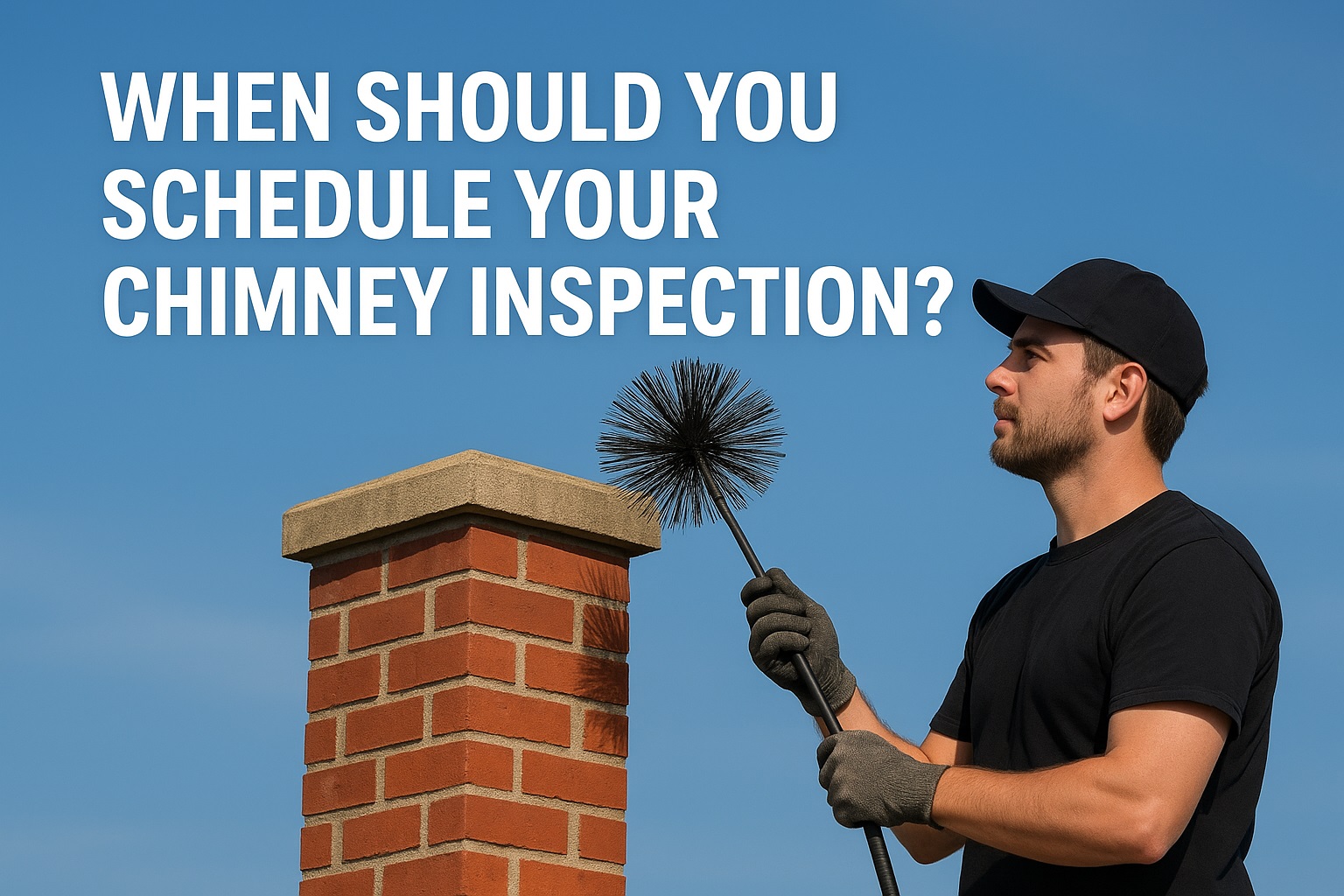
When Should You Schedule Your Chimney Inspection?
Homeowners who rely on fireplaces for comfort and warmth must prioritize regular chimney care. Hidden structural issues, creosote accumulation, and poor ventilation can create fire hazards and indoor air quality problems. Knowing the correct timing for a professional evaluation helps reduce risks, ensures compliance with safety codes, and keeps heating systems efficient. This makes it important to understand when to schedule a professional Chimney Inspection .
Why Does Scheduling a Chimney Inspection Matter?
Chimneys face high heat and constant exposure to combustion byproducts. Without scheduled evaluations, minor issues may go unnoticed until they become dangerous. The National Fire Protection Association (NFPA) reports that heating equipment, including chimneys, is a leading cause of house fires. A routine fireplace inspection helps detect hidden concerns before they escalate. By scheduling annually, homeowners reinforce fireplace safety, comply with building codes, and reduce repair costs. Regular assessments also play a major role in chimney maintenance, helping to extend system life and prevent chimney fire incidents.
What Problems Are Commonly Found During Chimney Inspections?
Professional inspections often uncover conditions that homeowners may not detect themselves. Common findings include
- Creosote Buildup Removal: Creosote is a highly flammable byproduct of burning wood, and buildup requires immediate attention to reduce fire risk.
- Blockages: Obstructions such as bird nests, leaves, or debris cause backdrafts and increase smoke and carbon monoxide risks.
- Masonry and Structural Damage: Cracks in mortar or bricks allow heat to escape and damage nearby materials.
- Flue Liner Damage Inspection: Small gaps in the liner can compromise draft efficiency and let toxic gases leak into the home.
- Moisture Problems: Leaks lead to rust, mold, and structural decay.
These issues demonstrate why a chimney sweep and inspection is more reliable than surface-level checks done by homeowners.
What Benefits Do Regular Chimney Inspections Provide?
Scheduling timely evaluations provides several critical advantages
1. Fire Prevention: Early detection of creosote, cracks, or liner issues lowers fire risks.
2. Air Quality Protection: Proper venting reduces smoke and carbon monoxide risks.
3. Extended Lifespan: Regular chimney maintenance prevents premature deterioration.
4. Cost Efficiency: Addressing minor flaws early avoids major repair bills.
5. Home Safety Compliance: A home safety inspection standard is met, supporting insurance and property requirements.
By committing to annual scheduling, homeowners ensure both safety and efficiency.
What Role Does the Chimney Liner Play in Fire Safety?
The chimney liner is a key safety barrier between extreme heat and combustible building materials. Its functions include containing combustion gases, protecting masonry, and promoting proper airflow. Flue liner damage inspection is essential because even minor cracks can allow gases to escape or intensify fire risks. Inspectors use video cameras to detect hidden flaws, ensuring the system continues to support fireplace safety. Whether for wood or gas fireplace chimney inspection, liner evaluations are vital for safe operation.
How Much Does a Chimney Inspection Cost?
Inspection pricing depends on the level required and the chimney’s overall condition.
| Type of Chimney Inspection | Average Cost (USD) |
|---|---|
| Level 1 Inspection | $75 – $150 |
| Level 2 Inspection | $150 – $300 |
| Level 3 Inspection | $300 – $1,000+ |
Disclaimer: Costs vary by location and provider. Additional charges may apply for chimney cleaning and inspection, repairs, or specialized tools. Still, investing in inspection is far less costly than recovering from structural damage or fire.
“Fire safety begins with prevention, and prevention starts with proper inspection and maintenance.”
What Are the Most Common FAQs About Chimney Inspections?
Q1: How often should a chimney be inspected?
NFPA recommends at least once a year, or more often if the fireplace is used heavily.
Q2: Is sweeping included with inspection?
Not always. A chimney cleaning and inspection removes debris and buildup, while inspection alone evaluates safety and structure.
Q3: Do gas systems require checks?
Yes. A gas fireplace chimney inspection is necessary to ensure proper venting and detect liner or blockage issues.
Q4: Should inspection be scheduled before home purchase?
Yes. A chimney repair and inspection during real estate transactions prevents unexpected costs later.
Q5: When is the best time of year to schedule?
Late summer or early fall, before the heating season, ensures problems are corrected before regular use.
What Features Define a Reliable Chimney Inspection Service?
The best service providers include:
- Certification: Technicians certified by the Chimney Safety Institute of America (CSIA).
- Comprehensive Solutions: Services that include chimney repair and inspection, cleaning, and maintenance.
- Advanced Technology: Video scanning to detect structural and liner damage.
- Clear Documentation: Reports with images that support findings.
- Experience with Multiple Systems: Expertise in both wood-burning and gas fireplace chimney inspection.
How Does Timely Chimney Inspection Improve Overall Home Safety?
Timely inspections reduce fire hazards, improve system efficiency, and protect indoor air quality. From creosote buildup removal to flue liner damage inspection, every step safeguards homeowners. Professional scheduling also ensures compliance with building codes and insurance requirements. Ultimately, prioritizing consistent Chimney Inspection is one of the most effective ways to strengthen fireplace safety, maintain home value, and protect residents from hidden risks.
Read More: Chimney Sweep