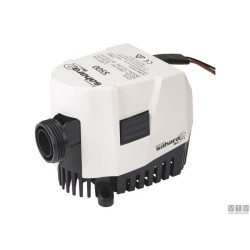
Electric Bilge Pumps: Essential Safety Devices for Boats
When it comes to boating safety, one device stands out as a critical lifesaver— the electric bilge pump. These pumps play a vital role in keeping boats dry and safe by automatically removing unwanted water that accumulates in the bilge, the lowest part inside the hull of a vessel. Whether you own a small recreational boat or a large commercial vessel, an electric bilge pump is an indispensable part of your onboard safety equipment. This article explores how electric bilge pumps work, their types, features, and why they are crucial for marine safety.
What Is an Electric Bilge Pump?
An electric bilge pump is a motorized device designed to pump out water from the bilge area of a boat. Boats can take on water for many reasons—rain, waves, leaks, or condensation—and if left unchecked, this water can cause instability, damage, or even sinking. Electric bilge pumps work by automatically or manually pumping out this excess water, ensuring the vessel remains buoyant and safe.
How Do Electric Bilge Pumps Work?
Electric bilge pumps operate by using an electric motor connected to an impeller or diaphragm that pushes water out through a discharge hose. Most electric bilge pumps are powered by the boat’s battery and are usually connected to a float switch or water sensor that activates the pump when water reaches a certain level. This automatic function means boat owners do not have to constantly monitor water levels manually.
Types of Electric Bilge Pumps
- Submersible Pumps
These pumps are designed to be placed directly inside the bilge. They are waterproof and compact, allowing them to operate while submerged in water. Submersible pumps are popular because they are easy to install and efficient at removing water quickly. - Non-Submersible Pumps
Mounted outside the bilge, these pumps draw water through suction hoses. They are often used in larger vessels or in specific configurations where submersible pumps aren’t practical.
Key Features to Consider
- Pump Capacity: Measured in gallons per hour (GPH), pump capacity determines how quickly a pump can remove water. Common sizes range from 500 to 3,000 GPH, depending on boat size and usage.
- Power Source: Most pumps run on 12V DC from the boat’s battery, though larger vessels may use 24V systems.
- Automatic Operation: Pumps with float switches or water sensors offer peace of mind by activating without manual intervention.
- Durability: Marine-grade materials resistant to corrosion and saltwater prolong pump life.
- Ease of Installation and Maintenance: Simple wiring and accessible placement make upkeep easier.
Why Are Electric Bilge Pumps Important?
- Safety: Removing excess water prevents flooding, reduces the risk of capsizing, and maintains vessel stability.
- Protecting Equipment: Water in the bilge can damage electrical systems, engines, and other onboard equipment.
- Compliance: Many maritime regulations require vessels to have functional bilge pumps.
- Emergency Preparedness: In the event of hull breaches or heavy rain, electric bilge pumps provide critical protection until repairs can be made.
Maintenance Tips
Regular inspection and maintenance ensure your bilge pump works when needed. Check the pump and float switch for debris, test the automatic function periodically, and ensure electrical connections are clean and secure. It’s also wise to keep a backup manual pump onboard.
Conclusion
Electric bilge pumps are essential devices that safeguard boats by automatically removing unwanted water from the bilge. Their reliability, ease of use, and effectiveness make them indispensable for both casual boaters and professionals. Investing in a quality electric bilge pump and maintaining it properly enhances safety, protects valuable equipment, and ensures peace of mind while on the water.