

Cancer and Aging: Risks Increase with Age
As we age, our bodies undergo numerous physiological changes that can increase the risk of developing cancer. Understanding how aging contributes to cancer risk is crucial for prevention, early detection, and effective treatment. Aging is the most important risk factor for cancer, and most diagnoses occur in individuals over 50.
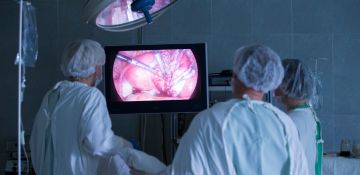
Understanding the Link Between Cancer and Age
Accumulation of Genetic Mutations
Over the years, cells naturally accumulate genetic mutations due to environmental exposures such as UV radiation, chemicals, and tobacco smoke, as well as normal cellular processes. These mutations may disrupt normal cell growth and division, leading to uncontrolled proliferation, a hallmark of cancer.
Weakened Immune System
The immune system plays a critical role in detecting and destroying cancer cells. As we age, immune surveillance weakens, reducing the body’s ability to identify and eliminate malignant cells. This decline makes older adults more vulnerable to cancer.
Prolonged Exposure to Carcinogens
Aging inherently increases the duration of exposure to carcinogens present in the environment. Over decades, these exposures accumulate, further elevating the likelihood of cancer development.
Cellular and Molecular Changes
With age, cells experience functional decline in several processes, including DNA repair, cellular metabolism, proteostasis (protein maintenance), and telomere function. These cellular and molecular changes create a favorable environment for cancer progression.
Age-Related Trends in Cancer Incidence
Steeper Rise in Cancer Risk After 50
Cancer incidence increases significantly around the age of 50–60 and continues to climb. This rise reflects both the cumulative effect of DNA damage and the decreased efficiency of the body’s defense mechanisms.
Peak and Decline in Very Old Age
Interestingly, cancer incidence appears to decline slightly in individuals over 85. This phenomenon may be due to the reduced proliferative capacity of older cells, which makes it harder for cancers to develop and grow.
Key Statistics on Cancer and Aging
- Global Impact: In 2020, more than 60% of new cancer cases and 70% of cancer-related deaths occurred in people aged 60 and above.
- Age Group Significance: Individuals over 65 account for the majority of cancer diagnoses and mortality worldwide.
Biological Mechanisms Behind Increased Risk
DNA Damage and Repair Decline
As we age, the efficiency of DNA repair mechanisms decreases. Unrepaired mutations accumulate over time, increasing the risk of malignant transformations.
Telomere Shortening and Cell Senescence
Telomeres, protective caps at the ends of chromosomes, shorten with each cell division. Critically short telomeres trigger cellular senescence, and the resulting instability can contribute to cancer development.
Proteostasis and Metabolic Changes
Aging affects the maintenance of proteins and metabolic processes, creating a cellular environment more prone to errors and malignancies.
Reducing Cancer Risk as We Age
Healthy Lifestyle Choices
Maintaining a balanced diet rich in fruits, vegetables, and whole grains, along with regular physical activity, has been shown to lower the risk of several cancers. Dr. Kanuj Malik emphasizes the importance of lifestyle changes in reducing cancer risk, as detailed in his guide on how lifestyle changes can lower cancer risk.
Screening and Early Detection
Early detection significantly improves cancer outcomes. Age-appropriate screening tests, such as mammograms for breast cancer and Pap smears for cervical cancer, are crucial. Learn more about why regular cancer screenings matter to detect cancers early.
Reducing Exposure to Carcinogens
Avoiding tobacco, limiting alcohol intake, and protecting skin from excessive UV radiation can help minimize cancer risk. Preventive measures are especially important as the body’s defenses weaken with age.
Cancer Treatment in Older Adults
Dr. Kanuj Malik, a renowned surgical oncologist with 14 years of experience, specializes in a wide range of cancer treatments, including Head and Neck Cancer, Breast Cancer, minimally invasive gynecological and gastrointestinal cancer surgeries, genitourinary cancer surgeries, and musculoskeletal cancer surgeries. He completed his MBBS and MS in General Surgery from Maulana Azad Medical College & Lok Nayak Hospital, followed by an MCh in Surgical Oncology at the Cancer Institute (WIA) in Adyar, Chennai.
For those considering treatment options, Dr. Malik provides advanced solutions like robotic cancer surgery in India and specialized liver cancer surgery tailored for older adults, combining precision with minimally invasive techniques.
Conclusion
Aging significantly increases cancer risk due to genetic mutations, immune system decline, prolonged exposure to carcinogens, and cellular changes. However, adopting a healthy lifestyle, undergoing age-appropriate screenings, and consulting experienced oncologists like Dr. Kanuj Malik can help manage and reduce this risk. Awareness, prevention, and early intervention remain the most effective strategies in protecting against age-related cancers.