Lubrication and Cooling Practices for Longer Collet Life
Collets are precision components that play a crucial role in machining accuracy, tool stability, and overall performance. However, without proper care, they can experience wear, friction, heat damage, and even misalignment.
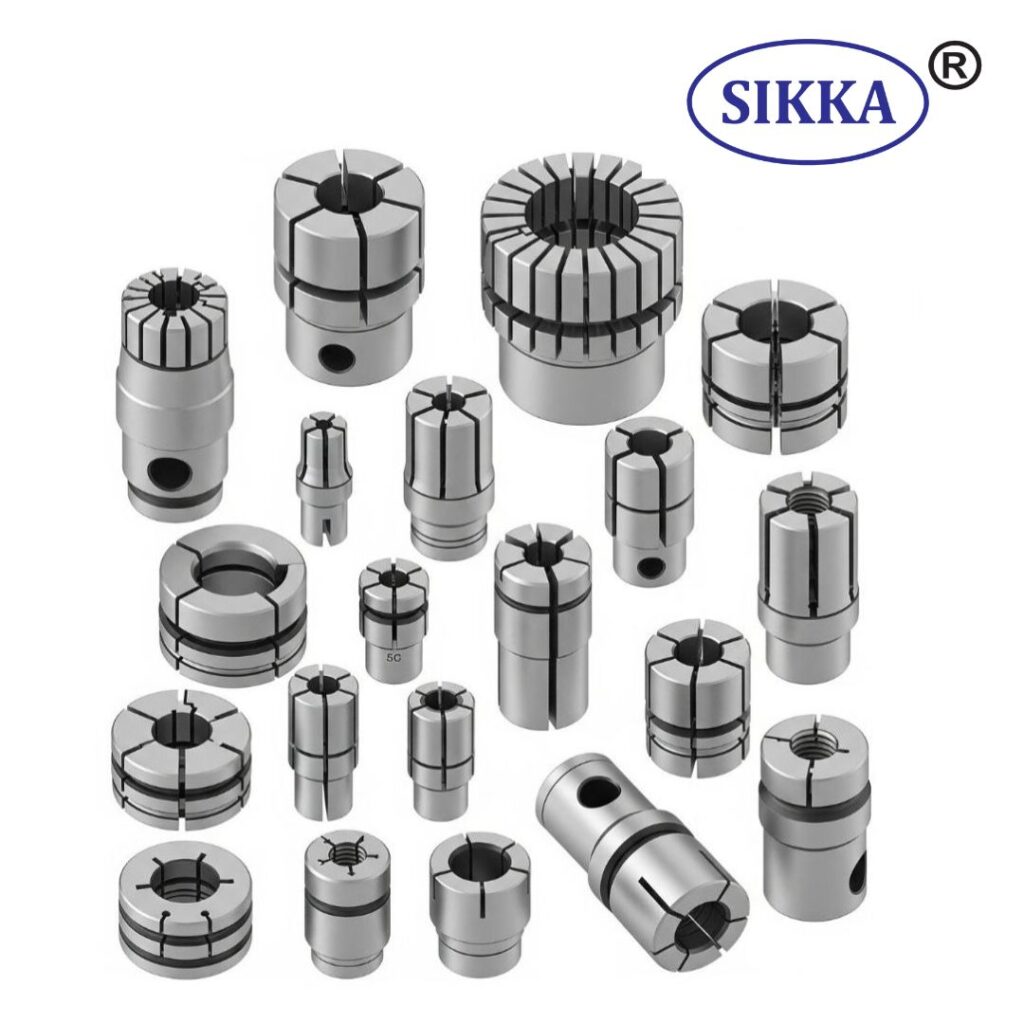
By implementing effective lubrication and cooling practices, you can significantly extend the life of your collets while maintaining consistent machining quality. This guide covers everything from handling and storage to lubrication, cooling, inspection, and rust prevention.
1. Handle Collets with Care
Collets are highly precise and can be easily damaged if mishandled. A small chip or dent can affect clamping accuracy and compromise the quality of your machining work. Always handle collets gently, avoiding accidental drops or collisions with hard surfaces.
Proper storage is also critical. Keep collets in a clean, dry container, away from dust, moisture, and extreme temperatures. For guidance on integrating collets efficiently into your machinery setup, refer to this CNC tool holding systems guide. Handling collets properly from the start reduces maintenance costs and prevents premature failures.
2. Choose the Right Lubrication
Lubrication is essential for reducing friction, preventing wear, and maintaining the concentricity of the collet. Selecting a cutting oil compatible with the machined material ensures smooth operations and protects the tool and workpiece. High-quality oils with rust-preventive properties are recommended for both operational use and long-term storage.
Lubrication also helps dissipate heat generated during cutting. Without proper lubrication, collets can experience thermal expansion, leading to poor clamping and dimensional inaccuracies. For heavy-duty applications, using heavy-duty collets for turning machines alongside proper lubrication ensures optimal performance and longevity.
3. Ensure Proper Cooling Flow
During machining, excessive heat can distort the collet, reduce tool grip, and accelerate wear. Cooling is just as important as lubrication in maintaining collet performance. Use an abundant flow of filtered cutting oil or coolant to carry heat away efficiently. Contaminated coolant or debris can damage collets and reduce part quality.
High-precision operations often rely on precision ER collet sets, which are engineered to withstand elevated temperatures when combined with correct coolant practices. Consistent coolant flow also minimizes thermal distortion, which helps in producing high-quality, dimensionally accurate components.
4. Regular Cleaning and Inspection
Accumulated debris, chips, or oil can compromise collet performance over time. Regular cleaning ensures smooth clamping surfaces and prevents premature wear. Use a soft brush or lint-free cloth to remove particles and inspect the collet for scratches, rust, or dents.
During inspections, pay close attention to the cone and clamping diameters, as any imperfection can affect machining accuracy. Establishing a routine inspection schedule not only improves tool life but also reduces downtime caused by unexpected failures. For guidance on selecting the most suitable collet for specific applications, consult choosing the right collet guide.
5. Prevent Rust and Corrosion
Rust is one of the most common threats to collets, especially when stored in humid environments. When not in use, coat collets with rust-preventive oils or wrap them in VPI/VCI paper. This simple step protects the seating areas and ensures long-term accuracy.
Even minor rust formation can affect concentricity, leading to vibration, poor surface finish, and tool failure. Investing a few minutes in rust prevention can save significant time and costs associated with collet replacement.
6. Understand Wear Patterns and Troubleshooting
Collets experience wear primarily due to friction, debris, improper lubrication, or high heat. Common signs of wear include:
- Reduced clamping force
- Irregular surface finish on the workpiece
- Difficulty in tool insertion or removal
- Vibration or chatter during machining
When you detect these signs, inspect the collet thoroughly. Replace worn collets promptly to maintain machining accuracy. Documenting wear patterns can also help identify recurring issues and improve maintenance schedules.
7. Benefits of Proper Lubrication and Cooling
Adopting proper lubrication and cooling practices provides multiple benefits:
- Extended collet life: Reduces wear and tear, saving on replacement costs
- Improved machining accuracy: Maintains concentricity and prevents vibration
- Reduced downtime: Fewer breakdowns and smoother operations
- Enhanced workpiece quality: Better surface finish and dimensional accuracy
- Cost savings: Minimizes scrap material and tool replacements
Final Thoughts
Lubrication and cooling are not just maintenance steps—they are essential for achieving longer collet life, improved machining precision, and operational efficiency. By handling collets carefully, using the right lubricants and coolants, performing regular cleaning, and preventing rust, you can avoid premature failures and maintain high-quality output.
Investing in high-quality collets and following proper maintenance practices ensures your machining operations remain reliable, efficient, and cost-effective. For best results, integrate these practices into your workshop routine and consider consulting experienced suppliers to optimize your setup.