

How Small Businesses Get Approved for Merchant Accounts
Want to get paid like the big players? If you’re running a small business, startup, or even a side hustle, the ability to accept debit and credit card payments isn’t just a nice-to-have—it’s survival. And that’s where merchant accounts come in.
But here’s the catch: getting approved for one isn’t always as straightforward as swiping a card. Banks and providers want to know that you’re legit, that you’re not high-risk, and that you won’t rack up chargebacks like it’s a sport.
Don’t stress, though. This article is your step-by-step playbook on how small businesses can get approved for merchant accounts, dodge common pitfalls, and start ringing up those “cha-ching” moments with confidence.
What Is a Merchant Account (and Why Should You Care)?
Think of a merchant account as your digital cash register with superpowers. It’s a type of bank account that allows your business to accept credit card, debit card, and even some alternative payment methods.
Without a merchant account, your payment process might look like a clunky workaround. With one, it’s seamless, trustworthy, and customer-friendly.
Merchant Account vs. Payment Gateway vs. Processor:
- Merchant Account = Where funds temporarily sit before hitting your business bank account.
- Payment Gateway = The secure technology that captures and transfers payment data (think Stripe, PayPal).
- Payment Processor = The middleman that communicates between banks, networks, and gateways.
👉 Together, they form the holy trinity of modern payments.
Why Small Businesses Need Merchant Accounts
Still wondering why you can’t just stick with cash or rely on PayPal? Here’s why merchant accounts are worth the effort:
- Boost Sales & Conversions – More payment options = fewer abandoned carts.
- Build Customer Trust – Shoppers feel safer handing over card info to businesses with proper setups.
- Professional Image – It signals you’re serious, not a side hustle flying under the radar.
- Global Reach – Accept payments across currencies and borders.
- Better Cash Flow – Faster access to funds compared to other platforms.
💡 Bottom line: Merchant accounts aren’t just for “big dogs.” Small businesses need them just as much—if not more.
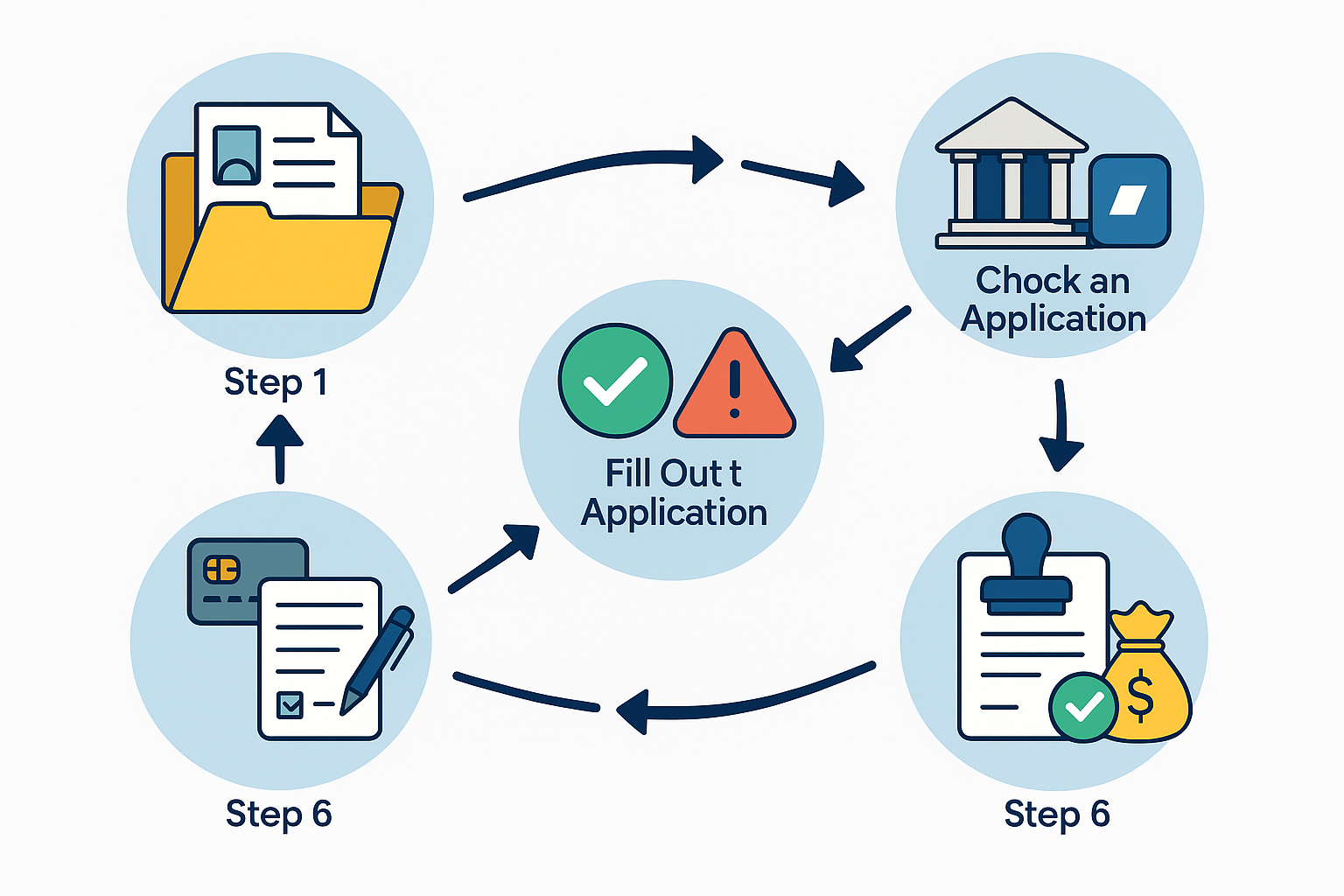
Step-by-Step Process of Getting Approved for Merchant Accounts
This is where the rubber meets the road. Approval can feel intimidating, but if you follow these steps, you’ll breeze through like a pro.
1. Prep Your Business Documents
Before you apply, have these ready:
- Business license or registration documents
- Tax ID (EIN or equivalent)
- Voided business check or bank account details
- Financial statements (if available)
- Website with clear policies (refunds, terms, etc.)
👉 Pro tip: If your paperwork looks sloppy, your approval chances plummet.
2. Choose the Right Merchant Account Provider
Not all providers are created equal. Consider:
- Banks vs. Independent Providers – Banks offer stability, while independent players often approve riskier businesses.
- Fees – Transaction fees, monthly fees, setup fees.
- Customer Support – When payments fail, you need quick help.
- Tech Compatibility – Does it integrate with your POS or e-commerce platform?
3. Understand Risk Profiles
Providers categorize businesses as low-risk or high-risk.
- Low-Risk Examples: Local retail shops, cafes, standard e-commerce.
- High-Risk Examples: Travel agencies, CBD shops, subscription services.
👉 The higher the risk, the more scrutiny (and fees) you’ll face.
4. Fill Out the Application (Without Screwing It Up)
This is where many small business owners trip up. Common mistakes include:
- Inconsistent business details across documents
- Poorly designed or incomplete websites
- Hiding financial red flags
Be transparent and accurate. Providers would rather approve an honest business with weak credit than a shady applicant trying to look squeaky clean.
5. Review, Underwriting & Approval
This is the waiting game. Underwriters will:
- Check your credit score
- Review your business model
- Look for chargeback risks
- Evaluate your website and compliance policies
Approval can take anywhere from 24 hours to a couple of weeks.
6. Go Live & Start Accepting Payments
Once approved, you’ll:
- Integrate your merchant account with your POS system or online store
- Run test transactions
- Train your staff (if needed)
Congratulations—you’re now ready to accept payments like a pro. 🎉
Common Roadblocks (and How to Dodge Them Like a Pro)
Let’s be real: approval isn’t always smooth sailing. Here’s what could trip you up:
- High Fees or Hidden Costs – Always read the fine print.
- Poor Credit Score – May slow approval but doesn’t mean rejection.
- Industry Risk – Some industries (travel, CBD, gambling) face stricter reviews.
- Chargeback Concerns – Too many refunds = red flag.
💡 Workaround: Improve your online presence, maintain clean finances, and pick providers with experience handling small businesses.
Tips to Boost Your Chances of Approval
Want to stack the deck in your favor? Try these hacks:
- Keep business bank accounts separate from personal accounts.
- Be upfront about your business type, even if high-risk.
- Reduce chargeback risks by having clear refund policies.
- Build a professional website with SSL, privacy policy, and T&Cs.
- Choose providers who specialize in merchant accounts for small businesses.
👉 Think of it like applying for a loan: credibility matters more than flash.
Merchant Account Alternatives (When You’re Not Ready Yet)
If approval feels like climbing Everest, consider these stepping stones:
- PayPal – Easy to set up but higher fees.
- Stripe – Great for e-commerce and subscriptions.
- Square – Ideal for in-person and online payments.
These are aggregator accounts, meaning your business is bundled with others. They’re easier to get but don’t offer the same control and stability as dedicated merchant accounts.
Future of Merchant Accounts for Small Businesses
The payment landscape is changing fast. Here’s what’s coming down the pipe:
- Contactless Payments – Tap-and-go is here to stay.
- Biometrics – Face or fingerprint transactions.
- AI & Machine Learning – Smarter fraud detection.
- Blockchain – More secure cross-border transactions.
👉 Translation? Merchant accounts aren’t going anywhere—they’re just getting cooler.
Conclusion: Time to Get Approved & Get Paid
If you’re serious about growing your small business, a merchant account isn’t optional—it’s essential.
The process might seem like a bureaucratic nightmare, but once you understand the steps, it’s surprisingly straightforward: prep your docs, pick the right provider, avoid rookie mistakes, and you’re on your way.
So stop waiting. Your competitors are already swiping cards and cashing in. Get your merchant account approved, start accepting payments, and let the cha-ching moments roll. 💳💰
Bonus: Merchant Accounts FAQ
Q: Do I need a merchant account to accept payments online?
Yes—unless you’re using third-party processors like PayPal or Stripe.
Q: How long does approval take?
Anywhere from 24 hours to two weeks, depending on your provider and business risk profile.
Q: Can I get approved with bad credit?
Yes, but expect stricter terms and higher fees.
Q: What’s the difference between merchant accounts and payment gateways?
Merchant accounts hold funds temporarily, while gateways securely transmit payment info.

ronyhughes8588
Passionate about finance and technology, the author focuses on helping businesses navigate digital payment solutions with ease. With expertise in SEO, fintech, and entrepreneurship, their work simplifies complex financial concepts so entrepreneurs can make confident decisions. By sharing insights on topics like a merchant account, payment systems, and fintech innovations, they empower businesses to grow securely while building lasting trust with customers in today’s competitive digital economy.