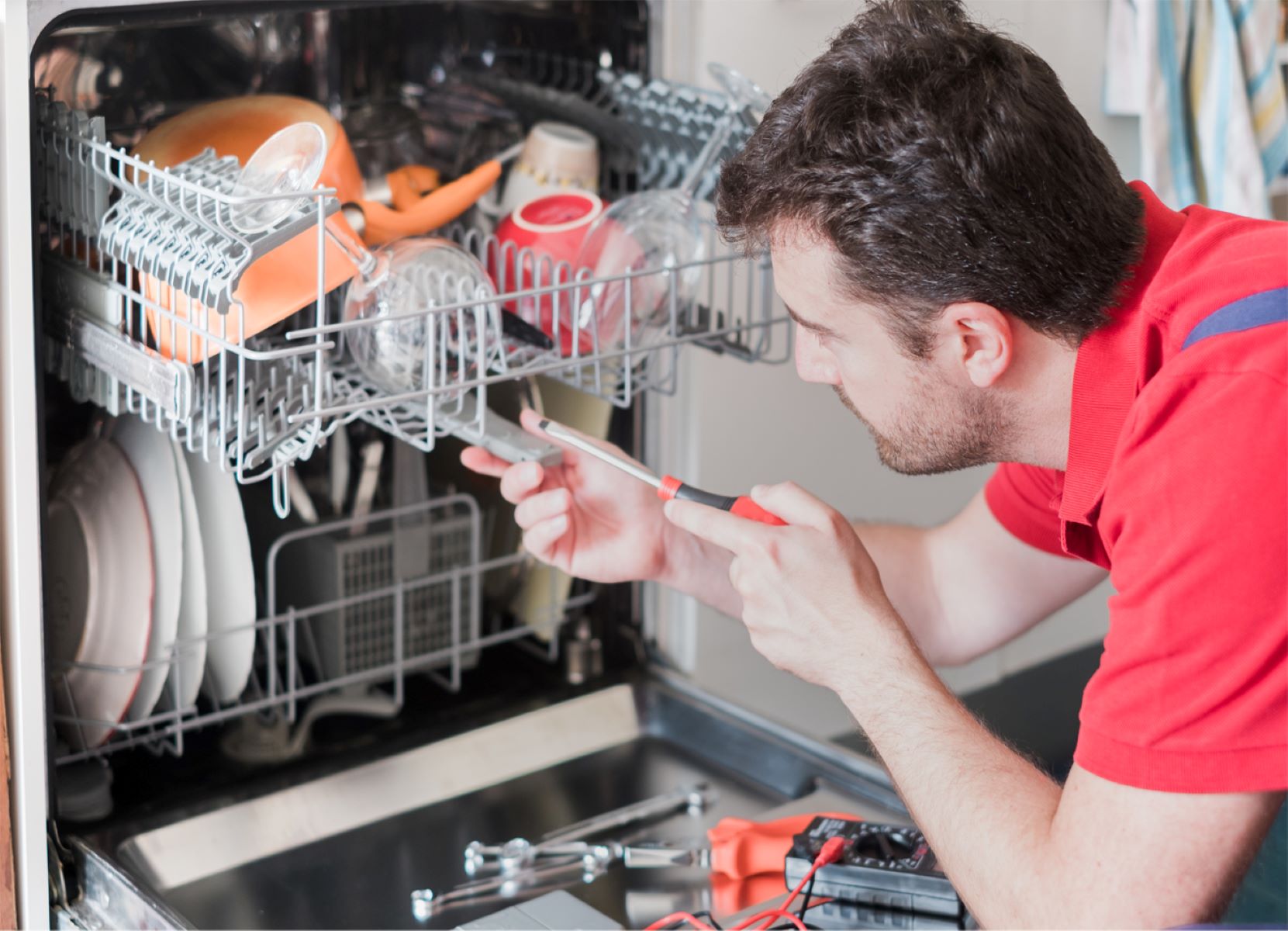
How to Fix Your Dishwasher Without Calling a Technician
Is your dishwasher acting up and leaving you frustrated with dirty dishes? Before you spend money on professional repairs, you might be surprised to learn that many dishwasher issues can be resolved with simple DIY solutions that require no special skills or expensive tools.
Understanding your dishwasher’s basic functions and common problems empowers you to tackle minor repairs confidently. Most homeowners can successfully troubleshoot and fix typical dishwasher malfunctions using household items and a little patience.
What Causes Most Dishwasher Malfunctions?
Dishwashers face three primary types of problems: drainage issues, cleaning performance problems, and mechanical malfunctions. Each category has distinct symptoms that point toward specific solutions, making Dishwasher repairing essential for restoring full function.
Drainage Troubles When water pools at the bottom of your dishwasher after a cycle, you’re dealing with a drainage problem. This standing water creates unpleasant smells and prevents your appliance from cleaning effectively. The most common culprits include food debris blocking the drain filter, kinked drain hoses, or issues with connected garbage disposals.
Poor Cleaning Results If dishes emerge from a complete wash cycle still bearing food residue or water spots, several factors might be at play. Inadequate water temperature, clogged spray mechanisms, improper dish arrangement, or using incorrect detergent types can all compromise cleaning performance.
Unusual Operating Sounds Strange noises during operation signal mechanical issues that need attention. Grinding sounds typically indicate foreign objects trapped in the pump area, while rattling suggests loose items bouncing around inside the machine.
Essential DIY Repair Techniques That Actually Work
Filter Maintenance Made Simple Your dishwasher’s filter system captures food particles and prevents them from recirculating onto clean dishes. Located at the bottom of the wash tub, this cylindrical component requires regular attention to maintain optimal performance.
Remove the bottom dish rack to access the filter easily. Most filters twist out counterclockwise, though some models use a lift-out design. Rinse the filter thoroughly under hot water, using an old toothbrush to scrub away stubborn debris and grease buildup.
Spray Arm Revival Techniques Clogged spray arms can’t distribute water effectively throughout the wash chamber. These rotating components have small holes that frequently become blocked with food particles, mineral deposits, or soap residue.
Lift out the lower spray arm after removing the dish rack. Upper arms might require unscrewing or lifting out, depending on your model. Inspect each hole carefully, using a toothpick or thin wire to clear any blockages. Rinse thoroughly under running water to ensure all passages flow freely.
Door Seal Inspection and Care Rubber door seals prevent water leaks during operation but accumulate dirt and debris over time. Damaged or dirty seals can cause water to escape onto your kitchen floor during wash cycles.
Clean seals regularly with a damp cloth, removing food particles and soap buildup from all crevices. Check for cracks, tears, or warped areas that might compromise the seal’s effectiveness. Apply a small amount of petroleum jelly occasionally to keep rubber components flexible.
Advanced Troubleshooting for Persistent Problems
Water Temperature Optimization Proper water temperature is crucial for effective dishwashing. Your dishwasher needs water heated to at least 120°F (49°C) to activate detergents properly and dissolve grease effectively.
Test water temperature at your kitchen sink before starting the dishwasher. Run hot water until it reaches full temperature, ensuring your appliance receives hot water immediately upon startup. If water doesn’t get hot enough, adjust your water heater settings or consult a plumber.
Strategic Loading for Better Results How you arrange dishes significantly impacts cleaning performance. Overcrowded racks prevent water from reaching all surfaces, while improper positioning blocks spray patterns from doing their job effectively.
Position dishes so spray arms can reach all soiled surfaces. Face dirty sides toward the center where water pressure is strongest. Avoid nesting bowls or stacking plates too closely together, as this prevents proper water circulation.
Addressing Hard Water Challenges Mineral-rich water leaves deposits on dishes and internal components, reducing cleaning effectiveness over time. These deposits appear as white spots on glassware and can clog spray arm holes.
Use rinse aid to help water sheet off dishes more effectively, reducing spot formation. Consider installing a water softener system if hard water problems persist. Clean mineral deposits regularly using dishwasher-specific descaling products.
When Professional Help Becomes Necessary
Electrical Issues Require Expert Attention Dishwashers combine water and electricity, making electrical repairs potentially dangerous for untrained individuals. Control panel failures, motor malfunctions, and wiring problems need professional diagnosis and repair.
If your dishwasher won’t power on, check the circuit breaker first. A tripped breaker is easily reset, but recurring trips indicate a more serious electrical problem requiring professional evaluation.
Complex Mechanical Repairs Water pumps and motors are sophisticated components that require specialized tools and expertise to repair properly. Attempting these repairs without proper knowledge can cause expensive damage to your appliance.
Continuous grinding noises or complete lack of water circulation often indicate pump problems. These symptoms typically require professional diagnosis to determine whether repair or replacement is the most cost-effective solution.
Comprehensive FAQ Guide for Dishwasher Repairs
What should I do when my dishwasher won’t start at all? First, ensure the door is completely closed and latched properly. Check that the power cord is plugged in securely and examine the circuit breaker for any trips. Verify that the control panel settings are correct and try selecting a different wash cycle to rule out control issues.
Why does my dishwasher leave white spots on glassware? White spots typically result from hard water minerals or inadequate rinse aid. Fill the rinse aid dispenser if it’s empty, and consider using a water softener if you have very hard water. Check that you’re using the correct amount of detergent, as too much can also cause spotting.
How often should I clean my dishwasher’s filter? Clean the filter every 2-4 weeks, depending on usage frequency and the types of dishes you wash. Homes that frequently wash heavily soiled items might need weekly cleaning, while light users can extend the interval to monthly maintenance.
What causes my dishwasher to smell bad? Unpleasant odors usually stem from food particles trapped in the filter, spray arms, or drain areas. Clean these components thoroughly and run an empty cycle with dishwasher cleaner or white vinegar to eliminate odor-causing bacteria.
Is it normal for some water to remain in the dishwasher after a cycle? A small amount of water in the sump area is normal and helps keep seals moist. However, standing water covering the bottom of the tub indicates a drainage problem that needs attention.
Can I use regular dish soap in my dishwasher? Never use regular dish soap in dishwashers, as it creates excessive suds that can cause leaks and damage components. Only use detergents specifically formulated for automatic dishwashers.
Why won’t my dishwasher fill with water? Check that the water supply valve under the sink is fully open. Examine the door latch to ensure it’s engaging properly, as dishwashers won’t fill unless the door is securely closed. If these checks don’t resolve the issue, the water inlet valve might need professional attention.
Preventive Maintenance for Long-Term Performance
Monthly Cleaning Routines Establish a monthly cleaning schedule to prevent buildup that causes operational problems. Run an empty cycle with dishwasher cleaner or two cups of white vinegar to remove soap residue and mineral deposits from internal components.
Leave the door slightly open after cycles to promote air circulation and prevent mold growth inside the wash chamber. This simple habit significantly reduces odor problems and extends your appliance’s lifespan.
Smart Usage Habits Scrape dishes before loading but avoid pre-rinsing completely, as modern dishwashers and detergents are designed to handle food particles effectively. Pre-rinsing can actually reduce cleaning performance by removing enzymes that help break down food residue.
Use appropriate amounts of detergent and rinse aid products. Too little won’t clean effectively, while too much creates problems with excessive suds and residue buildup.
Making Informed Repair Decisions
Cost-Benefit Analysis Consider your dishwasher’s age, repair history, and overall condition when deciding between DIY fixes and professional service. Appliances over eight years old with multiple previous repairs might be candidates for replacement rather than continued investment in repairs.
DIY Safety Guidelines Always disconnect power before attempting any repairs involving electrical components. Work methodically and keep track of how components fit together for proper reassembly. When in doubt, consult your owner’s manual or contact professional repair services.
Most dishwasher problems respond well to simple maintenance and basic troubleshooting techniques. Start with the easiest solutions like cleaning filters and spray arms before considering more complex repairs. Regular maintenance prevents most common issues and keeps your dishwasher operating efficiently for years.
Remember that some problems require professional expertise, particularly those involving electrical components or major mechanical repairs. Knowing your limits and calling qualified technicians when necessary prevents costly mistakes and ensures safe, lasting solutions for your appliance troubles.