PRP Therapy for Hair Loss: Myths vs. Facts
Hair loss is a common issue affecting both men and women. With the rise of PRP (Platelet-Rich Plasma) therapy as a non-surgical solution for hair restoration, misinformation has also increased. This article separates myths from facts to help you make informed decisions about PRP hair treatment.
What is PRP Hair Restoration?
PRP hair restoration is a non-invasive treatment that uses your body’s own healing properties to stimulate hair growth. A small amount of blood is drawn and processed to extract platelet-rich plasma. When injected into the scalp, PRP revitalizes hair follicles, improves blood circulation, and enhances hair density.
PRF (Platelet-Rich Fibrin) is a similar treatment with higher concentrations of growth factors, offering longer-lasting results and enhanced follicle stimulation compared to standard PRP therapy.
Common Myths vs. Facts About PRP Therapy
Myth 1: PRP is a Miracle Cure for Baldness
Fact: PRP therapy improves the health of existing hair follicles and promotes thickness but does not create new follicles in bald areas. It is most effective for early-stage hair loss and thinning hair.
Myth 2: PRP Therapy is Painful or Risky
Fact: The procedure is minimally invasive, and most patients feel only slight pinprick sensations. A numbing agent can be used for comfort. Side effects are usually mild, such as temporary redness or swelling.
Myth 3: PRP Doesn’t Work
Fact: Clinical studies and patient experiences show that PRP can significantly enhance hair thickness and density, especially when combined with other hair restoration methods.
Myth 4: PRP Provides Instant Results
Fact: Hair growth is gradual. Visible improvements typically appear 3–6 months after consistent treatments, with optimal results around 6–12 months. A series of 3–4 sessions spaced 4–6 weeks apart is recommended, followed by maintenance sessions.
Myth 5: PRP is Only for Men
Fact: PRP therapy is effective for both men and women. Women experiencing hormonal hair thinning, postpartum shedding, or stress-related hair loss can benefit greatly from PRP therapy.
Myth 6: PRP is Expensive and Not Worth It
Fact: PRP is often more cost-effective than ongoing hair medications or hair transplants. The long-term benefits of improved hair health and reduced hair fall make it a worthwhile investment.
How PRP Complements Other Treatments
PRP therapy works best when combined with other scalp and hair treatments. For example, targeted temple hair loss treatments can enhance results in areas prone to thinning. Additionally, maintaining a healthy scalp with skin tightening or rejuvenation procedures can improve follicle nutrition and hair growth potential.
Expert Guidance in Roorkee
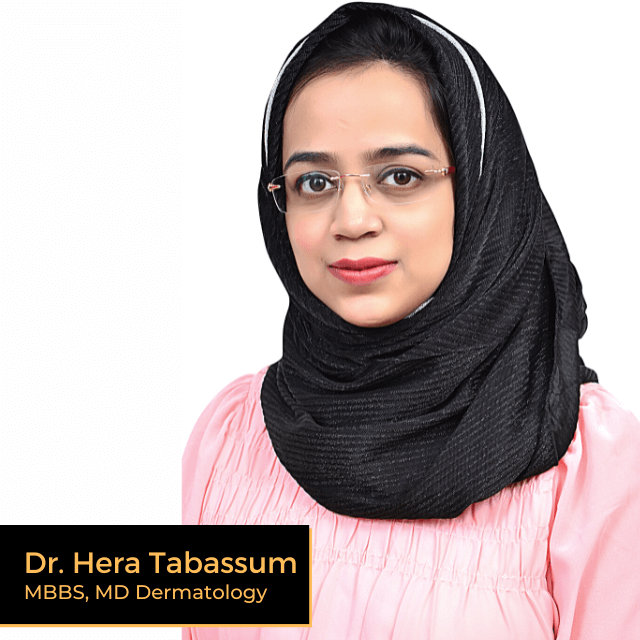
Dr Hera Tabassum is one of the top dermatologists in Roorkee specializing in hair, skin, and nail disorders. She treats hair loss, acne, fungal infections, eczema, and vitiligo. Under her expert supervision, PRP therapy is tailored for each patient, ensuring safe, effective, and natural hair restoration. Patients benefit from personalized plans that combine diet, lifestyle changes, and targeted therapies for optimal results.
Preparing for PRP Therapy
- Consultation: Understand the procedure, expected outcomes, and necessary sessions.
- Lifestyle Adjustments: Avoid smoking and maintain a balanced diet rich in protein, vitamins, and minerals.
- Follow-Up Care: Attend scheduled maintenance sessions and follow hair care recommendations.
Conclusion
PRP therapy is a safe and effective method to combat hair thinning and early-stage hair loss. By separating myths from facts, patients can make informed choices. Combined with expert guidance, complementary treatments, and a healthy lifestyle, PRP offers a natural, long-term solution for stronger, thicker hair.
For expert consultation, schedule an appointment with Dr Hera Tabassum, a trusted skin specialist in Roorkee, and take the first step towards healthier, fuller hair.