

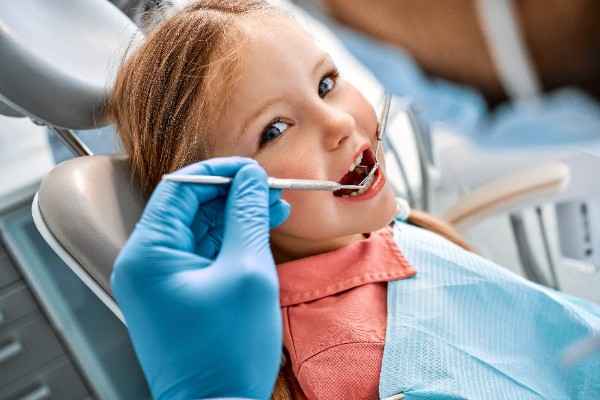
When Your Child Complains of Tooth Pain After School in Newcastle
As a parent, few things are more worrying than your child coming home from school complaining of tooth pain. Whether it’s a mild ache or something more severe, any discomfort can disrupt their routine, affect their concentration in class, and cause emotional stress—for both of you. Understanding what might be going on, knowing how to respond, and being aware of professional resources available in Newcastle can make all the difference in how quickly your child recovers.
In this guide, we’ll walk through the most common causes of tooth pain in children, at-home remedies, when to seek urgent care, and who you can turn to in Newcastle for help.
Common Reasons Kids Experience Tooth Pain After School
Tooth pain in children can arise suddenly or gradually and stem from various causes—some minor, others more serious. Here are some of the most common reasons:
1. Cavities and Tooth Decay
Cavities are one of the leading causes of toothache in children. At school, children often have access to sugary snacks or drinks that can worsen tooth decay. A cavity can lead to sharp or throbbing pain, particularly after eating or drinking hot, cold, or sweet items.
2. Loose or Erupting Teeth
Younger children losing their baby teeth or getting their permanent ones may feel discomfort. Although natural, this can still be distressing, especially when it coincides with activities like eating or brushing.
3. Gum Infections or Swelling
Red, swollen, or bleeding gums may indicate gingivitis or other infections, especially if oral hygiene is lacking. This type of pain may persist and could be aggravated by chewing or brushing.
4. Dental Trauma
Playground accidents or falls during sports or physical activity at school can result in cracked, chipped, or dislodged teeth. If your child comes home complaining of pain and mentions a recent bump to the mouth, dental trauma may be the culprit.
5. Tooth Grinding or Clenching (Bruxism)
Some children grind their teeth due to stress, anxiety, or even during sleep. This constant pressure can wear down enamel and cause pain, particularly after a long day at school.
6. Food Particles Stuck Between Teeth
Sometimes, pain arises from something as simple as food stuck between teeth, especially if it irritates the gums. This pain is often localized and resolves quickly with flossing or brushing.
What to Do Immediately When Your Child Complains
It’s important not to panic, especially if this is a first-time complaint. Start by asking a few questions to gauge the severity:
- When did the pain start?
- Is it constant or does it come and go?
- Is there swelling, redness, or a visible injury?
- Does it hurt more with hot/cold food or drinks?
- Has the child experienced any falls or injuries today?
At-Home First Aid for Tooth Pain
While you wait to see a dentist or determine the cause, here are a few simple at-home remedies that may provide some relief:
- Rinse with warm salt water to reduce bacteria and inflammation.
- Use a cold compress on the cheek if swelling is present.
- Offer a child-safe pain reliever, such as paracetamol or ibuprofen, but only as a temporary measure and according to dosage instructions.
- Avoid hot, cold, or sugary foods and drinks until the issue is resolved.
- Gently floss between the teeth to remove possible food particles.
When to Seek Professional Help
While mild or temporary discomfort may not require immediate attention, there are clear signs that indicate the need for professional dental care:
- Persistent pain lasting more than 24 hours
- Swelling in the gums or face
- Fever or signs of infection
- A cracked, chipped, or knocked-out tooth
- Bleeding gums or loose permanent teeth
In such cases, you may need to schedule a same-day visit with an emergency dentist in Newcastle. Emergency dental professionals are equipped to handle urgent issues ranging from trauma and severe decay to infections and abscesses. Timely care can prevent complications and relieve your child’s discomfort faster.
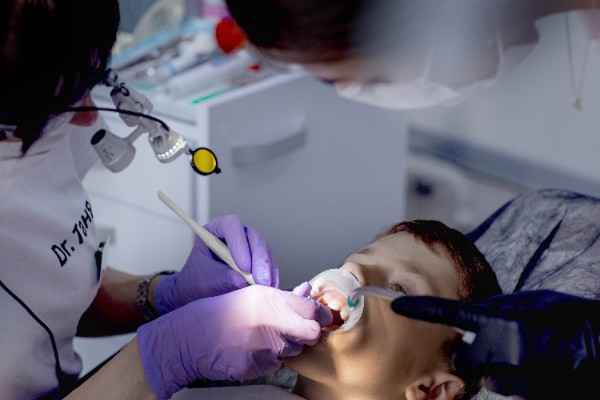
Importance of Preventative Care and Routine Cleaning
Many cases of tooth pain are preventable with regular oral hygiene and professional check-ups. One overlooked but essential part of dental care is seeing a dental hygienist. A qualified Hygienist in Newcastle can provide thorough cleanings, educate your child on proper brushing techniques, and identify early signs of trouble before they become serious.
What Does a Hygienist Do for Children?
- Removes plaque and tartar build-up
- Provides fluoride treatments
- Applies dental sealants to prevent cavities
- Teaches proper flossing and brushing techniques
- Advises on diet and habits that affect dental health
Getting your child into a routine of visiting a hygienist every six months can help them maintain healthier teeth and reduce future visits to the emergency dentist.
Talking to Your Child About Dental Health
Children may not always articulate what they’re feeling, so it’s helpful to encourage open communication about their health. Make dental care a regular topic of discussion, without inducing fear. You can:
- Use fun educational videos or apps to teach brushing and flossing
- Reward consistent brushing with small incentives
- Show enthusiasm about dental visits so they feel positive too
- Lead by example children are more likely to adopt good habits if they see you doing the same
What Schools and Parents Can Do Together
To reduce the likelihood of dental issues after school, schools and parents should work together to promote better habits.
- Healthy snack policies at school can minimize sugar intake
- Oral health education programs can empower children to take care of their teeth
- Communication channels between school staff and parents can ensure prompt reporting of any dental injuries or accidents
If your child participates in contact sports, don’t forget the importance of custom mouthguards to prevent trauma.
Building a Dental Emergency Kit for Home and School
Having a small kit ready for dental emergencies can make a difference, especially if your child suffers a cracked or knocked-out tooth. Your kit can include items recommended by an emergency dentist in Newcastle to help manage the situation until professional care is available.
- Sterile gauze
- Saline solution or salt packets
- A small container with a lid (to store a knocked-out tooth)
- Cold compress packsa
- Pain reliever (age-appropriate)
- The contact number of an emergency dentist
This way, you’ll be prepared whether the issue arises at home or your child needs help from school staff.
Conclusion
Tooth pain after school is never fun for your child or for you. But knowing what to look for, how to manage symptoms, and where to turn for help in Newcastle can ease both your minds. Whether it’s something as routine as a loose tooth or a more urgent problem like dental trauma or infection, fast action and expert care can make a big difference. Preventative measures, such as regular cleanings with a hygienist, also play a vital role in long-term dental health.
For reliable support and access to trusted dental professionals, turn to EDA Group, your partner in ensuring your child’s smile stays healthy and bright.