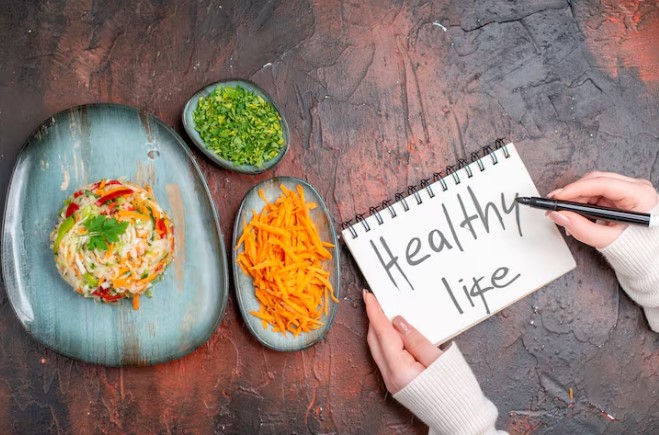
Meal Planning for Kidney Disease: 5 Simple, Nourishing Meals Anyone Can Make
Let’s be real for a second. If you’ve just been told you have kidney disease, or maybe you’ve been managing it for a while, you already know that food suddenly feels like a test you didn’t study for. You walk into your kitchen, open the fridge, and think, “Can I even eat any of this?”
That moment? Yeah, it’s tough. Confusing. Maybe even scary. I’ve sat with people in that same space, confused, frustrated, a little overwhelmed, and I want you to know something upfront: you are not alone, and eating well for your kidneys does not mean you’re stuck with bland, boring meals. Not even close.
Nourish 2 Rise helped people just like you rebuild their plate, and their confidence, one meal at a time. No magic tricks. No fancy ingredients. Just real food, real care, and a deep respect for your body and what it needs right now.
So if you’re tired of Googling every ingredient or silently grieving your favorite dishes, stick with me here. Let’s walk through a handful of meals that are good for your kidneys and taste good, too. No fluff. Just food that works.
Where Do We Even Start?
The moment someone tells you that you need a “kidney-friendly diet,” your brain might freeze. Like, okay… what even is that?
Here’s the short version:
- You’re trying to ease the load on your kidneys.
- That means watching your sodium, potassium, phosphorus, and protein intake.
- You don’t have to cut everything out. You just need to get a little more intentional.
Think of it like this: your kidneys are a little tired. Your job now is to help them work less hard while still fueling your body. That’s where meal planning comes in. Not to complicate your life, but to simplify it.
A Few Real-Life Meal Ideas
Now, instead of hitting you with “5 perfect kidney meals,” I’m just going to tell you about a few combinations that have worked well for folks I’ve supported. You don’t need perfection, you need something realistic, affordable, and maybe even… enjoyable?
1. The Comfort Bowl
Some days just call for something warm and soothing. When that happens, I like to recommend a grilled chicken breast (seasoned with rosemary, thyme, and garlic powder, no salt!) with a side of cauliflower mash.
Steam the cauliflower, mash it up with a little olive oil or unsalted butter, and season it with white pepper. It’s cozy, filling, and doesn’t push your potassium levels like mashed potatoes would.
Add a side of crisp cucumber and shredded lettuce with lemon juice and olive oil. Done.
2. The No-Stress Breakfast
Breakfast can be tricky when you’re trying to keep things low-phosphorus. But egg whites? Those are still fair game.
Scramble up 3 egg whites with chopped red bell pepper and zucchini. Add a slice of white toast with a tiny bit of approved spread. Pair it with apple slices or some blueberries if you’re feeling fancy. That’s it. It’s fast, it’s doable, and it gives you protein without overdoing it.
3. The Lazy Pasta Night
Look, we all have nights where cooking feels like too much. That’s where pasta primavera comes in.
Boil some white pasta (nothing whole wheat, trust me, it’s higher in phosphorus). Sauté some mushrooms, red bell pepper, and zucchini in olive oil. Season with garlic powder and dried basil. Toss it all together.
Skip the tomato sauce (potassium bomb), and instead drizzle olive oil and herbs for flavor. Add a little lemon zest if you’re feeling adventurous.
4. The Healing Soup
There’s something about soup that just feels like a hug in a bowl. Here’s one that’s easy on the kidneys and on your energy levels.
Take a small amount of chicken (thigh or breast), cook it in water with garlic, bay leaf, and a little thyme. Add carrots, celery (in moderation), and some cooked white rice. Let it simmer. Smells amazing, tastes even better.
No canned broth. Just real stuff. And honestly, it’s better that way.
5. The Stuffed Pepper Trick
Grab a red bell pepper, slice it in half, and take the seeds out. Cook up some ground turkey with garlic and onion powder (still skipping the salt), mix it with white rice, and spoon it into the pepper halves.
Bake at 375°F for about 20 minutes until it’s soft but still holds together. It looks like something you’d serve to the company, but it’s easy enough to make on a weeknight.
A Note on Ingredients
If you’re ever unsure about a specific food, don’t panic. Check labels. Rinse canned goods. Ask your dietitian. And remember: it’s not about getting it 100% perfect every time, it’s about making better choices more often than not.
And if you mess up? You’re human. That’s okay. Just try again with the next meal. Shame has no place on your plate.
Real Talk Before You Go
Kidney disease changes things. It’s okay to grieve that. But it doesn’t mean your life, or your meals, are over. There’s still room for joy, flavor, creativity, and comfort at your table.
Start small. Don’t try to change everything overnight. Pick one meal to try this week. Then next week. Keep a little notebook or use your phone to track what works for you. And when it gets hard (because let’s be honest, it will sometimes), just come back to the basics.
You don’t have to do this alone.
Nourish 2 Rise is not just handing you a food list and walking away. We’re in it with you. One meal, one day, one step at a time.
You deserve to feel good. You deserve to enjoy what you eat. And you deserve support that listens.
You’ve got this. Really.
Questions I Hear All the Time
Q: Can I still have fruit?
Yes, but stick to lower-potassium options, like apples, grapes, or blueberries. Bananas and oranges? Maybe not so much.
Q: What about dairy?
You don’t need to give it up entirely. Just go for smaller amounts, and avoid high-phosphorus options. Cream cheese or almond milk (watch the additives) can be good swaps.
Q: How do I make food taste good without salt?
Fresh herbs, lemon juice, vinegar, garlic, onion powder, and salt-free spice blends are game changers. Seriously, once you get used to it, you won’t miss the salt as much as you think.
Q: Can I eat out?
You can. It just takes a little planning. Ask for grilled options. Request no added salt. Avoid sauces unless you know what’s in them. Don’t be afraid to advocate for yourself.
Q: What should I drink?
Water is your best bet. Herbal teas, lemon water, or clear liquids without added potassium or phosphorus are generally safe. Avoid dark sodas and high-potassium juices.