

When Is It Time to Consult a Vascular Doctor for Vein Issues?
If you’re experiencing discomfort in your legs, visible veins, or swelling, you might be wondering: When is it time to consult a vascular doctor for vein issues? This is a vital question, especially when early intervention can prevent more serious complications. Vein problems can often go unnoticed or be dismissed as cosmetic, but ignoring the signs could lead to chronic conditions. Knowing when to seek help from a professional can make all the difference in your health outcomes.
This article discusses the symptoms that should prompt a visit to a vein treatment clinic, what to expect during the consultation, and why it matters to see the right specialist.
What Kind of Doctor Treats Varicose Veins?
The first step is knowing who to turn to. Many people ask, what kind of doctor treats varicose veins? The answer is a vascular doctor, also known as a vascular surgeon or phlebologist. These specialists are trained to diagnose and manage disorders of the vascular system—your arteries, veins, and lymphatic vessels.
Vascular doctors have advanced knowledge and experience in treating conditions like:
- Varicose veins
- Spider veins
- Deep vein thrombosis (DVT)
- Chronic venous insufficiency (CVI)
- Venous ulcers
At a vein treatment clinic, you’ll find vascular doctors who offer both surgical and minimally invasive treatments tailored to your needs.
Recognizing the Signs You Need a Vascular Doctor
Many people delay treatment because they think vein problems are just a cosmetic concern. While visible veins may be the first sign, the issue often runs deeper. Here are key symptoms that signal it’s time to book a consultation:
1. Persistent Leg Pain or Heaviness
If you experience aching, cramping, or a feeling of heaviness in your legs—especially after standing or sitting for long periods—it could be a sign of poor vein circulation. These symptoms may worsen at the end of the day or during hot weather.
2. Swelling in the Legs or Ankles
Frequent or unexplained swelling in the lower limbs is a red flag. It could indicate chronic venous insufficiency, where the veins can’t effectively pump blood back to the heart.
3. Visible Varicose or Spider Veins
Large, twisted, blue or purple veins are more than just a visual problem. Varicose veins can lead to pain, inflammation, and even bleeding. If you notice these veins becoming more prominent, consult a vein treatment clinic to assess the extent of the damage.
4. Skin Discoloration or Ulcers
Brownish or reddish discoloration around your ankles or the development of skin sores could mean that vein issues have progressed. Venous ulcers are painful and can become infected if untreated.
5. Numbness or Tingling
A tingling sensation in the legs or feet could signal nerve involvement or compromised blood flow—both require prompt evaluation by a vascular specialist.
Why Early Intervention Matters
Ignoring vein issues can lead to more serious health risks. Untreated varicose veins may develop into chronic venous insufficiency, which significantly affects your quality of life. Blood clots, particularly deep vein thrombosis (DVT), are another risk that can result from damaged veins.
When caught early, most vein conditions are highly treatable. Minimally invasive procedures available at a vein treatment clinic offer quick recovery, minimal discomfort, and long-lasting results.
What to Expect at a Vein Treatment Clinic
If you’ve never seen a vascular doctor before, here’s what your visit might include:
1. Initial Evaluation
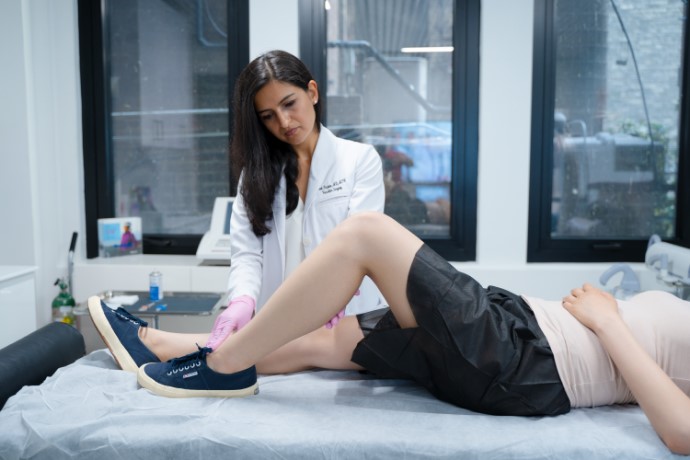
The doctor will begin by reviewing your symptoms, medical history, and lifestyle. They’ll ask about any pain, swelling, or visible veins.
2. Ultrasound Imaging
A Doppler ultrasound is typically used to assess blood flow in your veins. This non-invasive test helps identify areas of poor circulation, blood clots, or valve failure.
3. Diagnosis and Customized Treatment Plan
Based on the evaluation, your vascular doctor will diagnose the issue and recommend a personalized treatment plan. This may include:
- Sclerotherapy – A solution is injected into veins to close them off.
- Endovenous laser therapy (EVLT) – Laser energy is used to seal damaged veins.
- Radiofrequency ablation (RFA) – A similar technique using heat to collapse problematic veins.
- Microphlebectomy – Small varicose veins are removed through tiny incisions.
When to Consult a Vein Treatment Clinic Proactively
Don’t wait until symptoms are severe. You should consider visiting a vein treatment clinic proactively if you:
- Have a family history of vein disorders
- Work in an occupation that requires prolonged standing or sitting
- Are pregnant or have been pregnant multiple times
- Are overweight or obese
- Have experienced leg trauma or surgery
- Are over age 50
Even if your symptoms are mild, an evaluation can rule out hidden conditions and prevent future complications.
Insurance and Vein Treatments: What You Should Know
A common concern among patients is whether vein treatments are covered by insurance. The good news is that medically necessary treatments—such as for varicose veins causing pain or swelling—are often covered. Cosmetic procedures (like spider vein removal) may not be.
Most vein treatment clinics help patients with insurance verification and pre-authorization. Don’t let financial concerns stop you from getting the care you need.
How Lifestyle Affects Your Vein Health
While genetics play a major role, your lifestyle can also affect your vascular health. Vascular doctors often recommend the following to manage symptoms and slow the progression of vein disease:
- Exercise regularly (especially walking)
- Elevate your legs periodically throughout the day
- Wear compression stockings
- Avoid sitting or standing too long
- Maintain a healthy weight
These measures won’t cure vein conditions but can significantly improve comfort and prevent worsening.
Choosing the Right Vein Treatment Clinic
When selecting a vein treatment clinic, look for:
- Board-certified vascular specialists or phlebologists
- On-site diagnostic tools (like duplex ultrasound)
- A range of minimally invasive treatment options
- Good patient reviews and testimonials
- Assistance with insurance claims and scheduling
Make sure the clinic prioritizes patient education and offers long-term support.
Conclusion: Don’t Wait—Your Vein Health Matters
Vein conditions may start as a cosmetic concern, but they often point to deeper issues with circulation and vascular health. By recognizing the signs early and knowing what kind of doctor treats varicose veins, you can take proactive steps toward comfort and long-term wellness.
A vein treatment clinic can provide the specialized care you need—whether you’re dealing with painful varicose veins, chronic swelling, or early signs of vein disease. Don’t wait for complications to arise. If your legs are telling you something’s wrong, it’s time to listen and take action.