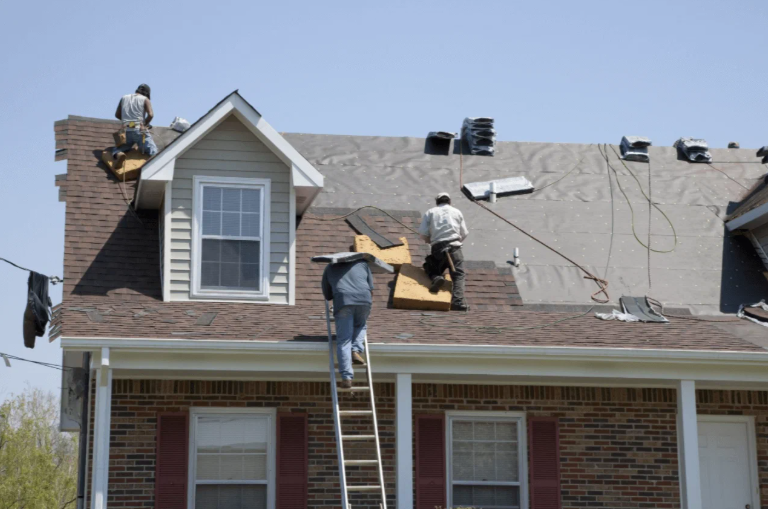
How Often Should You Inspect Your Residential Roof?
When it comes to protecting your home, your roof is your first line of defense. It shields you from the elements, insulates your living space, and plays a major role in your property’s curb appeal. But despite its importance, many homeowners overlook regular roof inspections—often waiting until there’s visible damage or a costly leak to take action.
So, how often should you inspect your residential roof? The short answer: at least twice a year, and after major storms. But as with most things in home maintenance, there’s more to the story.
In this comprehensive guide, we’ll break down how frequently you should check your roof, why it matters, what to look for, and how trusted experts like Burton Roofing can help you extend your roof’s lifespan with professional insights.
Why Roof Inspections Matter
Before we dive into timing, let’s talk about why roof inspections are important.
Your roof endures constant wear and tear from sun, wind, rain, snow, and everything in between. Over time, this exposure can lead to:
- Shingle damage or loss
- Leaks and water damage
- Mold and mildew buildup
- Structural issues in the attic or ceilings
- Higher energy bills due to poor insulation
Regular inspections help you catch problems early—before they become expensive repairs or require a full roof replacement. Just like going to the doctor for an annual checkup, preventive maintenance for your roof ensures long-term health and performance.
General Rule of Thumb: Twice a Year
The National Roofing Contractors Association (NRCA) recommends that homeowners inspect their roofs at least twice per year—once in the spring and once in the fall. These seasons are ideal because:
- Spring inspections check for damage caused by harsh winter weather like snow, ice dams, and freezing temperatures.
- Fall inspections prepare your roof for upcoming winter stress and catch any damage caused by summer heat and storms.
A Burton Roofing professional can provide a detailed inspection and handle repairs if needed, helping to prevent those “uh-oh” moments when a surprise leak hits during a storm.
When Else Should You Inspect Your Roof?
Twice a year is a great baseline, but some situations call for additional inspections:
1. After Severe Weather Events
Hail, high winds, and heavy rain can wreak havoc on your roofing materials. After a storm, check for:
- Missing, cracked, or lifted shingles
- Dents from hail
- Broken flashing
- Debris buildup in gutters or valleys
Even if everything looks fine from the ground, it’s a smart move to get a professional inspection from a trusted company like Burton Roofing, which knows exactly what to look for and how to fix hidden problems.
2. Before Buying or Selling a Home
Planning to sell your home or considering a new one? A roof inspection is a must. A damaged roof can lower your home’s value or even kill a deal during escrow. An inspection provides peace of mind for both buyers and sellers.
3. If You See Visible Signs of Trouble
If you notice any of the following, call a roofing specialist ASAP:
- Water stains on ceilings
- Sagging roof lines
- Shingle granules in gutters
- Moss or algae growth
- Sunlight coming through attic boards
Don’t wait for these signs to get worse. A quick check from Burton Roofing could save you thousands in repairs.
What’s Involved in a Roof Inspection?
While you can do a visual check from the ground yourself, a professional roof inspection goes much deeper. Here’s what a roofing contractor like Burton Roofing will typically inspect:
Exterior Components
- Shingles – Look for curling, cracking, missing, or broken pieces.
- Flashing – Ensure that metal flashing is secure and sealed around chimneys, vents, and skylights.
- Gutters – Check for clogs, sagging, and signs of roof granules.
- Soffits and Fascia – Watch for wood rot, pests, or damage.
- Valleys and Eaves – Inspect areas where water runoff is heaviest.
- Roof Penetrations – Vents and pipes should be sealed tightly.
Interior Components
- Attic Ventilation – Proper airflow prevents moisture buildup.
- Insulation – Helps keep your energy bills in check.
- Signs of Leaks – Water stains, mold, or warped wood are red flags.
Structural Integrity
- Is the roof sagging?
- Are there signs of shifting or settling?
- Are support beams intact?
Having Burton Roofing perform these inspections ensures a trained eye catches what an average homeowner might miss.
DIY vs. Professional Roof Inspections
You may be tempted to check your roof yourself—and while that’s a good habit to develop, it shouldn’t replace a professional inspection.
What You Can Do Yourself:
- Use binoculars from the ground to scan for missing shingles or damage.
- Clean out your gutters.
- Check for signs of water damage in your attic.
- Look for mold, moss, or algae growth on the roof surface.
Why You Still Need a Professional:
- You might miss hidden damage.
- Professionals have safety gear and know how to walk roofs without causing harm.
- They use thermal imaging or drones for a more in-depth view.
- Burton Roofing experts can give you tailored recommendations based on the condition and age of your roof.
A combined approach of routine homeowner checks and annual professional inspections is your best bet for roof longevity.
How Roof Age Affects Inspection Frequency
The older your roof, the more often you should inspect it. Here’s a general guideline:
| Roof Age | Inspection Frequency |
|---|---|
| 0–5 years | Twice a year (spring & fall) |
| 6–10 years | Twice a year + after storms |
| 11–20+ years | Every quarter + after storms |
Materials matter too. Asphalt shingles (the most common material) usually last 15–30 years, while metal or tile roofs can last longer—but they still need maintenance. A contractor like Burton Roofing can help you understand the specific needs of your roofing material and provide appropriate service schedules.
Roofing Warranties and Inspections
If your roof is under warranty, inspections may be required to keep the warranty valid. Failing to inspect or maintain your roof might void coverage. Be sure to:
- Keep records of inspections and repairs
- Ask your contractor for a detailed report
- Have your roof serviced by certified professionals, like those at Burton Roofing
This documentation is also handy for insurance claims and future home resale.
How Burton Roofing Can Help
With years of experience and a strong reputation for excellence, Burton Roofing offers reliable roof inspections, maintenance, and repairs for residential homes. Whether you need a one-time check after a storm or a routine maintenance plan, their licensed professionals have the knowledge and tools to keep your roof in top shape.
Benefits of choosing Burton Roofing:
- Certified and insured technicians
- In-depth inspection reports
- Honest assessments—no upselling
- Long-term maintenance plans
- Emergency service after storms
Your roof is too important to leave to chance. Trust a local expert like Burton Roofing to help you protect your investment and your home.
Final Thoughts
Regular roof inspections are one of the most important and affordable ways to maintain your home. They help you avoid major damage, preserve your roof’s lifespan, and give you peace of mind during storms or seasonal changes.
So, how often should you inspect your residential roof?
- At least twice a year (spring and fall)
- After major weather events
- More often as your roof ages
Partnering with professionals like Burton Roofing ensures your roof gets the care it needs—safely, affordably, and thoroughly.
FAQs
Q1: Can I inspect my own roof, or should I always call a professional?
You can do simple visual checks from the ground or inside your attic. However, for a full inspection—especially if your roof is older or after a storm—a professional like Burton Roofing is recommended to ensure nothing is overlooked.
Q2: What time of year is best for a roof inspection?
Spring and fall are ideal times. Spring helps catch winter damage, and fall helps prepare for upcoming cold and moisture. Burton Roofing offers seasonal inspections to ensure your roof is always weather-ready.
Q3: What are signs that my roof needs immediate inspection?
Look for leaks, water stains, missing shingles, sagging areas, moss growth, or shingle granules in your gutters. These signs mean it’s time to schedule a professional inspection with Burton Roofing.