Private Ultrasound for Pelvic Pain: When Should You Get One?
Understanding Pelvic Pain
Pelvic pain is a common symptom in women and AFAB individuals. It can be acute or chronic, with causes ranging from menstrual cramps and ovarian cysts to more serious conditions like endometriosis, fibroids, pelvic inflammatory disease (PID), and ovarian torsion. Red‑flag symptoms include sudden severe pain, abnormal bleeding, fever, and urinary or bowel issues—these warrant urgent attention. Early identification helps prevent complications and supports timely treatment.
What Is a Pelvic Ultrasound?
A pelvic ultrasound uses high-frequency sound waves to image the uterus, ovaries, and surrounding pelvic organs. It can be done transabdominally (across the abdomen) or transvaginally (via a probe inserted into the vagina). The transvaginal scan offers higher resolution—ideal for detecting small cysts, fibroids, or deep endometriosis signs like the “sliding sign”. Ultrasound is safe—no radiation exposure, minimal risk, though internal scans may cause slight discomfort.
Clinical Guidelines & Indications in UK Practice
According to BMUS/BMUS-SOR (UK professional bodies), a detailed transvaginal assessment is indicated for patients with pelvic pain, menstrual disorders, and dyschezia (pain during bowel movements)—with evaluation of sliding sign, endometriomas, ovarian mobility, uterine structure, and possible bowel involvement.
NHS and GP referral guidelines (e.g., UHS NHSFT) specify transvaginal scans for pelvic pain unless contraindicated; transabdominal scans are complementary for fibroid evaluation. Endometriosis—a condition with up to 8 years diagnostic delay—can now be detected by specialised ultrasound scans.
Private COVID-regulated clinics likewise follow CQC, requiring HCPC‑registered sonographers, consultant oversight, informed consent, and chaperones per UK guidelines.
Benefits of Choosing Private Pelvic Ultrasound
- Speed & Accessibility: No GP referral needed; same- or next-day appointments available, including evenings/weekends.
- Expert Care & Advanced Imaging: Scans performed by experienced sonographers and consultants, using state-of-the-art equipment.
- Same-Day Results and Tailored Follow-Up: Many clinics provide reports immediately, with a consultant-led review and clear next-step recommendations.
When to Book a Private Ultrasound
Consider booking if you experience:
- Persistent pelvic pain affecting daily life.
- Red‑flag symptoms, such as acute onset pain, post-menopausal bleeding, or fevers.
- Abnormal bleeding (heavy, irregular, spotting between periods).
- Known or suspected conditions like ovarian cysts, fibroids, endometriosis, PCOS, PID, or IVF/fertility treatment monitoring.
- Coil (IUD/IUS) checks—to confirm placement or complications.
What to Expect from Private Appointment
- Before the Scan: You’ll receive prep instructions (e.g., a full bladder for transabdominal scans or an emptied bladder for transvaginal). Wear loose, comfortable clothing.
- During the Scan:
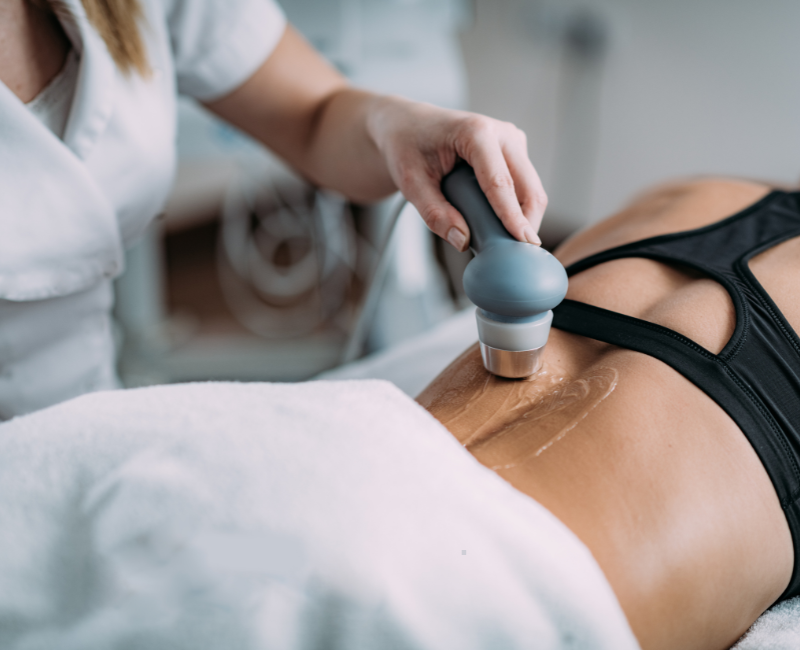
- Transabdominal: moisturized probe over lower abdomen.
- Transvaginal: internal probe inserted gently—patients may feel slight pressure but it’s over quickly.
- The entire process typically takes 15–30 minutes.
- After the Scan: Most clinics offer results on the same day or within a few days. If anomalies are found, referral to a consultant gynaecologist or further investigations may be recommended.
Cost & Access in London
Private pelvic ultrasound across London typically costs £150–£300; transvaginal scans may be slightly higher, around £180–£350.
Some clinic-specific pricing:
- The Scan Clinic: from £60 (possibly limited scope).
- IUS London: £119–£239.
- Vista Health: from £175, self-referral accepted.
- UltraGyn (consultant-led): £350–£600 depending on scan complexity.
- London Gynaecology: around £300.
Insurance may cover scans; otherwise, self-paying options or payment plans are available.
Case Studies & Outcomes
- Ovarian torsion was diagnosed swiftly via TVUS, enabling emergency treatment.
- Endometriosis detected through sliding-sign evaluation and endometrioma identification.
- Pelvic congestion syndrome identified early and managed conservatively.
These cases highlight the power of early diagnosis to reduce pain, preserve fertility, and mitigate disease progression.
Frequently Asked Questions (FAQ)
- Is it painful? Generally, it’s painless. Internal scans may cause mild discomfort but aren’t painful.
- Can I be scanned during my period? Yes—bleeding isn’t a contraindication.
- Can I bring someone? Most clinics allow one companion; no children in scanning rooms.
- How soon are results available? Typically same-day or within a few days.
- Do I need a GP referral? Usually not needed for private scans—self-referrals are accepted.
- Will ultrasound detect cancer? It can spot masses or suspicious findings, but biopsy is required for a definitive diagnosis.
Conclusion
If pelvic pain or abnormal bleeding is affecting you—especially with red‑flag symptoms—private ultrasound offers rapid, expert-led imaging with same-day results. Clinics in London provide high standards of care with flexible booking and clear pricing. To explore tailored options and get the answers you deserve, visit here for private ultrasound in London.