

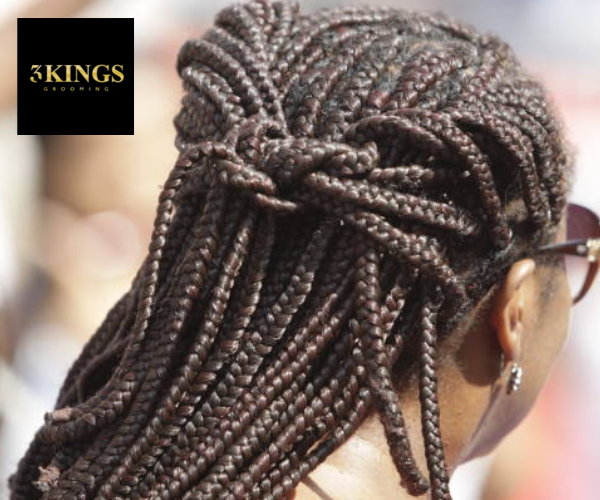
Where Did Braids Originate? Explore History Now
Braids are more than just a hairstyle. They carry a deep and rich history. But where did braids originate? The answer takes us back thousands of years. Let’s explore the story of braids together!
What Are Braids?
Braids are made by weaving three or more sections of hair together. People around the world use braids to style their hair. Braiding is fun, stylish, and also meaningful.
Many cultures braid hair. But in African cultures, braids mean even more. They show pride, beauty, and identity. Braids can also tell a story about where someone comes from.
Braids Started in Africa
So, where did braids originate? The oldest known braids were found in Africa. A famous statue called the Venus of Willendorf, over 25,000 years old, shows braided hair. This tells us that braids have been around for a very long time.
Historians believe braids began in Africa around 3500 B.C. That’s over 5,000 years ago! In early African societies, braids were used for more than beauty. They showed your tribe, age, wealth, and even if you were married or single.
Braids Were a Sign of Identity
In many African tribes, braids were like a map. The style of braids could tell others:
- Which tribe you were from
- Your social class
- If you were royalty
- Whether you were single or married
- Your religion or beliefs
Braiding also took time. Family members and friends would sit together to braid hair. It was a time to bond, talk, and share stories. This made braiding a community tradition, not just a hairstyle.
Braids Across the World
After starting in Africa, braids spread across the world. Many cultures created their own braid styles:
- Greece and Rome: Women braided their hair with gold and ribbons.
- China: Long braided ponytails were once a sign of loyalty.
- Native Americans: Braids showed strength and culture.
- Vikings in Europe: Braided hair was worn by warriors.
Braids became popular in many places. But African braids always kept deep meaning. They still show pride, unity, and beauty.
Braids During Slavery and Resistance
Braids became even more important during the time of slavery. Enslaved Africans brought their braid traditions with them. Even when they lost their homes, they kept their hair customs.
Some enslaved people used braids to send secret messages. For example, cornrow patterns were used to plan escape routes. Others used braids to hide seeds or gold as they were taken away from Africa.
This made braids a tool of strength and hope.
Braids Today: A Symbol of Pride
Today, people around the world wear braids. But for Black people, braids still carry a deep meaning. Braiding connects people to their African roots.
Braids are seen on red carpets, in schools, and even in sports. Celebrities, athletes, and artists proudly wear them.
3 Kings Grooming, for example, honors this long history. Founded by three brothers, the brand uses the Afro Pick as a symbol of this rich tradition. Their products pay tribute to the Motherland and the roots of the African Diaspora.
FAQs
Where did braids originate?
Braids started in Africa around 3500 B.C. They were used to show tribe, age, and beliefs.
Why are braids important in African culture?
Braids showed who you were. They marked your tribe, status, and even personal stories.
How did braids help during slavery?
Braids were used to hide seeds, send messages, and even map escape routes.
Conclusion
So, where did braids originate? The answer lies deep in African history. Braids are more than a hairstyle—they tell stories, show pride, and bring people together. From ancient tribes to modern culture, braids remain a powerful symbol. Want to honor the history of braids? Contact 3 Kings Grooming today and learn more about our mission and products that celebrate our roots.
