

How Do Professionals Safely Remove Animals From Chimneys?
Picture this: You’re curled up on the couch, mug in hand, when a strange rustling echoes from your fireplace. Next thing you know, your peaceful evening turns into a wildlife mystery. Whether it’s a curious raccoon, a determined squirrel, or a family of birds, animals sometimes see chimneys as the perfect hideout. But how do experts handle these unexpected guests? Let’s go behind the scenes and see how professionals carry out Chimney Animal Removal, making sure both animals and humans stay safe.
“The most effective solutions prioritize safety for both humans and animals. Removing animals from chimneys is as much about patience as it is about skill.”
Why Animals End Up in Your Chimney
To really get why animals sneak into chimneys, you’ve got to think like one. Chimneys offer warmth, shelter from rain, and a safe spot away from predators. For a mother raccoon, it could be a cozy nursery. For a bird, it’s a snug spot to build a nest. But once they’re inside, getting out isn’t so easy. Smooth chimney walls and confined spaces can turn a cozy shelter into a deadly trap, where frightened animals create noise, scatter debris, and risk dangerous blockages or even fire hazards.
The Professional Approach: Safety First
When dealing with chimney animal removal, trained professionals always put safety first. Before approaching the chimney, they develop a careful plan. The first step is identifying the type of animal inside—whether it’s a bird fluttering around, a raccoon family nesting, or a squirrel storing food. Squirrel removal from chimney requires a specific approach to ensure the animal is safely extracted without damage to your home. Using tools like inspection cameras, flashlights, and listening devices, experts locate the animal and carry out the chimney animal removal process humanely and effectively.
Here’s a quick look at how experts make their decisions:
| Animal Type | Typical Signs | Preferred Removal Method |
|---|---|---|
| Birds | Chirping, fluttering, bits of twigs | Gentle hand capture or one-way doors |
| Squirrels | Scratching, rapid movement, acorn shells | Live traps, coaxing with food, exclusion devices |
| Raccoons | Thumping, chittering, strong odor | Hands-off methods, one-way doors, specialized traps |
| Bats | High-pitched squeaks, nighttime activity | Exclusion tubes, nighttime release |
Step-by-Step: How Animals Are Safely Removed
So, how do the pros actually get animals out? It’s not about brute force—it’s all about gentle encouragement and smart tools. Here’s a behind-the-scenes peek at the process:
- Assessment: First, the expert inspects the chimney, sometimes from both the top and the fireplace opening. Tools like inspection cameras or mirrors help spot the animal without scaring it.
- Choosing the Right Tool: Depending on who’s inside, the pro might use a humane trap, a one-way door, or a special net. For birds, a quiet approach is key—they’re easily stressed. For raccoons, it’s about avoiding direct contact, as they can get defensive.
- Gentle Removal: No matter the animal, the goal is always to avoid harm. Sometimes, food is used to lure the critter out. Other times, one-way doors let animals exit but not return. If babies are present, they’re carefully gathered and reunited with their mother outside.
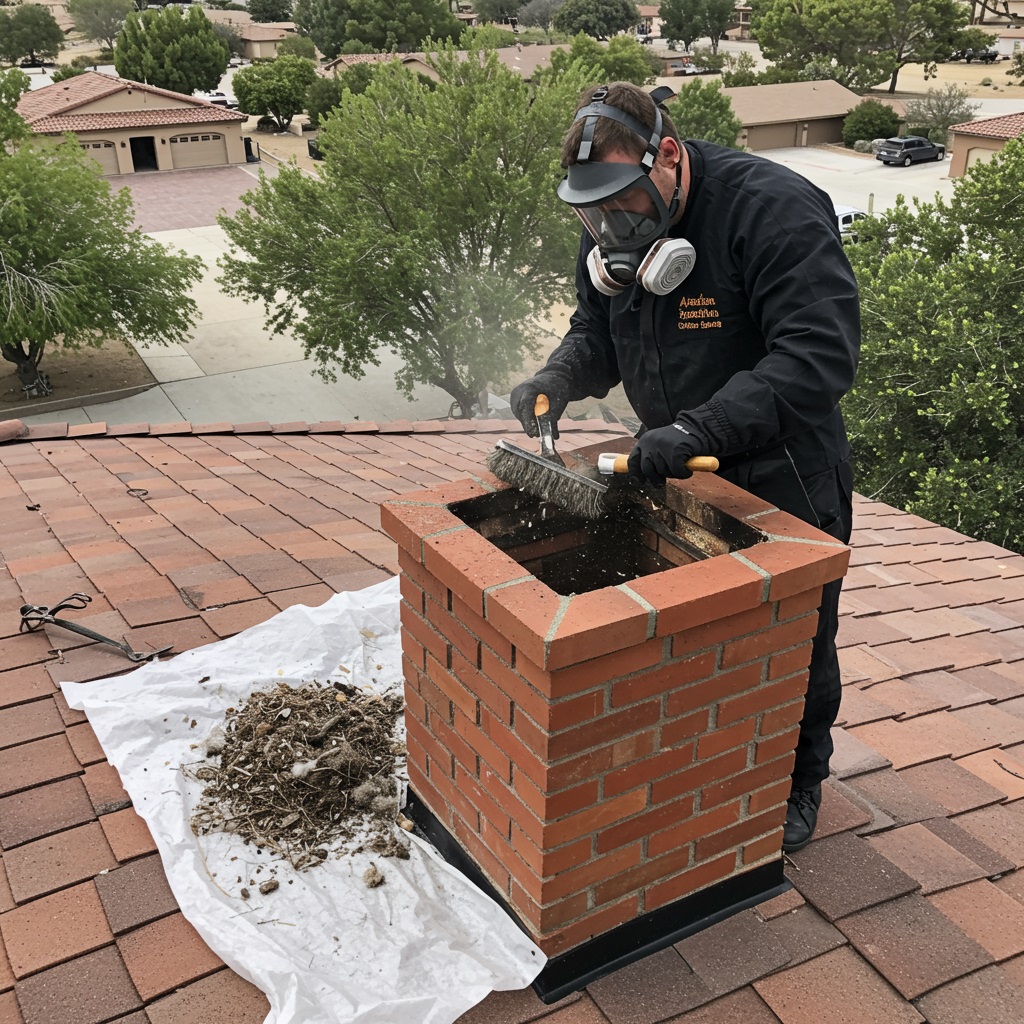
- Cleanup and Prevention: After the animal is gone, the job isn’t finished. Experts remove nesting materials, animal waste, and any obstructions from the chimney. Then, they’ll offer advice (or install) chimney caps and screens to keep the visitors from coming back.
If you ever wondered, “Why not just light a fire and let them leave?”—that’s both dangerous and inhumane. Fires can injure or kill trapped animals, and panic may lead to further damage or even animals entering your home. That’s why calling in an expert is always the smart move.
Common Mistakes Homeowners Make (And How to Avoid Them)
When faced with a furry or feathered surprise, it’s tempting to try a quick fix. But there are some classic pitfalls that can make things worse:
- DIY Traps: Homemade traps might seem easy, but they can hurt the animal or leave you with a bigger mess.
- Smoke Them Out: Lighting a fire is never the answer—it’s dangerous for both the animal and your home.
- Ignoring the Problem: Hoping the animal will leave on its own can lead to nests, blocked chimneys, and even baby animals stuck inside.
- Sealing Too Soon: Blocking off the chimney without checking for animals can trap them inside, causing panic and potential damage.
The safest bet? Call a professional who knows Chimney Animal Removal inside and out. They’ve seen it all and know how to help—without causing harm.
What Happens After the Animals Are Gone?
The story doesn’t end with a successful rescue. Once the animal is out, the pro will usually do a quick health check on the critter and release it nearby (if it’s safe to do so and allowed by local laws). Next comes a thorough cleaning of your chimney—removing all traces of nests, droppings, or stuck debris. This step is crucial, as leftover mess can attract new guests or even create fire risks.
Finally, a little prevention goes a long way. Installing a sturdy chimney cap keeps future visitors at bay, while regular inspections make sure your fireplace stays animal-free. Some companies even offer checkups in the spring and fall, just in case.
Conclusion: Peace of Mind for You—and the Animals
Sharing your home with wildlife might sound adventurous, but it’s not much fun when it involves your chimney. Luckily, professional Chimney Animal Removal is all about respect—for both you and the animals. With the right approach, everyone gets a happy ending. If you hear a mysterious noise from above your fireplace, don’t panic. Reach out to the experts, and you’ll be back to cozy evenings in no time—without any uninvited guests.
Read More: Apache Junction Chimney Sweep