

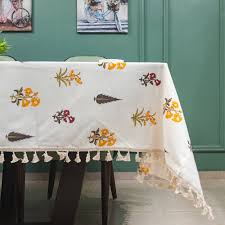
Why Every Home Needs a Dining Table Runner (And a Well-Chosen Cloth)
There’s a special kind of intimacy that comes with sharing meals — the sound of clinking cutlery, the warmth of conversations, the soft light over food thoughtfully laid out. And somewhere beneath that setting lies a piece of fabric that often goes unnoticed but plays a starring role in setting the tone: the dining table runner.
While minimalism might tempt us to go bare, a beautifully styled dining table runner is far from outdated. It’s a design element that introduces texture, color, and character to your table without overwhelming it. Whether you’re hosting a weekend brunch or simply enjoying weekday dinners with your family, it subtly elevates the mood, adding both functionality and finesse.
In this article, we’ll explore why the humble runner deserves a place in every home, how it compares to the classic dining table cloth, and how you can style both for modern-day homes that love good design as much as good food.
Dining Table Runner: The Understated Hero of Table Décor

Unlike traditional tablecloths that cover the entire surface, a dining table runner is a strip of fabric, usually long and narrow, placed down the center of the table. Think of it as a runway for your meals and memories.
So, why choose a runner?
Visual Structure Without the Clutter
A runner adds symmetry and structure to your table without covering up its beauty. Whether your table is glass, wood, or metal, a runner frames it without hiding it.
Layering Possibilities
You can layer a dining table runner over a dining table cloth, a bare table, or even mix it with placemats. This flexibility makes it a design chameleon — able to go from formal to boho in a matter of seconds.
Everyday Functionality
Runners are easier to clean, store, and swap out than full-sized cloths. Ideal for people who like to refresh their home with seasons or moods.
Defines the Dining Zone
In open-plan homes, a runner acts as a soft boundary. It defines the dining zone without needing walls or furniture.
Dining Table Cloth vs. Table Runner: Which One Wins?

It’s not about one replacing the other — it’s about choosing what works best for your space and lifestyle.
Use a Dining Table Cloth when:
You’re hosting a formal dinner or festive occasion.
You want to protect your table entirely from spills, scratches, or heat marks.
Your table surface has aged and needs a visual refresh.
You’re coordinating with a larger theme (think holiday motifs or wedding décor).
Opt for a Dining Table Runner when:

You love minimalism and want the table’s material to shine through.
You’re creating a more casual, everyday setup.
You want to add a visual layer but keep things breezy and easy to clean.
You have centerpieces or décor you want to highlight.
Best of Both Worlds:
Layering a runner on top of a tablecloth combines protection with style. A linen tablecloth in a soft neutral with a bold runner over it? Classic. A printed tablecloth with a lace or jute runner? Eclectic chic.
Styling Your Dining Table Runner Ideas
A dining table runner can be more than a rectangle of cloth — it can be the mood-setter of your mealtime.
Seasonal Switch-Ups
Spring: Florals, pastels, and cottons
Summer: Light linen in whites, ochres, or breezy blues
Autumn: Rust, terracotta, or leaf motifs
Winter: Velvet or wool blends in jewel tones
Material Choices
Cotton: Casual, easy to wash, everyday use
Linen: Understated elegance, perfect for Scandinavian or Japandi-inspired homes
Jute or Burlap: Earthy, rustic, great for wooden or farmhouse tables
Silk or Satin: Glamorous, great for festive occasions or celebrations
Prints & Patterns
Stripes or Checks: Timeless and symmetrical
Block Prints or Embroidery: Artisan charm
Solid Colors with Texture: Ideal for maximalist dining ware or ornate centerpieces
Functional Benefits of a Table Runner
While we’ve gushed about their aesthetic, dining table runners come with some serious practicality too.
Protects the table from hot dishes, stains, and candle wax
Hides minor flaws or scratches on older tables
Keeps tableware in place, reducing clinks and slips
Easier to clean than large tablecloths (great for families with kids)
Inexpensive way to redecorate — switch them out for less than the cost of a new tablecloth
Unexpected Ways to Use Your Runner
The versatility of a dining table runner extends far beyond mealtimes:
Console Styling: Drape it over an entryway console with candles, books, and vases.
Coffee Table Layer: Use it across the center of a large coffee table to define zones.
Bedroom Bench: Add a runner over the footboard or bench to introduce texture.
Wall Hanging: A bold, embroidered runner can be repurposed as textile wall art.
It’s these multi-purpose wins that make runners a favorite among modern decorators and stylists.
Creating a Cohesive Look with Your Dining Table Cloth
If you’re going for a layered look or dressing a table for an occasion, your dining tablecloth becomes the foundation. Here’s how to ensure it complements your runner:
Color Blocking: Choose contrasting but complementary shades.
Neutral + Pattern: Pair a solid cloth with a printed runner or vice versa.
Texture Play: Linen cloth with velvet runner? Yes. Cotton cloth with macramé runner? Also yes.
Pro tip: Stick to a consistent color story. You can get playful, but avoid mixing too many patterns unless that’s the look you’re going for.
Final Thoughts
The way we dress our dining tables speaks volumes. It shows attention to detail, love for the everyday, and a desire to make meals—even the simple ones—feel a little more special. A dining table runner is a small step toward a bigger emotion: togetherness.
So whether you’re a seasoned host, a new homeowner, or someone who simply enjoys a quiet meal with a view, let your table reflect your rhythm. Mix in a runner, layer a dining table cloth when needed, and watch your dining space become more than just a spot to eat. Let it be a place where stories are shared, laughs echo, and memories are created — one beautifully styled table at a time.

