

Chimney Rebuilding: Restoring Safety and Charm to Your Home
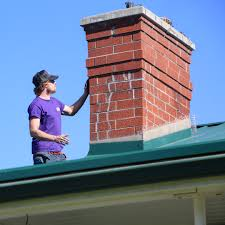
Have you ever looked up at your chimney and wondered if it’s still doing its job properly—or even safe? You’re not alone. Chimneys, like every other part of your home, age over time. Cracks, leaning stacks, crumbling bricks—these aren’t just cosmetic issues. They can be dangerous.
This guide explores everything you need to know about chimney rebuilding, why it’s important, when it’s needed, and how to get it done the right way.
Table of Contents
| Sr# | Headings |
|---|---|
| 1 | Why Chimneys Need Rebuilding |
| 2 | Common Signs Your Chimney Needs Work |
| 3 | Repointing vs. Rebuilding – What’s the Difference? |
| 4 | Types of Chimney Rebuilding |
| 5 | The Chimney Rebuilding Process Explained |
| 6 | How Long Does Chimney Rebuilding Take? |
| 7 | Chimney Safety and Building Regulations |
| 8 | Cost of Chimney Rebuilding |
| 9 | Hiring the Right Chimney Specialist |
| 10 | Chimney Materials – Brick, Stone, or Concrete? |
| 11 | Preventing Future Chimney Damage |
| 12 | Chimney Rebuilding for Historic Homes |
| 13 | Weather’s Role in Chimney Damage |
| 14 | How to Maintain a New Chimney |
| 15 | Conclusion |
1. Why Chimneys Need Rebuilding
Your chimney is exposed to the harshest elements—wind, rain, snow, and time. Over years or even decades, this exposure causes:
- Water damage
- Structural weakness
- Brick deterioration
- Mortar erosion
Eventually, repairs may not be enough, and a full rebuild becomes necessary—especially if the chimney is leaning or unstable.
2. Common Signs Your Chimney Needs Work
Wondering if your chimney is due for a rebuild? Look for:
- Loose or missing bricks
- Crumbling mortar
- White stains (efflorescence)
- A tilting or leaning stack
- Water leaks near your fireplace
- Smoke backing into your home
If any of these are present, get a professional inspection ASAP.
3. Repointing vs. Rebuilding – What’s the Difference?
This is a question many homeowners ask.
- Repointing is the process of renewing the mortar joints.
- Rebuilding is a complete or partial teardown and reconstruction of the chimney.
If the bricks are still in good shape but the mortar is damaged, repointing might be enough. But if structural integrity is compromised, it’s rebuild time.
4. Types of Chimney Rebuilding
Not every chimney needs to be rebuilt from scratch. Common types include:
- Partial rebuild – just the upper section (often the most weathered)
- Roofline rebuild – from the roof upwards
- Full rebuild – entire chimney is reconstructed
Your chimney expert will recommend the right approach based on its condition.
5. The Chimney Rebuilding Process Explained
Here’s what typically happens:
- Inspection to assess damage
- Tear-down of the damaged portion
- Material selection to match the home’s look
- Reconstruction using proper techniques
- Curing and finishing for strength and appearance
A good builder ensures it’s both functional and attractive.
6. How Long Does Chimney Rebuilding Take?
Depending on the size and damage, it can take:
- 1–3 days for a partial rebuild
- Up to a week for a full rebuild
Weather, access, and materials can also affect the timeline.
7. Chimney Safety and Building Regulations
Rebuilding must follow local building codes and safety standards. This includes:
- Proper flue liners
- Ventilation requirements
- Correct height above roofline
- Use of fire-safe materials
Always hire professionals who understand these rules.
8. Cost of Chimney Rebuilding
Costs vary based on:
- Extent of the rebuild
- Chimney size and height
- Materials used
- Labor rates in your area
Ballpark range:
- Partial rebuild: £800–£1,500
- Full rebuild: £2,000–£5,000+
Always get a detailed, written quote before work begins.
9. Hiring the Right Chimney Specialist
Don’t settle for the first name you see online. Look for:
- Experienced masons or chimney rebuilders
- Verified customer reviews
- Portfolio of past work
- Insurance and guarantees
Ask about their process, timeframe, and past projects.
10. Chimney Materials – Brick, Stone, or Concrete?
Each material has pros and cons:
- Brick: Classic, affordable, and easy to match
- Stone: Beautiful and durable but pricey
- Concrete: Strong but less attractive
Your choice should match your home’s architecture and your budget.
11. Preventing Future Chimney Damage
After rebuilding, keep it strong with:
- Annual chimney inspections
- Waterproofing treatments
- Proper chimney caps
- Regular cleaning of soot and creosote
A little maintenance goes a long way.
12. Chimney Rebuilding for Historic Homes
Older homes need special care. Original materials may no longer be available, or heritage rules may apply. Skilled masons can:
- Recreate original designs
- Use reclaimed materials
- Preserve the historic aesthetic
Don’t let age stop your chimney from being safe and beautiful.
13. Weather’s Role in Chimney Damage
In the UK, especially in damp climates, weather is a top culprit:
- Rain and snow seep into bricks
- Frost expands moisture, cracking masonry
- Wind wears down structure over time
Protect your chimney like you would your roof—regular checks matter.
14. How to Maintain a New Chimney
Just had your chimney rebuilt? Great! Now protect your investment:
- Apply a masonry sealant
- Keep gutters clear to avoid water damage
- Check the flashing (where chimney meets roof)
- Cap the chimney to block animals and debris
Your chimney will thank you for years to come.
15. Conclusion
A chimney isn’t just a cozy feature—it’s part of your home’s structure and safety system. If yours is looking worse for wear, don’t wait for things to get worse. Chimney rebuilding restores safety, improves appearance, and adds value to your property.