

What Causes Sewage to Back Up into Your Home?
Sewage backup is a homeowner’s nightmare. When raw sewage flows back into your home, it poses serious health risks and causes extensive property damage. Understanding what causes sewage to back up can help you take preventative measures and act quickly if a problem arises. In this article, we will explore the common causes of sewage backups, the implications of ignoring the problem, and how services like water mitigation and sewage backup cleanup cost factor into the resolution process.
Why Does Sewage Back Up into Homes?
Several factors can lead to sewage backing up into your home. It usually starts with a blockage or damage in the sewer system. Here are the most common causes:
1. Blocked or Clogged Sewer Lines
A blockage in your sewer line is the most frequent reason sewage backs up into homes. This blockage can be caused by tree roots infiltrating underground pipes, debris accumulation, grease buildup, or flushing inappropriate items down the drain.
Tree roots are notorious for breaking into older clay pipes, squeezing through cracks, and causing severe blockages. Once a pipe is partially or completely blocked, sewage cannot flow freely, causing it to back up through your drains and fixtures.
2. Heavy Rainfall and Flooding
During periods of heavy rain, municipal sewer systems can become overwhelmed with excess water. When the main sewer line can’t handle the volume, sewage and stormwater may back up into homes, especially in low-lying areas or basements.
This is particularly common in areas with combined sewer systems, where stormwater and sewage share the same pipes. When overloaded, the system backs up, leading to contamination inside your home.
3. Broken or Collapsed Sewer Pipes
Over time, sewer pipes can deteriorate due to age, shifting soil, or corrosion. Cracks, breaks, or even a full collapse of sewer lines disrupt the normal flow of waste. When this happens, sewage can’t travel to the municipal sewer system and backs up into your home.
This damage often goes unnoticed until you experience slow drains, foul odors, or sewage backup. Regular inspection by professionals can help catch these issues early.
4. Improper Plumbing or Installation Errors
Sometimes, sewage backup occurs due to poor plumbing practices. If your home’s plumbing system was improperly installed or modified without permits and inspections, the pipes may not function correctly. Improper venting or incorrectly sloped pipes can lead to drainage issues and backups.
5. Municipal Sewer Line Problems
While less common, the problem can originate outside your home. Municipal sewer lines can become blocked, damaged, or overwhelmed, causing sewage to back up into connected properties. When this happens, you might notice sewage backups in multiple homes in your neighborhood.
How Does Sewage Backup Affect Your Home and Health?
Sewage contains harmful bacteria, viruses, and parasites. When it backs up into your home, it contaminates surfaces and air, posing serious health risks to your family. Direct contact or inhalation of airborne pathogens can cause infections, gastrointestinal issues, and respiratory problems.
In addition to health concerns, sewage backups cause significant property damage. Water can soak into walls, flooring, furniture, and insulation, leading to mold growth and structural weakening. Ignoring sewage backup can multiply cleanup costs and repair expenses.
What Is the Typical Sewage Backup Cleanup Cost?
The cost of sewage backup cleanup varies based on the extent of the damage, the size of the affected area, and the complexity of the cleanup required. Generally, the sewage backup cleanup cost includes:
- Initial assessment and inspection: Professionals evaluate the source and severity of the backup.
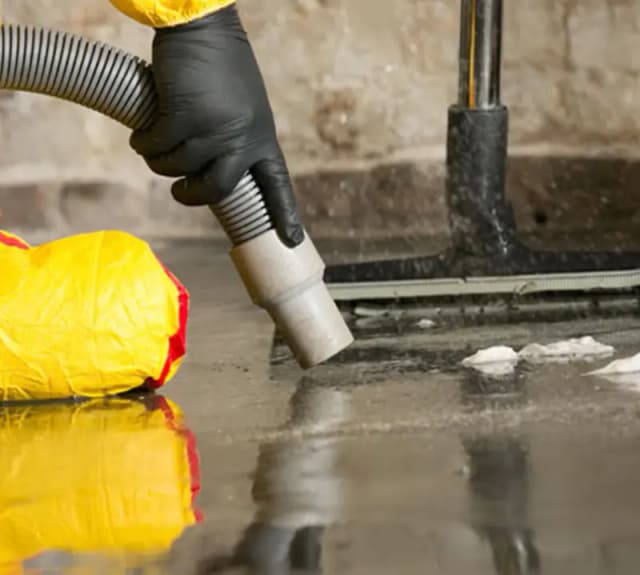
- Water extraction and sewage removal: Specialized equipment removes sewage-contaminated water.
- Cleaning and sanitizing: Technicians thoroughly clean and disinfect all affected areas to eliminate bacteria and prevent mold growth.
- Drying and dehumidification: Industrial-grade dehumidifiers and air movers dry the structure to avoid secondary damage.
- Repairs and restoration: Depending on damage severity, repairs may involve replacing drywall, flooring, or plumbing.
For a minor backup, cleanup might cost a few hundred dollars, but severe cases can run into thousands. Choosing a trusted water mitigation and sewage cleanup company like Ideal Response ensures thorough remediation, protecting your home and health.
How Can Water Mitigation Help After a Sewage Backup?
Water mitigation involves the processes that reduce or prevent further water damage after a sewage backup or flooding event. It is critical to start water mitigation as soon as possible to minimize long-term damage.
Here’s how water mitigation works in sewage backup cases:
- Rapid Response: Companies like Ideal Response offer fast emergency services to contain the problem.
- Containment: Professionals isolate the affected area to stop sewage from spreading to other parts of your home.
- Removal: Technicians remove contaminated water and materials that can’t be salvaged.
- Drying: Industrial equipment dries out your home to prevent mold growth and structural damage.
- Sanitization: Applying antimicrobial treatments kills bacteria and viruses left by sewage.
Effective water mitigation reduces repair costs and shortens the time needed to restore your home, making it an essential part of sewage backup cleanup.
How Can Homeowners Prevent Sewage Backup?
Preventing sewage backup involves regular maintenance and proactive measures:
- Schedule sewer line inspections: Annual or bi-annual inspections can detect issues before they worsen.
- Avoid flushing inappropriate items: Items like wipes, grease, sanitary products, and diapers can clog pipes.
- Maintain your plumbing system: Regularly clean drains and avoid chemical drain cleaners that can damage pipes.
- Trim tree roots near sewer lines: Professionals can safely remove roots invading your pipes.
- Install a backwater valve: This device prevents sewage from flowing backward into your home.
- Monitor drainage during heavy rain: If flooding occurs, act quickly to prevent contamination.
When Should You Call Professionals Like Ideal Response?
If you experience signs of sewage backup, such as slow drains, foul odors, water pooling in your basement, or actual sewage coming from drains, call professionals immediately. Attempting DIY cleanup puts your health at risk and may worsen the damage.
Ideal Response specializes in sewage backup cleanup and water mitigation. Their experienced team assesses the damage, removes contaminants safely, and restores your home with minimal disruption. Early intervention can reduce the sewage backup cleanup cost and help you regain a safe living environment quickly.
Conclusion: Understanding and Acting on Sewage Backup
Sewage backing up into your home results from blockages, pipe damage, heavy rain, or municipal issues. It poses health risks and causes extensive damage. Knowing the causes helps you prevent backups and recognize when to call for professional help.
The sewage backup cleanup cost can be significant, but timely water mitigation and restoration reduce expenses and health risks. Trusted companies like Ideal Response provide expert services to restore your home efficiently and safely.
If you suspect sewage backup in your home, don’t wait. Contact Ideal Response to protect your family and property with expert water mitigation and cleanup services.