What is a sheet metal laser cutter and how is it used in modern fabrication industries
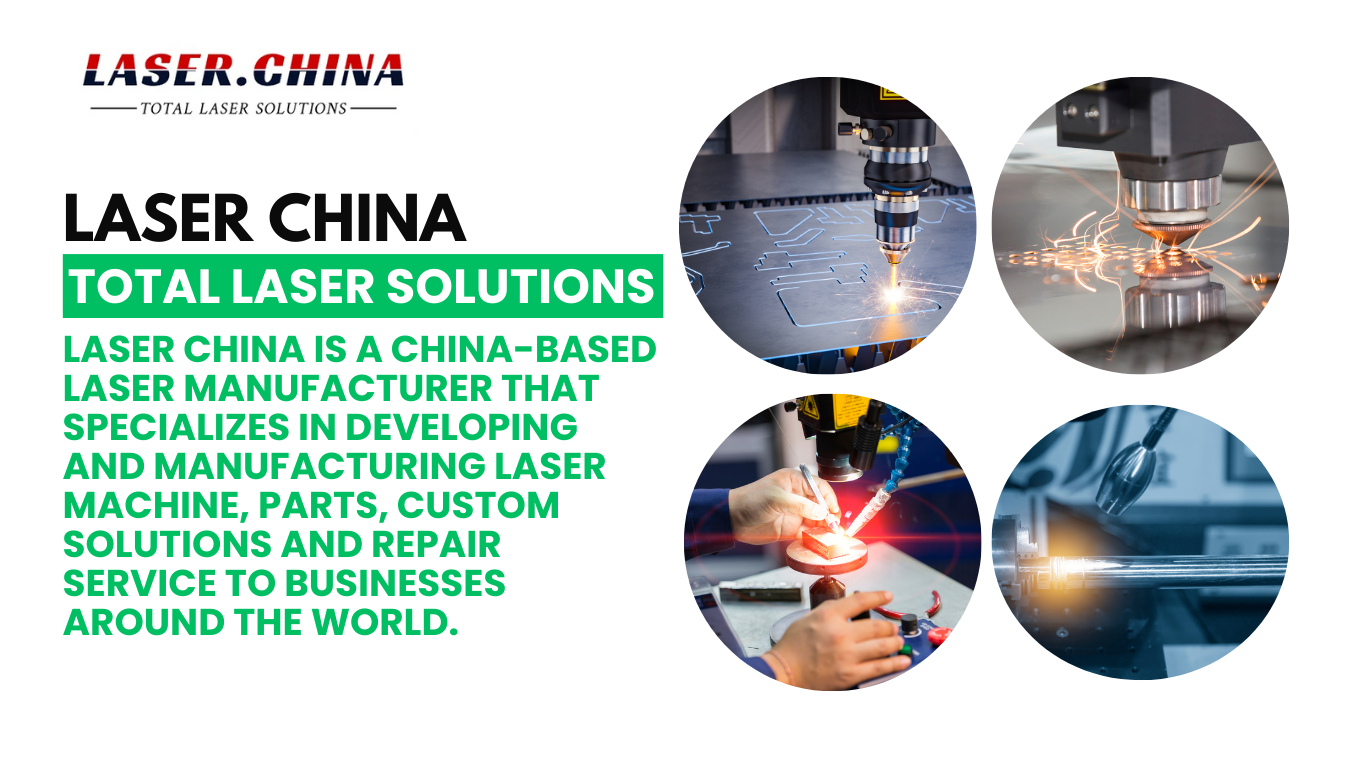
A sheet metal laser cutter is a precision machine that uses a high-powered laser beam to cut flat sheets of metal into desired shapes, sizes, or patterns. It is a crucial tool in modern manufacturing and metal fabrication, known for its speed, accuracy, and ability to handle complex geometries with minimal waste. These machines are widely used in industries such as automotive, aerospace, construction, electronics, and custom metalwork.
How It Works:
The machine generates a focused laser beam—typically through a fiber laser or CO₂ laser—which is directed onto a sheet of metal. The intense energy of the laser heats the metal to its melting or vaporization point. Simultaneously, an assist gas (such as nitrogen, oxygen, or compressed air) is blown through the cutting head to expel molten material from the kerf (cutting gap), resulting in a clean and precise cut.
The movement of the laser head or the sheet metal is controlled by a CNC (Computer Numerical Control) system. This allows for automation and precision based on digital designs (usually CAD files), ensuring highly repeatable and accurate cutting even for complex patterns.
Key Features and Benefits:
- High Cutting Precision:
Sheet metal laser cutters can achieve very fine tolerances, often within ±0.1 mm. This level of precision is essential for industries requiring detailed work, such as electronics or aerospace. - Clean and Smooth Edges:
The laser creates narrow kerfs and smooth edges, reducing the need for post-processing like grinding or deburring. - Fast Processing Speeds:
Compared to traditional methods like mechanical shearing or plasma cutting, laser cutters are significantly faster—especially for thin to medium-thickness sheets. - Material Efficiency:
Advanced nesting software allows parts to be laid out on sheets with minimal waste, maximizing material usage and reducing costs. - Flexibility in Design:
Laser cutters can handle intricate shapes, sharp corners, small holes, and detailed patterns that would be difficult or impossible with conventional methods. - Minimal Heat-Affected Zone (HAZ):
The focused beam results in a small heat-affected zone, which helps preserve the structural integrity of the surrounding material.
Materials Commonly Cut:
- Mild Steel
- Stainless Steel
- Aluminum
- Copper and Brass (with fiber lasers)
Applications:
- Automotive: Cutting body panels, brackets, and structural parts.
- Aerospace: Producing lightweight components with tight tolerances.
- Construction: Cutting metal frames, cladding, and architectural designs.
- Electronics: Creating small, detailed parts and enclosures.
- Furniture and Appliances: Forming metal cabinets, doors, and components.
- Custom Fabrication and Signage: Crafting artistic and decorative pieces.
Limitations:
- Initial Investment Cost: High-end sheet metal laser cutters require significant upfront investment.
- Material Thickness Restrictions: While excellent for sheets up to around 25 mm (depending on the machine), other technologies like plasma or waterjet may be more suitable for thicker materials.
- Reflective Metals: Cutting reflective materials like aluminum or copper requires a fiber laser, as CO₂ lasers can struggle with reflections.
Conclusion:
A sheet metal laser cutter is a vital tool for modern fabrication, offering unmatched speed, precision, and versatility. Whether used for high-volume industrial production or custom one-off jobs, it delivers efficient, high-quality results with minimal waste. Its ability to handle a wide variety of metals and complex designs makes it indispensable in today’s competitive manufacturing landscape.