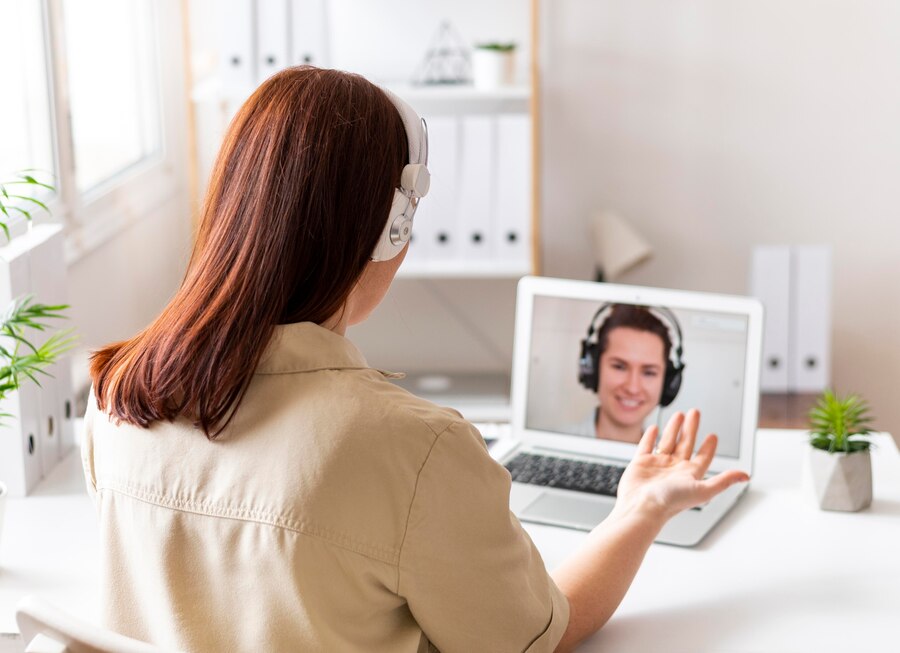
Telehealth Mental Health Services vs. EAPs: Which is Better for Employees?
Employee wellbeing is no longer a secondary consideration. It’s central to productivity, retention, and culture. But how companies support their teams varies. Two leading solutions—Telehealth mental health services and Employee Assistance Programs (EAPs)—often get grouped together, but they offer very different levels of support.
This blog explores how each option works, where they fall short, and why companies are rethinking traditional approaches. If you’re an HR leader, benefits coordinator, or executive decision-maker, read on to understand which solution better meets today’s workforce expectations—and how section125group helps businesses make the right choice.
Understanding the Basics: What Are EAPs and Telehealth Mental Health Services?
EAPs and telehealth mental health services both aim to provide mental health support—but the structure, access, and results differ significantly.
What Is an Employee Assistance Program (EAP)?
EAPs are employer-funded programs that provide employees with short-term, confidential support for issues like stress, substance use, family problems, and legal concerns. These are often limited to a few sessions per issue, per year.
What Are Telehealth Mental Health Services?
Telehealth mental health services offer digital access to licensed mental health professionals through video, phone, or secure chat. These services often extend beyond crisis support to include therapy, counselling, and behavioural coaching—on demand, on schedule, and at scale.
Access and Convenience: Where Telehealth Outshines Traditional Models
The first major difference between telehealth and EAPs is how easily employees can use the service.
EAPs Often Come with Barriers
Many employees don’t even realise EAPs exist. Those who do may be unsure how to access them or worry about confidentiality. The process often involves contacting HR or a third-party hotline—steps that deter usage.
Telehealth Mental Health Services Offer Click-and-Connect Simplicity
Today’s workers, especially in fast-paced industries like healthcare, QSR franchises, and staffing firms, need fast solutions. Telehealth platforms make it easy to book appointments, connect with licensed professionals, and receive consistent care from any device, anytime.
section125group integrates telehealth mental health services that don’t require employees to jump through hoops. They log in and get help—confidentially and quickly.
Scope of Care: One-Time Help vs. Ongoing Support
The second big contrast lies in the depth of care offered.
EAPs Provide Short-Term Assistance
Most EAPs are designed for immediate intervention. That could mean three to five sessions per issue, per year. While helpful in a crisis, it’s rarely enough for sustained mental health support.
Telehealth Services Offer Continuous Care Options
Telehealth providers are not bound by session caps. Employees can receive ongoing care that adapts to their evolving needs, whether it’s weekly therapy, long-term counselling, or check-ins with behavioural coaches.
With section125group, companies can build employee mental health packages that prioritise consistency, ensuring each team member has a path to progress, not just a temporary fix.
Confidentiality and Trust: A Deciding Factor in Utilisation
Employees must feel safe using mental health resources. Otherwise, they won’t.
EAPs May Raise Privacy Concerns
Despite promises of confidentiality, the link between EAPs and HR can create hesitation. Employees may fear stigma or consequences, especially in sensitive environments.
Telehealth Mental Health Services Maintain Strict Privacy Standards
HIPAA-compliant platforms remove internal organisational barriers. Sessions are private. No reports are sent to employers without consent. This trust drives higher engagement and more consistent use.
section125group partners with secure telehealth platforms that ensure full employee privacy, so support is sought without fear.
Engagement Rates: Which Option Do Employees Use?
Availability doesn’t guarantee usage. Engagement rates tell the real story.
EAPs Often Go Underused
Studies show that EAP usage rates are typically between 3% and 7%. Many employees don’t know how to access them or feel they’re irrelevant.
Telehealth Services Drive Higher Participation
Because of convenience, flexibility, and better communication, telehealth platforms often see usage rates between 20% and 35%. That’s a huge jump—and a sign that employees value and trust these solutions.
section125group helps employers communicate clearly and effectively, driving adoption and usage from day one.
Personalisation and Specialisation: Meeting Diverse Employee Needs
A diverse workforce requires flexible mental health care.
EAPs Offer General Support
Most EAPs provide broad-stroke counselling. They may lack specialised professionals trained to address niche concerns, like trauma, grief, neurodiversity, or culturally competent care.
Telehealth Connects Employees with Specialised Providers
With telehealth, employees can choose from professionals who match their specific needs, backgrounds, and preferences. They’re not just assigned a provider—they’re matched with someone who fits.
Whether your workforce includes caregivers, shift workers, or high-stress healthcare staff, section125group enables access to the right kind of mental health care.
Integration with Broader Benefits: Planning Smarter with FSAs and HSAs
Cost-effective benefits planning isn’t just about offering care—it’s about funding it wisely.
EAPs Are Employer-Paid But Limited
While EAPs are covered by the employer, their limited scope means you’re investing in a tool that many won’t use long-term.
Telehealth Mental Health Services Can Be FSA/HSA-Compatible
Many telehealth providers qualify as eligible medical expenses under FSAs and HSAs. That gives employees more flexibility in how they access and fund care.
section125group works with employers to optimize benefits design. If your team is using FSAs or HSAs, integrating telehealth mental health support ensures employees can use pre-tax dollars for the care they need.
Mental Health in the Modern Workplace: What Employees Expect Now
Workplace culture has changed. Employees want to work for companies that support their whole wellbeing, not just their productivity.
EAPs Represent an Old Model
While EAPs served an important role in the past, they often don’t meet the needs of today’s workforce. One-size-fits-all doesn’t work when employees are juggling financial stress, burnout, caregiving duties, and mental load.
Telehealth Mental Health Services Reflect Modern Expectations
Employees expect flexibility. They want to feel seen, heard, and cared for. Telehealth platforms meet people where they are—literally and emotionally.
By offering smarter access to personalised care, section125group helps companies boost morale, reduce turnover, and build a culture of trust and wellbeing.
Data-Backed Outcomes: Measurable Impact for Employers
Let’s talk about results, because every benefit decision should drive outcomes.
EAPs Show Modest Impact
With low usage and short-term design, EAPs rarely move the needle on absenteeism, presenteeism, or turnover in a measurable way.
Telehealth Shows ROI Across the Board
Studies have shown that companies offering telehealth mental health services see:
- 25–30% reduction in absenteeism
- 20% increase in employee satisfaction
- Lower turnover rates
- Higher productivity scores
section125group tracks and reports these outcomes so you can see the direct business value of your investment.
Strategic Advantage: Telehealth as a Competitive Edge
In competitive industries like hospitality, healthcare, and staffing, benefits matter.
EAPs Are No Longer a Differentiator
Most companies offer them. Few promote them. Even fewer track their effectiveness.
Telehealth Mental Health Services Set You Apart
Offering accessible, ongoing, and customisable mental health support gives your company a recruiting edge. It also shows that leadership truly values employee wellbeing, not just ticking a compliance box.
section125group helps design, implement, and communicate telehealth mental health programs that work—for people and for business.
Final Verdict: Which Is Better?
Let’s summarise.
| Factor | EAPs | Telehealth Mental Health Services |
| Access | Limited, confusing | Instant, user-friendly |
| Session Limits | 3-5 per issue/year | Ongoing support |
| Confidentiality | Perceived risk | Full HIPAA compliance |
| Engagement | 3–7% | 20–35% |
| Specialisation | Generalised | Personalised |
| Integration with FSAs/HSAs | No | Yes |
| ROI | Low | High |
The evidence is clear. If you want your employees to use, benefit from, and trust the mental health support you offer, telehealth mental health services win.
How section125group Helps Employers Make the Shift
Choosing between EAPs and telehealth is no longer a question of cost—it’s a question of value. At section125group, we help employers:
- Audit their current mental health offerings
- Evaluate employee needs across departments
- Build FSA/HSA-compatible benefit packages
- Integrate telehealth services that employees will use
- Track engagement and ROI through real-time reporting
Whether you operate a fast-paced QSR franchise, a growing healthcare practice, or a national staffing firm, we can help you prioritise employee wellbeing the smart way.
Ready to offer more than just check-the-box mental health care? Let section125group show you how.