

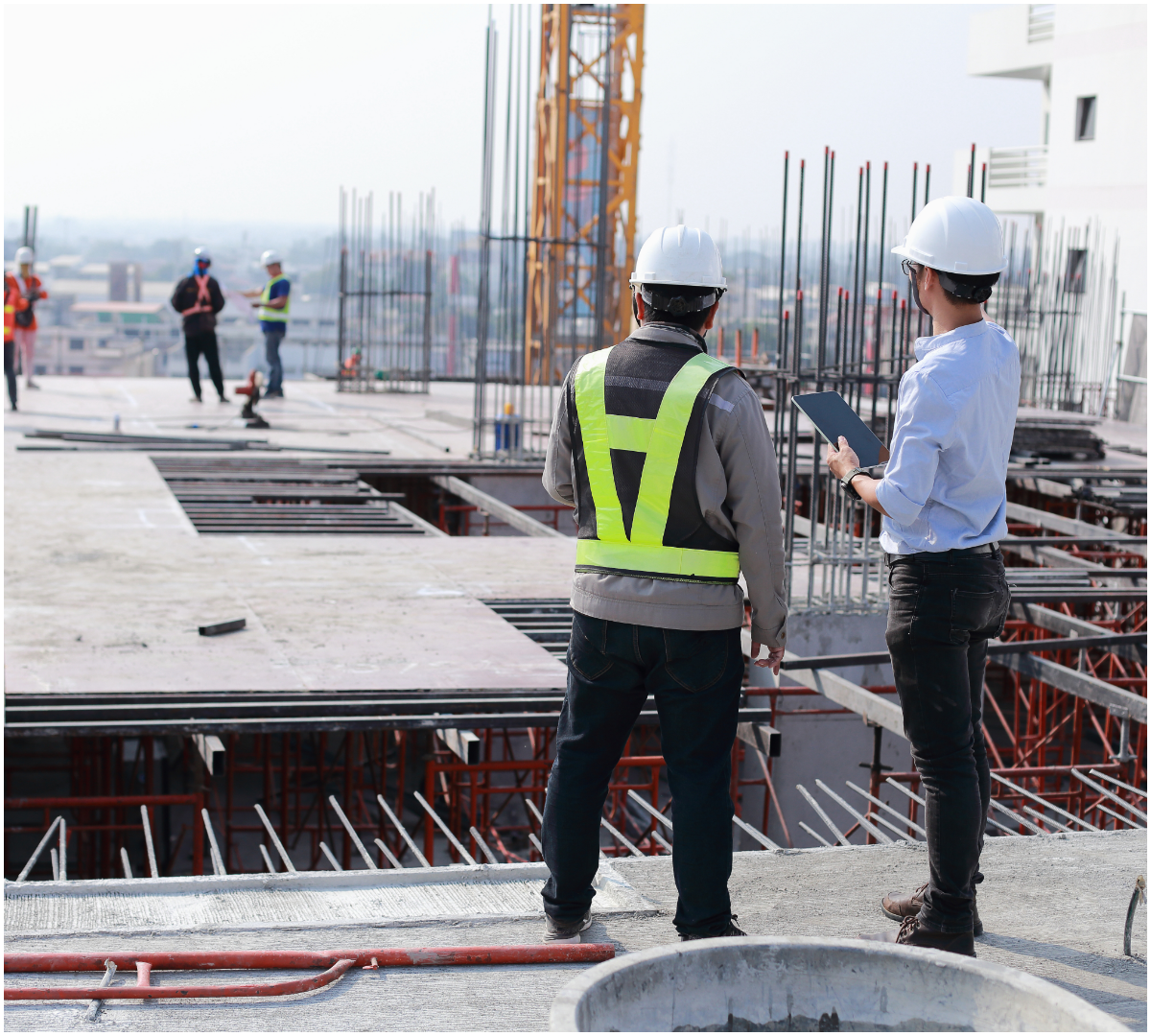
Navigating the Complexities of Structural Engineering in Coastal Zones
Building in coastal areas presents a unique set of challenges for Building structural engineering. The constant exposure to harsh weather conditions, saltwater corrosion, and the risk of natural disasters requires careful planning and innovative solutions. As coastal development continues to grow, understanding these challenges and how to address them is essential for ensuring the safety and longevity of buildings.
Key Challenges in Coastal Structural Engineering
- Corrosion from Saltwater
- One of the most significant challenges in coastal areas is the impact of saltwater. Salt causes corrosion in metal components, weakening the overall structure. This is especially problematic for buildings that are near the ocean or exposed to saltwater spray.
- For example, steel beams and reinforcement bars in concrete can rust quickly when exposed to salt, leading to reduced durability. Over time, this can cause significant damage and increase maintenance costs.
- Severe Weather and Natural Disasters
- Coastal areas are often prone to extreme weather conditions, such as hurricanes, high winds, and flooding. Buildings need to be designed to endure these forces for safety.
- The intensity and frequency of these storms can vary, but engineers must plan for the worst-case scenario.
- In addition to hurricanes, rising sea levels and storm surges are becoming more common due to climate change, posing additional risks to coastal infrastructure. Structures must be elevated and reinforced to protect them from flooding and water damage.
- Erosion and Soil Instability
- Coastal erosion can significantly affect the foundation of buildings. As the coastline erodes, the ground under a building may become unstable, potentially leading to shifting foundations or structural collapse.
- Engineers must carefully assess the soil conditions in coastal areas to ensure that the foundations are properly designed to handle the unique challenges posed by erosion. Specialized foundations, such as pilings or reinforced concrete slabs, may be required.
Solutions to Address Coastal Engineering Challenges
- Corrosion-Resistant Materials
- To combat saltwater corrosion, structural engineers often turn to materials that are resistant to rust and decay. Stainless steel, galvanized steel, and certain types of aluminum are commonly used in coastal construction due to their resistance to saltwater corrosion.
- Additionally, applying protective coatings to steel and concrete can provide an extra layer of protection. Epoxy coatings and corrosion inhibitors help prevent the penetration of saltwater into the material, extending the life of the structure.
- Hurricane-Resistant Design
- For buildings in hurricane-prone areas, engineers must design structures that can withstand extreme winds. This includes using reinforced concrete, impact-resistant windows, and steel framing to ensure that the building can resist wind pressures and flying debris.
- In addition to wind resistance, buildings in coastal areas must be designed to handle floodwaters. Elevating structures above expected flood levels and incorporating flood-resistant barriers can help protect buildings from storm surges.
- Adaptive Foundations for Erosion
- Engineers often use adaptive foundation designs to address the issue of coastal erosion. One common solution is the use of pilings, which are long columns driven deep into the ground. These can help anchor buildings even in areas where the soil is unstable or eroding.
- Another solution involves using geotextile fabrics or coastal protection systems to stabilize the shoreline and prevent further erosion. These systems can help protect foundations from shifting over time.
The Importance of Collaboration in Coastal Engineering
For successful coastal building projects, collaboration between architects, structural engineers, and environmental specialists is key. Understanding the local environment and working together to create resilient designs ensures that the building can withstand the unique challenges of coastal areas.
Summing Up
Building structural engineering in coastal areas requires a deep understanding of environmental factors and a commitment to using the best materials and designs. From saltwater corrosion to the risk of natural disasters, engineers must find innovative solutions to protect structures from the unique challenges posed by coastal locations. By investing in advanced materials, resilient designs, and adaptive foundations, developers can ensure that their buildings stand the test of time in the face of nature’s challenges.
For more information on how to overcome these challenges in coastal development, reach out to experienced engineers and building structural engineering experts who can provide tailored solutions.
