

Causes of Teen Age Social Media Anxiety and Mental Health
In today’s hyper-connected world, social media is an inseparable part of teenage life. While it provides opportunities for self-expression, connection, and entertainment, it also poses serious risks to adolescent mental health. More and more parents are seeking help from professionals like an anxiety psychotherapist in Fresno to manage their teen’s growing stress levels. The link between social media usage and anxiety is now well-documented, highlighting the need to understand the root causes and identify strategies to mitigate its effects.
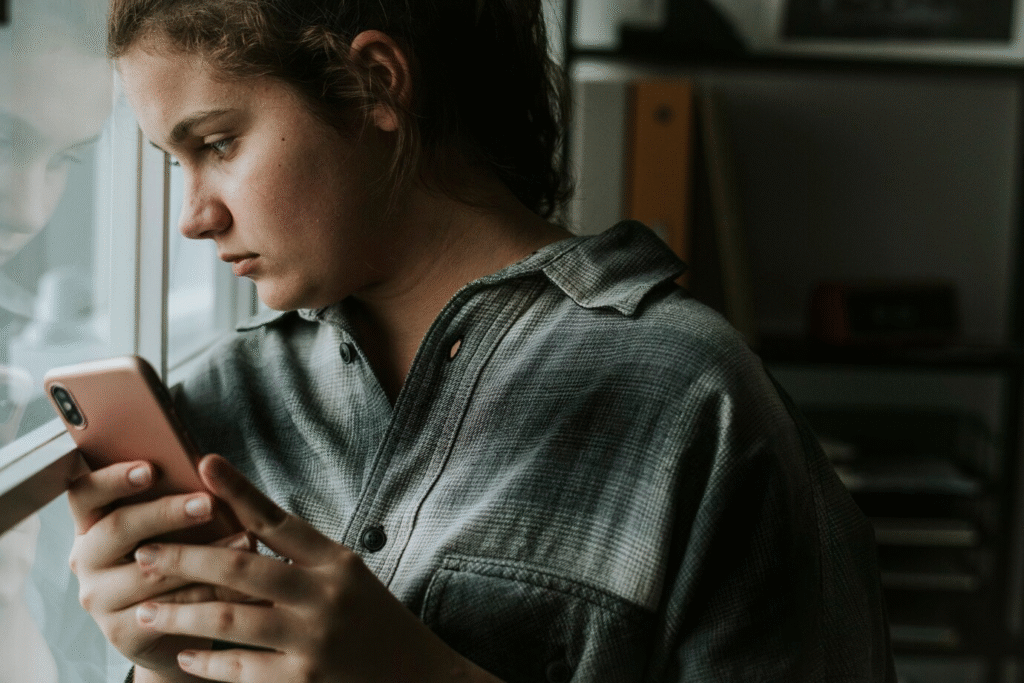
Understanding Teenage Anxiety in the Digital Age
Adolescence is a time of significant psychological and emotional development. As teenagers form their identity, social validation becomes increasingly important. Social media platforms amplify this need for approval, often leading to teenage anxiety due to online peer comparison, fear of missing out (FOMO), and cyberbullying.
The Role of Social Media in Amplifying Anxiety Symptoms
Most teenagers spend hours each day scrolling through Instagram, TikTok, or Snapchat. While this offers social engagement, it also leads to anxiety symptoms such as restlessness, low self-esteem, irritability, and sleep disturbances. Constant exposure to curated images of success, beauty, and popularity can make teens feel inadequate or excluded.
The “like” culture promotes an unhealthy dependence on external validation. When a teen posts content and it doesn’t receive the anticipated engagement, it can trigger feelings of rejection and worthlessness. Over time, these repeated experiences can contribute to anxiety disorder, a chronic condition marked by persistent worry and fear.
Common Causes of Social Media Anxiety in Teenagers
There isn’t one single reason why social media contributes to teenage anxiety—rather, it’s a combination of psychological, emotional, and social factors. Below are some of the most prevalent causes:
1. Social Comparison and Low Self-Esteem
Social comparison is one of the most damaging aspects of social media use among teens. Platforms often showcase only the highlights of people’s lives, creating unrealistic standards. When teens compare themselves to these curated personas, they may feel inadequate or flawed. This continuous comparison lowers self-esteem and triggers anxiety symptoms that affect both academic and social life.
2. Fear of Missing Out (FOMO)
FOMO is the anxiety that others might be having more fun or experiencing better things than you are. It’s intensified by social media posts showing friends attending parties, traveling, or succeeding in life. Teens often feel left out or disconnected, even if the posts they see are exaggerated or edited. FOMO is directly linked to anxiety disorder, particularly in teens with a heightened sensitivity to social exclusion.
3. Cyberbullying and Online Harassment
Unfortunately, the anonymity of the internet makes it a breeding ground for cyberbullying. Whether it’s name-calling, shaming, or harassment, cyberbullying has a devastating impact on adolescent mental health. Teens often suffer in silence, afraid to report abuse or block aggressors for fear of being labeled as oversensitive. Over time, cyberbullying fosters chronic stress, sadness, and anxiety disorder.
4. Addictive Behavior and Poor Sleep Hygiene
Many teens use social media late at night, scrolling endlessly through feeds. This not only reduces sleep duration but also impairs sleep quality. Blue light emitted from screens disrupts melatonin production, making it difficult for the brain to wind down. Sleep deprivation intensifies anxiety symptoms and weakens emotional regulation, creating a vicious cycle of stress and dependence on social media.
Psychological Impact of Social Media on Teen Mental Health
Emotional Dysregulation
Social media overuse affects brain development, particularly in areas responsible for emotional control. Teens may find it harder to regulate their emotions, leading to increased outbursts, sadness, or panic attacks. Seeking help from an anxiety psychotherapist in Fresno can offer cognitive and behavioral techniques to regain control over emotional responses.
Constant Need for Validation
The culture of likes, shares, and comments fosters a dependence on external approval. Over time, teens may begin to equate their self-worth with online engagement metrics. This dependency can damage self-confidence and increase susceptibility to anxiety disorder when validation is not achieved.
Overstimulation and Decision Fatigue
Social media bombards users with information—videos, texts, memes, and advertisements. This overstimulation overwhelms the teenage brain, leading to decision fatigue and increased mental clutter. In such a state, teens are more prone to anxiety symptoms, including trouble focusing, racing thoughts, and physical tension.
Strategies for Parents and Teens to Mitigate Social Media Anxiety
1. Set Healthy Boundaries
Encourage designated screen-free times, especially during meals and before bedtime. Creating tech-free zones helps promote face-to-face communication and improve sleep hygiene, reducing the likelihood of anxiety symptoms.
2. Promote Open Communication
Teens need to feel safe discussing their emotions. Open, judgment-free conversations can prevent mental health struggles from escalating. If a teen expresses overwhelming anxiety, parents should consider reaching out to an anxiety psychotherapist in Fresno for professional support.
3. Educate About Media Literacy
Teach teens to critically evaluate what they see online. Help them understand that most content is curated, edited, or filtered. Building media literacy reduces the chances of harmful comparison and teenage anxiety.
4. Encourage Offline Activities
Promote hobbies, sports, and social interaction outside the digital space. Physical activity and creative expression are proven to reduce anxiety disorder and boost mental resilience.
The Role of Schools and Communities
Educational institutions play a vital role in managing social media anxiety among teens. Implementing mental health programs, offering digital well-being workshops, and training teachers to identify signs of teenage anxiety can create a supportive environment. Community centers and local therapists, like those specializing in anxiety therapy, can provide crucial support networks.
When to Seek Professional Help
If your teen displays signs of chronic stress, isolation, academic decline, or persistent sadness, it’s essential to consult a mental health treatments professional. An experienced anxiety psychotherapist in Fresno can help identify underlying causes and develop a personalized treatment plan involving therapy, lifestyle changes, and coping mechanisms.
Signs You Shouldn’t Ignore
- Withdrawal from friends and family
- Insomnia or excessive sleeping
- Sudden drop in academic performance
- Irritability, restlessness, or panic attacks
- Expressing hopelessness or helplessness
Final Verdict
The intersection of social media and teenage mental health is complex but increasingly relevant. While social platforms offer valuable tools for communication, they also expose teens to psychological risks that can lead to anxiety symptoms, low self-esteem, and anxiety disorder. With guidance, open dialogue, and professional help, it’s possible to reverse these effects and promote healthier habits. Whether you’re a concerned parent or a struggling teen, reaching out to an anxiety psychotherapist in Fresno can be a transformative step toward recovery and emotional well-being.

