

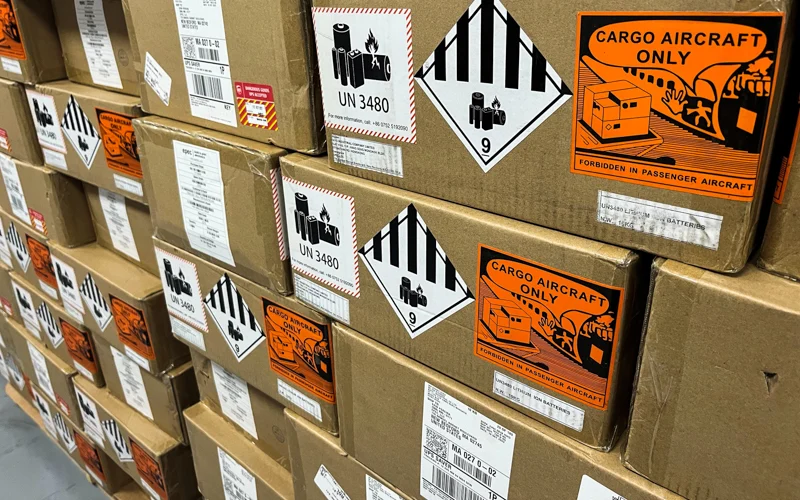
Why UN38.3 Certification Matters in Custom Battery Pack Development
When designing and manufacturing custom battery packs, safety is the top priority. One of the most important safety certifications for lithium-ion batteries is UN38.3. If you’re working with a company like Amicell Energy Systems Design & Manufacturing, you’ll want to make sure your battery packs meet this standard.
But what is UN38.3, and why does it matter? Let’s break it down in simple terms.
What is UN38.3 Certification?
UN38.3 is a set of safety tests required for lithium batteries before they can be shipped. These tests ensure that the batteries won’t catch fire, explode, or leak under different conditions like:
- Extreme temperatures (hot & cold)
- High altitude (air pressure changes)
- Vibration & shocks (like during transport)
- Short circuits
If a battery passes these tests, it gets the UN38.3 certification, meaning it’s safe for transport and use.
Why is UN38.3 Important for Custom Battery Packs?
1. Ensures Safety in Real-World Conditions
Batteries face tough environments—heat, cold, drops, and pressure changes. UN38.3 testing proves they can handle these without failing.
2. Required for Shipping & Transportation
Airlines, shipping companies, and international regulations demand UN38.3 certification. Without it, you can’t legally ship lithium batteries.
3. Prevents Accidents & Product Recalls
Faulty batteries can cause fires or explosions. Certification reduces risks, protecting both businesses and end-users.
4. Builds Trust with Customers
Businesses and consumers prefer certified batteries because they know they meet strict safety standards.
How Does UN38.3 Testing Work?
The certification process includes 8 key tests:
- Altitude Simulation – Checks if batteries can handle low air pressure (like in airplanes).
- Thermal Test – Exposes batteries to extreme hot and cold temperatures.
- Vibration Test – Simulates vibrations during transport.
- Shock Test – Mimics impacts and drops.
- External Short Circuit Test – Ensures no fire or explosion if wires touch accidentally.
- Impact & Crush Test – Checks if batteries survive physical damage.
- Overcharge Test – Verifies safety if overcharged.
- Forced Discharge Test – Tests performance under extreme discharge conditions.
Only batteries that pass all tests get certified.
Amicell Energy Systems Design & Manufacturing – A Trusted Battery Partner
If you need safe, reliable, and custom battery packs, Amicell Energy is a great choice. They specialize in designing and manufacturing high-quality battery solutions for different industries.
What Does Amicell Offer?
✅ Custom Battery Packs – Tailored for medical, military, industrial, and consumer devices.
✅ UN38.3 Certified Batteries – All their battery packs meet international safety standards.
✅ Advanced Battery Technology – They use top-quality materials for better performance.
✅ End-to-End Support – From design to production, they help clients get the best battery solutions.
Why Choose Amicell?
✔ Experienced Team – Experts in battery design and safety.
✔ Strict Quality Control – Every battery undergoes rigorous testing.
✔ Custom Solutions – They don’t just sell standard batteries; they build what you need.
Final Thoughts
If you’re developing a custom battery pack, UN38.3 certification is a must. It ensures safety, legal compliance, and reliability. Companies like Amicell Energy Systems Design & Manufacturing make it easier by providing certified, high-quality battery solutions tailored to your needs.
Before choosing a battery supplier, always check if they follow UN38.3 standards—because safety should never be compromised!
FAQs
1. Is UN38.3 certification mandatory?
Yes, for lithium batteries being shipped by air, sea, or road. Without it, transport is illegal.
2. How long does UN38.3 certification take?
Usually 2-4 weeks, depending on the battery type and testing lab.
3. Can a custom battery pack be UN38.3 certified?
Yes! Companies like Amicell Energy design custom battery packs that meet UN38.3 standards.
4. What happens if a battery fails UN38.3 testing?
It means the battery is unsafe for transport and must be redesigned or improved before retesting.
5. Does UN38.3 certification expire?
No, but if the battery design changes, it must be retested.
