The Future of Exhibition Printing: Trends to Watch in 2025
The exhibition printing industry in the UK is poised for significant transformation as we approach 2025. Advancements in digital printing technologies are enabling faster production times and greater customisation, allowing businesses to create personalised and engaging displays that resonate with diverse audiences. Additionally, the integration of interactive elements, such as augmented reality and QR codes, is enhancing visitor engagement by bridging the gap between physical exhibits and digital content.
Sustainability remains a critical focus within the industry. There is a growing emphasis on using eco-friendly materials and adopting waste reduction strategies to minimise environmental impact. For instance, the incorporation of recycled materials and energy-efficient lighting solutions in exhibition designs reflects a commitment to environmental responsibility. These trends not only align with global sustainability goals but also cater to the increasing consumer demand for environmentally conscious practices.
1. Embracing Sustainability
Sustainability is evolving from a trendy buzzword to a business requirement. UK companies are increasingly adopting eco-friendly practices in exhibition printing to meet both regulatory standards and consumer demand.
- Eco-Friendly Materials: The use of recycled papers, biodegradable substrates, and soy-based inks is becoming standard. These materials not only reduce environmental impact but also resonate with environmentally conscious attendees.
- Carbon-Neutral Printing: Investing in carbon offset initiatives and utilising renewable energy sources during the printing process helps companies achieve carbon neutrality, enhancing their corporate social responsibility profiles.
- Minimalist Packaging: Designing exhibition materials with minimal packaging reduces waste and promotes recyclability, aligning with the principles of a circular economy.
2. Dominance of Digital Printing
Digital printing continues to revolutionise exhibition materials by offering flexibility, efficiency, and high-quality outputs.
- High-Speed Innovations: Advancements in inkjet technology have significantly increased printing speeds, making digital printing more competitive with traditional offset methods.
- On-Demand Production: The ability to print smaller, customised batches on demand reduces inventory costs and minimises waste, allowing for more agile marketing strategies.
- Personalisation at Scale: Variable data printing enables mass customisation, allowing exhibitors to tailor materials to specific audiences, thereby enhancing engagement.
Table 1 below compares traditional printing methods with modern digital printing technologies:
| Feature | Traditional Printing | Digital Printing |
| Setup Time | High | Low |
| Customisation Options | Limited | Extensive |
| Waste Generation | High | Minimal |
| Cost for Short Runs | Expensive | Affordable |
| Turnaround Time | Longer | Fast |
Disclaimer: The table clearly shows that digital printing offers flexibility and efficiency that can be pivotal for businesses, especially when time and cost are of the essence.
3. Integration of Hybrid Printing Technologies
Combining traditional and digital printing methods offers a balanced approach, leveraging the strengths of both.
- Quality and Consistency: Hybrid systems maintain the high-quality output of traditional printing while incorporating the flexibility of digital methods.
- Versatility: This integration allows for a broader range of substrates and finishes, catering to diverse exhibition requirements.
4. Expansion of 3D Printing Applications
3D printing is making significant inroads into exhibition design, offering innovative solutions for displays and prototypes.
- Prototyping and Customisation: Exhibitors can create bespoke models and components, facilitating unique and interactive displays.
- Sustainable Solutions: Utilising recycled or biodegradable materials in 3D printing aligns with sustainability goals and reduces waste.
- Mass Production Potential: As technology advances, 3D printing is becoming more viable for larger production runs, offering cost-effective solutions for complex designs.
5. Integration of AI and Automation
Artificial intelligence and automation are streamlining the exhibition printing process, enhancing efficiency and reducing errors.
- Smart Workflows: AI-driven automation optimises layouts, colour matching, and error detection, resulting in faster turnaround times.
- Predictive Maintenance: Machine learning algorithms anticipate equipment maintenance needs, preventing downtime and ensuring consistent production.
- Dynamic Pricing Models: AI tools adjust pricing based on real-time data, allowing companies to remain competitive while managing costs effectively.
6. Augmented Reality (AR) and Interactive Printing
Integrating AR into printed materials offers immersive experiences, bridging the gap between physical and digital realms.
- Interactive Packaging: Incorporating scannable elements like QR codes or NFC tags can lead to multimedia content, enhancing attendee engagement.
- Educational and Promotional Materials: AR can transform brochures and flyers into interactive learning tools, providing deeper insights into products or services.
- Event Marketing Innovations: Utilising AR in invitations or event guides can create memorable experiences, encouraging higher participation rates.
7. Rise of Smart Packaging
Technology is used into smart packaging to improve usability and functionality.
- Functional Enhancements: Features like temperature indicators or freshness sensors add value, particularly in sectors like food and pharmaceuticals.
- Anti-Counterfeiting Measures: Embedding RFID chips and blockchain technology ensures product authenticity, safeguarding brand reputation.
- Consumer Engagement Strategies: Smart packaging can connect consumers to digital platforms, offering personalised content and fostering brand loyalty.
| Aspect | Conventional Packaging | Smart Packaging |
| Material Functionality | Basic protection | Interactive and secure |
| Authentication | Manual checks | Automated, blockchain-based |
| Consumer Engagement | Limited | High (with digital features) |
Disclaimer: Smart packaging not only adds value to the exhibition display but also enhances brand trust and customer loyalty.
8. Growth of UV and LED Printing
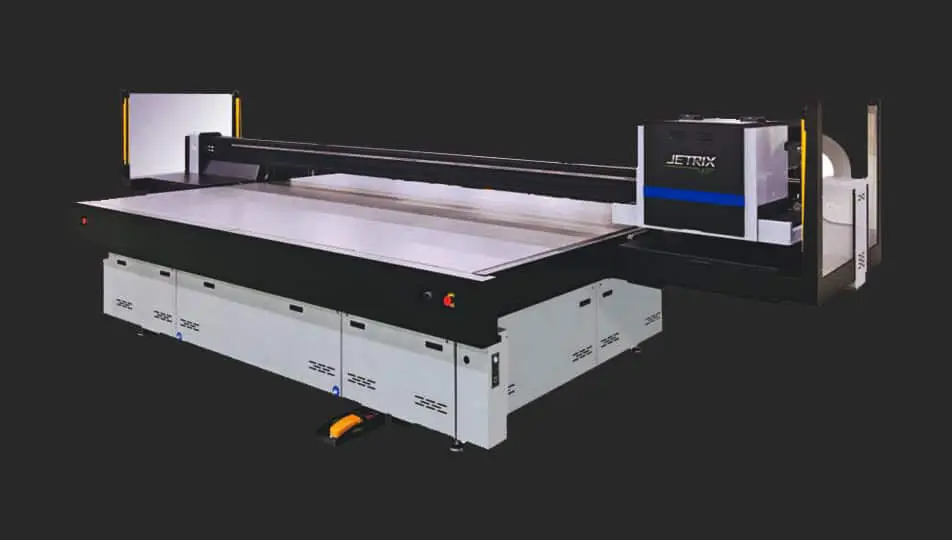
UV and LED curing technologies are gaining popularity due to their efficiency and versatility.
- Instant Drying Benefits: These technologies allow for immediate handling and finishing, reducing production time.
- Material Compatibility: They enable printing on a wide range of substrates, including non-traditional materials like metal and glass.
- Energy Efficiency: Lower energy consumption compared to conventional methods contributes to cost savings and environmental sustainability.
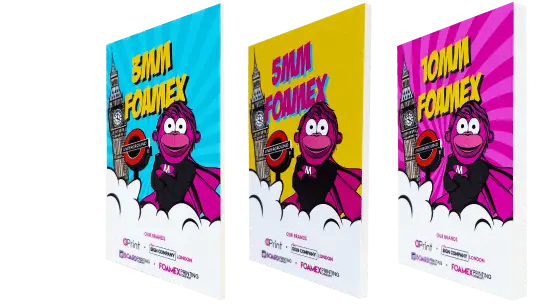
Foamex board, a high-quality PVC foam sheet, is renowned for its lightweight yet rigid structure, making it a preferred choice in the signage and display industry. Despite its name, Foamex board is not soft or foamy; instead, it boasts a smooth, non-porous surface that facilitates excellent print quality. This versatile material can be easily cut, bent, and shaped, allowing for customised designs and applications. Its durability and weather-resistant properties make it suitable for both indoor and outdoor use, offering businesses a cost-effective solution for creating impactful promotional materials.
Conclusion
The exhibition printing landscape in 2025 is characterised by rapid technological advancements and a strong emphasis on sustainability. For businesses in the UK, adapting to these trends is not just beneficial but essential for staying relevant and competitive. By embracing innovations such as digital and hybrid printing, 3D printing, AI integration, and AR, companies can create engaging and environmentally responsible exhibition materials. As a leader in the industry, Foamex Printing Company is committed to providing cutting-edge solutions that align with these emerging trends, ensuring that your exhibition displays are both impactful and sustainable.