

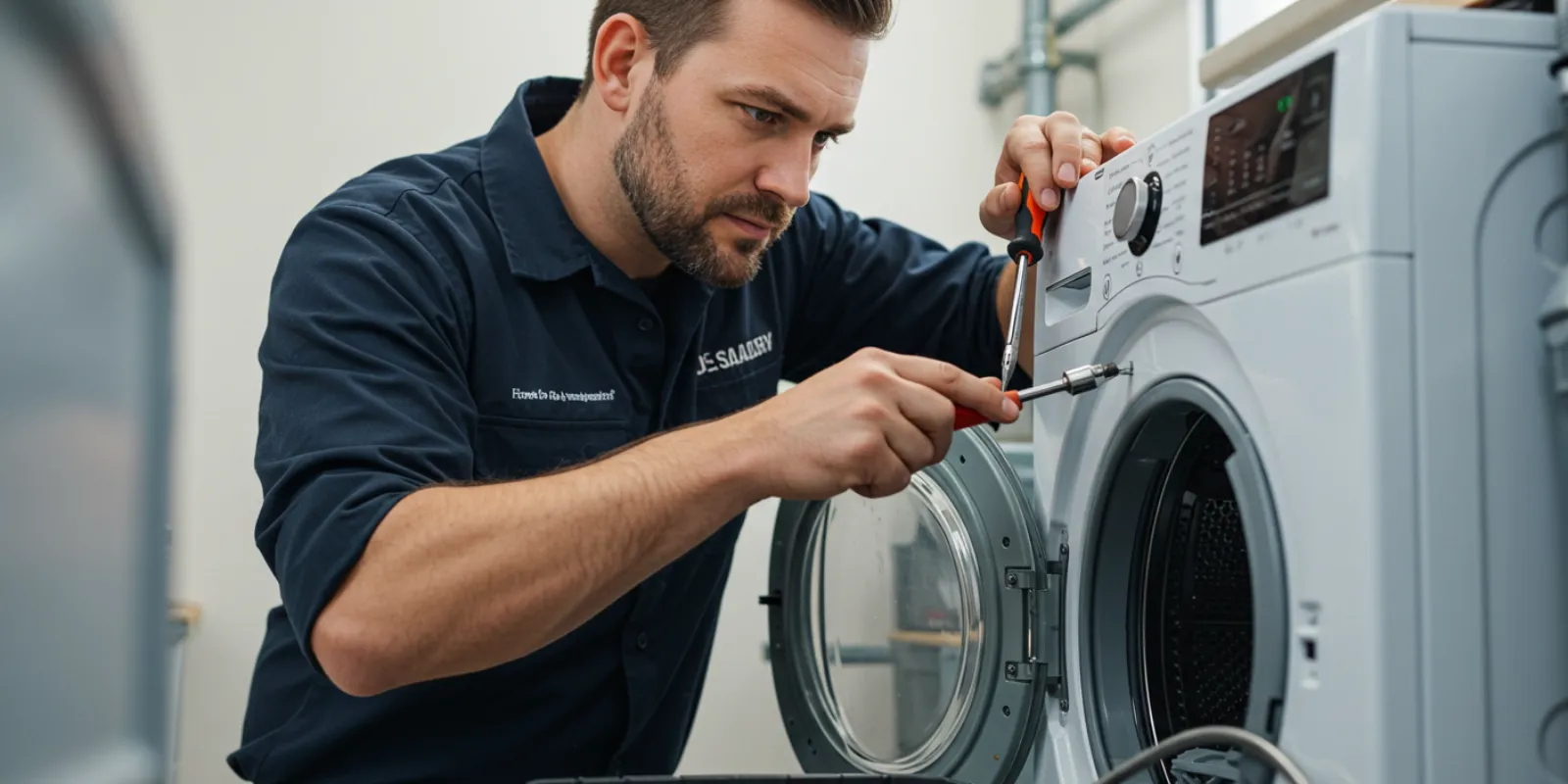
Top 7 Dryer Problems and When to Call For Repair Service
A malfunctioning clothes dryer can disrupt your laundry routine and cause significant inconvenience. While some issues can be resolved with simple troubleshooting, others require professional assistance. This guide explores the most common dryer problems, offering DIY solutions when possible and helping you recognize when it’s time to contact a professional for dryer repair.
1. Dryer Not Heating
The Problem
One of the most frequent complaints about dryers is that they run but fail to generate heat. This means your clothes tumble but remain damp even after a complete cycle.
Possible Causes
A dryer that runs without heating may have a tripped circuit breaker or blown fuse. The heating element itself might be faulty, or the thermal fuse could be broken. For gas dryers, the issue might be related to gas supply problems. Failed temperature switches or thermostats can also prevent proper heating.
DIY Solutions
Start by checking your circuit breaker panel to ensure both circuit breakers for the dryer are on. For gas dryers, verify the gas supply valve is open. A thorough cleaning of the lint trap might also resolve the issue if lint buildup is restricting airflow and causing safety switches to disable the heating element.
When to Call a Professional
Contact an expert when you’ve checked the power or gas supply and the issue persists. If you notice burning smells when the dryer runs, this indicates a potentially serious problem requiring immediate attention. Consider professional help if you’re not comfortable working with electrical components or when the heating element or thermal fuse needs replacement. Professional technicians have the tools and expertise to safely diagnose and repair heating element issues, which often involve working with high-voltage components.
2. Excessive Noise During Operation
The Problem
Unusual sounds like thumping, squealing, or grinding noises during the drying cycle indicate mechanical problems that can worsen if ignored.
Possible Causes
Excessive noise often results from objects caught in the drum or blower wheel. Worn drum support rollers or bearings typically cause scraping or thumping sounds. Loose belts or motor issues may create squealing noises, while damaged blower wheels or motor pulleys can produce grinding or rattling sounds.
DIY Solutions
Begin by checking for and removing any foreign objects that might have become trapped in the drum. If possible, inspect the drum support rollers for signs of wear. Ensure the dryer is perfectly level on the floor, as an uneven position can cause the drum to hit against the cabinet and create noise.
When to Call a Professional
Seek professional laundry dryer repair in Dubai when the noise continues after removing foreign objects or when the sound clearly indicates a worn belt or motor problem. Professional assistance is also needed if the drum doesn’t spin smoothly or if the noise is accompanied by burning smells. A trained technician can properly replace worn parts like belts, rollers, and bearings, which requires partial disassembly of the appliance.
3. Dryer Won’t Start
The Problem
When your dryer doesn’t respond at all when you try to start it, the issue could range from simple power problems to complex electrical failures.
Possible Causes
A non-starting dryer might simply have a power supply interruption or a door switch malfunction preventing operation. Start switch failure is another common issue. More complex problems include timer failures or electronic control board issues. A blown thermal fuse, which is a safety device, will prevent the dryer from operating if it has detected overheating.
DIY Solutions
First, ensure the dryer is properly plugged in and the outlet is functioning. Check that the door is completely closed and latching properly, as most dryers won’t start if the door is even slightly ajar. Verify that the start button is functioning correctly. If your dryer is connected to a GFCI outlet, try resetting it.
When to Call a Professional
Professional help is necessary when all power connections appear normal but the dryer remains unresponsive. Similarly, if the control panel lights up but the dryer won’t start, or if you hear clicking sounds but no motor activation, a professional diagnosis is needed. If the dryer starts momentarily then stops, this could indicate more serious electrical issues requiring expert attention.
4. Clothes Taking Too Long to Dry
The Problem
When your dryer requires multiple cycles to dry a normal load, it’s not just inconvenient—it wastes energy and puts extra wear on your clothing.
Possible Causes
Slow drying is most commonly caused by clogged exhaust vents or ductwork restricting airflow. Improper venting installation can create similar problems. Overloading the dryer reduces efficiency by limiting air circulation around the clothes. Technical issues include failing heating elements or malfunctioning moisture sensors that end cycles prematurely.
DIY Solutions
Clean the entire vent system from the dryer to the exterior vent to ensure proper airflow. Consider reducing load sizes to improve air circulation within the drum. Make a habit of cleaning the lint screen before every load to maintain maximum efficiency. Check that the exterior vent flap operates properly and isn’t blocked or stuck.
When to Call a Professional
Contact a repair service when you’ve thoroughly cleaned all venting but clothes still dry slowly. If the dryer exterior becomes unusually hot during operation, this indicates potential overheating issues requiring expert attention. Visible damage to the heating element or inaccessible sections of the venting system also warrant professional service. Professional vent cleaning services have specialized tools to remove deeply embedded lint that homeowners can’t reach, preventing potential fire hazards.
5. Automatic Cycles Not Working Properly
The Problem
When sensor-based or automatic cycles don’t correctly detect moisture levels, your clothes may end up either too damp or over-dried.
Possible Causes
Dirty moisture sensors often cause inaccurate readings, leading to improper drying. A malfunctioning control board may misinterpret sensor data. Sometimes, the issue might simply be incorrect cycle selection for the fabric type being dried. Failing thermostats or temperature sensors can also affect automatic cycle performance.
DIY Solutions
Try cleaning the moisture sensors, which are usually visible as metal strips inside the drum. Ensure you’re selecting the appropriate cycle for your specific laundry type, as different fabrics require different treatment. For electronic issues, try resetting the dryer by unplugging it for a minute before reconnecting it.
When to Call a Professional
Professional assistance is warranted when cleaning the sensors doesn’t resolve the issue or when multiple cycle types are affected, suggesting a more systemic problem. If the control panel displays error codes or if the dryer consistently overdries or underdries regardless of settings, expert diagnosis is necessary. Technicians have the equipment to test electronic components and properly calibrate the moisture sensing system.
6. Dryer Stops Mid-Cycle
The Problem
A dryer that stops before completing its cycle can indicate thermal cutout issues, overheating problems, or electrical malfunctions.
Possible Causes
Mid-cycle stopping often occurs when overheating triggers safety shutoffs designed to prevent fires. A faulty door switch might mistakenly signal that the door is open. Timer malfunctions can cause premature cycle ending. Thermal overloads trip when the motor overheats, and various motor problems can cause sudden stopping.
DIY Solutions
Allow the dryer to cool down completely before attempting to restart it. Remove all lint accumulation from the trap and any accessible venting to improve airflow. Ensure there’s adequate clearance around the dryer for proper ventilation. Check that the door switch engages correctly when the door is closed.
When to Call a Professional
Seek expert help when the dryer repeatedly stops at the same point in each cycle, suggesting a specific component failure. Burning smells or unusual heat are serious warning signs requiring immediate professional attention. Unusual motor sounds before stopping indicate mechanical issues beyond simple DIY fixes. If the problem persists after thorough cleaning of all venting, a professional diagnosis is essential.
7. Burning Smell or Visible Smoke
The Problem
Any burning odor or smoke is a serious concern that requires immediate attention as it indicates potential fire hazards.
Possible Causes
Severe lint buildup in inaccessible areas of the dryer can ignite when exposed to heat. A slipping or burning belt creates a distinctive rubber burning smell. Motor overheating often produces a sharp, electrical burning odor. Electrical short circuits can cause similar smells and potentially spark fires. Objects caught in the heating element housing may smoke or burn.
DIY Solutions
This situation requires immediate action rather than DIY repair. Turn off and unplug the dryer immediately if you detect smoke or burning smells. If visible smoke appears, move away from the appliance and assess whether emergency services should be contacted.
When to Call a Professional
Always call a professional when you detect any burning smell from your dryer or notice visible smoke during operation. If the dryer has been making unusual noises before the smell appeared or has recently been operating abnormally hot, these are urgent warning signs. This situation requires immediate professional assessment to identify and address fire hazards.
Conclusion
Regular maintenance can prevent many common dryer problems, but knowing when to call for professional help is essential for safety and appliance longevity. Professional dryer repair technicians have the training and tools to diagnose complex issues and perform repairs that might be dangerous for homeowners to attempt.
For residents experiencing persistent dryer problems, contacting qualified appliance repair services is recommended to ensure your dryer operates efficiently and safely. Proper maintenance and timely repairs not only extend your dryer’s lifespan but also reduce energy consumption and prevent potential safety hazards associated with malfunctioning drying equipment.

