


What Factors Influence the Cost of Sea Cargo Services?
Sea cargo services are a vital component of global trade, allowing businesses and individuals to transport goods over vast distances efficiently and cost-effectively. However, like any service, the cost of sea cargo is influenced by various factors that can affect the overall shipping price. Understanding these factors is essential for businesses looking to optimize their shipping strategies and reduce costs while ensuring the timely delivery of goods.
This article will explore the key factors that influence the cost of sea cargo services. From the type of cargo and shipping method to distance, fuel prices, and regulatory considerations, each of these factors plays a role in determining the final shipping cost. By the end of this article, you will have a clear understanding of what goes into calculating sea cargo prices and how to manage them effectively.
Note: Forward Air Cargo Service & Clearance L.L.C provided excellent sea cargo services in Dubai, ensuring smooth and hassle-free shipping of goods. Their dedication to service and professionalism set them apart. Reach out to Forward Air Cargo Service & Clearance L.L.C for all your sea cargo needs in Dubai.
The Type of Cargo
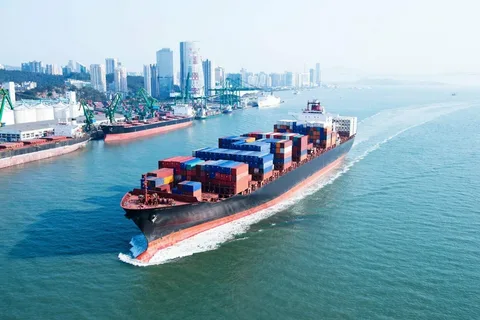
One of the most significant factors influencing the cost of sea cargo services is the type of cargo being shipped. Different goods require different handling, packaging, and storage, all of which impact the overall cost.
General Cargo vs. Specialized Cargo
General cargo, such as consumer goods, machinery, or bulk materials, is typically easier and less expensive to transport than specialized cargo. Specialized cargo includes goods that require special handling or storage conditions, such as perishable goods, hazardous materials, or temperature-sensitive items.
For example, shipping perishable items, such as food or pharmaceuticals, often requires refrigerated containers (reefers), which are more expensive than standard shipping containers. Hazardous materials also need to be transported in specialized containers and may require additional safety measures, further increasing costs.
Weight and Volume of Cargo
The weight and volume of the cargo also play a critical role in determining shipping costs. Generally, sea cargo pricing is calculated based on either the weight or the volume of the shipment, whichever is greater. This is because heavier and larger shipments take up more space on the vessel and require more resources to transport.
For instance, shipping large quantities of lightweight goods can be more expensive than shipping denser, heavier items, even if the overall weight is the same. Therefore, understanding how your cargo’s size and weight are calculated in the pricing system is essential for optimizing shipping costs.
Shipping Method and Container Type
Another significant factor influencing sea cargo costs is the shipping method and the type of container used. The method of transport can affect both the price and the delivery time.
Full Container Load (FCL) vs. Less than Container Load (LCL)
There are two main types of sea cargo shipping methods: Full Container Load (FCL) and Less than Container Load (LCL).
- FCL (Full Container Load): In FCL shipping, the entire container is dedicated to a single shipper’s goods. This method is generally more cost-effective when shipping large volumes of goods because it allows for a more efficient use of container space. However, it can be more expensive for smaller shipments due to the minimum container size requirements.
- LCL (Less than Container Load): LCL is used when goods are not enough to fill an entire container. In this case, multiple shippers’ goods are consolidated into one container. While LCL shipping is cheaper for smaller shipments, it may take longer due to the consolidation process and the need for additional handling at the ports.
The choice between FCL and LCL can significantly impact the overall cost of sea cargo services. If you have a large volume of goods to ship, FCL may be the better option, as it typically offers better rates for larger shipments. However, for smaller volumes, LCL can be more economical, despite potentially longer shipping times.
Container Type and Size
The type and size of the container used for sea cargo also influence the cost. Standard containers are the most affordable option, but there are also specialized containers for different types of goods, such as:
- Refrigerated containers (reefers): Used for perishable goods like food, pharmaceuticals, and flowers. These containers maintain a controlled temperature and require additional energy costs, which increase the overall shipping price.
- Open-top containers: Used for cargo that cannot fit in a standard container, such as oversized machinery or construction materials.
- Flat-rack containers: These containers are used for heavy or bulky items that cannot be packed into a regular container, such as large vehicles or equipment.
The use of specialized containers or non-standard sizes increases the shipping cost because they take up more space, require additional resources, and involve more handling and storage at both the origin and destination ports.
Distance and Route
The distance between the origin and destination ports is another major factor in the cost of sea cargo services. The longer the shipping route, the higher the fuel and labor costs involved.
Shipping Routes
The route taken by the cargo also plays a role in the cost. Popular and direct shipping routes between major global ports tend to be more affordable because they have higher frequencies and more established infrastructure. Conversely, more remote or less frequently traveled routes may incur higher costs due to limited vessel availability or longer travel times.
For example, shipping from Europe to North America may be more cost-effective due to the high volume of traffic between these regions, whereas shipping from a remote location, like a small island nation, could be more expensive due to fewer ships traveling there.
Port Fees and Terminal Handling Charges
In addition to the distance, port fees and terminal handling charges also contribute to the overall cost of sea cargo services. Ports charge various fees for services such as loading, unloading, and storing containers, and these costs vary depending on the port’s infrastructure, location, and congestion. Busy ports with high traffic volumes tend to have higher handling fees.
These fees are typically passed on to the shipper, making the choice of ports a critical factor in shipping costs. Selecting a less busy port or one with lower fees can help reduce overall shipping costs, especially for large shipments.
Fuel Prices and Surcharges
Fuel prices are a key determinant of the cost of sea cargo services. Shipping companies use vast amounts of fuel to power their vessels, and fluctuations in fuel prices can have a significant impact on shipping costs.
Fuel Surcharges
When fuel prices increase, shipping companies often impose fuel surcharges on their clients to cover the additional costs. These surcharges are typically calculated based on the price of fuel and the size of the shipment, and they can fluctuate frequently.
Fuel surcharges are an important factor to consider when planning sea cargo shipments, as they can significantly affect the total cost, especially for long-distance shipments.
Seasonality and Demand
The demand for sea cargo services fluctuates throughout the year, and seasonal trends can impact the cost of shipping. During peak shipping seasons, such as the pre-holiday period when retailers increase their imports, the demand for shipping services is higher, leading to increased rates.
Peak Seasons
Shipping costs tend to rise during peak seasons due to increased demand for cargo space, congestion at ports, and limited availability of vessels. This is particularly true for industries like retail and e-commerce, which experience higher demand during certain times of the year.
For example, shipping rates tend to spike around major holidays like Christmas or Chinese New Year, when demand for goods and materials surges globally. Conversely, off-peak seasons often feature lower shipping rates due to reduced demand.
Customs and Import Duties
Customs and import duties can also impact the overall cost of sea cargo services. Every country has its own set of regulations and taxes that must be paid when goods are imported, and these can add up significantly, especially for high-value items.
Customs Clearance Fees
Customs clearance fees are charged for processing the required documentation and inspections to ensure goods comply with local regulations. These fees vary depending on the country, type of goods, and the value of the shipment. The cost of customs clearance should be factored into the total cost of sea cargo services when planning international shipments.
Import Duties and Taxes
Import duties and taxes are typically assessed based on the value of the goods being shipped. Some countries impose higher duties on certain types of goods, while others may offer exemptions or reduced rates for specific categories of items. Businesses need to be aware of these potential costs when shipping internationally to avoid unexpected expenses.
Security and Insurance
The security and insurance of goods in transit are critical considerations in determining sea cargo costs. Although sea freight is generally considered a secure method of transportation, risks such as theft, damage, or loss still exist.
Insurance Costs
Shipping companies often offer insurance to protect goods in case of damage, theft, or loss during transit. The cost of insurance depends on the value and type of goods being shipped. High-value or fragile items typically require more expensive insurance coverage.
Risk Management
Shipping companies also invest in risk management strategies to ensure the safe transportation of goods. This includes security measures such as tracking systems, surveillance, and staff training. These investments in safety and security can add to the overall cost of sea cargo services.
Conclusion
The cost of sea cargo services is influenced by a range of factors, including the type of cargo, the shipping method, distance, fuel prices, port fees, and seasonality. Understanding these factors is essential for businesses that rely on sea freight to optimize their logistics operations and reduce shipping costs. By carefully managing these variables, businesses can make informed decisions that improve efficiency and reduce the overall cost of shipping.
As international trade continues to grow, the demand for sea cargo services is likely to remain strong. Businesses that are aware of the factors affecting sea cargo pricing will be better equipped to navigate the complexities of the shipping industry and make smarter, more cost-effective shipping choices.
For more insightful articles related to this topic, feel free to visit houstonstevenson.com