Transform Your Space with Trim & Moulding: The Ultimate Guide
When it comes to home design, many homeowners focus on paint colors, furniture, or flooring as the big game changers. While those elements are important, there’s one detail that can instantly elevate the look of any room without a full remodel: trim and moulding. These architectural accents may seem like small touches, but they carry tremendous power to define your space, add value to your home, and express your personal style.
In this guide, we’ll explore what trim and moulding are, the different types available, why they’re such an impactful design choice, and how to choose the right style for your home.
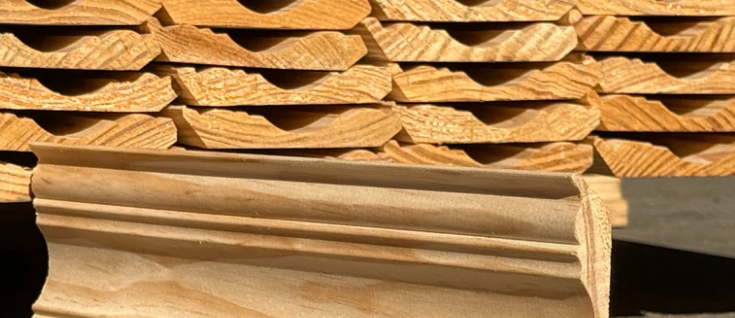
What Is Trim & Moulding?
Trim and moulding refer to the decorative millwork installed along walls, ceilings, doors, and windows. Their primary purposes are to hide transitions or gaps between surfaces, protect walls from damage, and enhance the visual design of a space.
While the terms are often used interchangeably, there’s a slight difference:
- Trim generally refers to the practical finishing pieces, like baseboards, casings, or chair rails.
- Moulding often denotes the more decorative and ornate features, like crown moulding or wainscoting.
Together, trim and moulding add structure, proportion, and elegance to any room.
Why Trim & Moulding Matter in Home Design
1. Enhances Architectural Character
Bare walls and ceilings can feel flat. Trim and moulding create depth, definition, and architectural personality. A simple crown moulding can make a standard room feel polished, while detailed panel moulding transforms a plain wall into a statement feature.
2. Adds Value to Your Home
Buyers often notice the finishing details. High-quality trim and moulding signal craftsmanship, care, and timeless appeal. They’re relatively affordable upgrades compared to major renovations, yet they can dramatically influence how a home is perceived.
3. Hides Imperfections
Trim is excellent for concealing gaps where walls meet floors, ceilings, doors, and windows. It creates smooth transitions, making your home look more finished and intentional.
4. Customizes Style
Whether you love a classic, modern, rustic, or luxurious look, trim and moulding can match your vision. From sleek, minimalist lines to ornate Victorian profiles, you can adapt millwork to reflect your taste.
Common Types of Trim & Moulding
There are many styles and profiles available, but here are some of the most popular options:
Baseboards
Installed where the wall meets the floor, baseboards are one of the most common trim elements. They protect walls from scuffs and create a polished edge. Styles range from simple boards to detailed profiles with curves or grooves.
Crown Moulding
Perhaps the most iconic, crown moulding is installed where walls meet the ceiling. It can be subtle or elaborate, adding elegance and height to a room. Even modest crown moulding creates an impression of refinement.
Door & Window Casings
Casings frame doors and windows, covering gaps and creating crisp outlines. They can be simple flat boards or decorative profiles with layers and curves.
Chair Rails
Chair rails run horizontally along the wall, usually about one-third up from the floor. Originally designed to prevent chairs from scuffing walls, today they’re often used decoratively, sometimes combined with wainscoting.
Wainscoting & Panel Moulding
These add visual texture to walls by incorporating raised panels, beadboard, or moulded frames. Wainscoting is especially popular in dining rooms, hallways, and stairways for its classic, high-end look.
Picture Rails
Placed higher on the wall, picture rails were once used to hang artwork without damaging plaster walls. Now, they’re a charming architectural detail that adds vintage character.
Ceiling Beams & Coffered Ceilings
Though more substantial, ceiling trim and moulding—such as exposed beams or coffered patterns—create drama and luxury in living rooms or studies.
Materials Used for Trim & Moulding
Trim and moulding come in a variety of materials, each with unique benefits:
- Wood: The traditional choice, available in hardwoods like oak, maple, or softwoods like pine. Offers natural beauty but may require more upkeep.
- MDF (Medium-Density Fiberboard): A budget-friendly option that paints well and is smooth, but not as durable in humid areas.
- PVC or Polyurethane: Lightweight, resistant to moisture, and great for bathrooms, kitchens, or exteriors.
- Plaster: Used historically for intricate mouldings, still an option for highly ornate or custom designs.
Choosing the Right Trim & Moulding for Your Home
1. Match Your Home’s Architecture
A Craftsman-style home often looks best with simple, straight trim, while a Victorian-inspired house calls for ornate mouldings. Matching trim to the architectural era ensures harmony.
2. Consider Room Size & Ceiling Height
Large, tall rooms can handle wide, detailed mouldings. Smaller rooms benefit from simpler, thinner profiles that don’t overwhelm the space.
3. Color Choices
White or off-white trim is timeless and versatile, but darker trim can add bold contrast. Stained wood trim brings warmth and richness, especially in rustic or traditional homes.
4. Budget & Maintenance
High-end hardwoods offer unmatched beauty, but MDF or PVC may be more cost-effective and low-maintenance for high-traffic or humid areas.
DIY vs. Professional Installation
Some homeowners choose to install trim themselves, especially baseboards or simple casings. With basic carpentry tools, DIY can save money. However, detailed mouldings or custom designs often require the precision of a professional. Misaligned corners or gaps can distract from the beauty of the material. Hiring an experienced installer ensures seamless joints and a flawless finish.
Design Inspiration: Creative Uses for Trim & Moulding
- Accent Walls: Use panel moulding to create a grid or geometric pattern on a feature wall.
- Two-Tone Walls: Pair a chair rail with different paint or wallpaper colors above and below.
- Layered Crown Moulding: Stack multiple moulding profiles for a dramatic, luxurious ceiling transition.
- Framed Art Effect: Install picture-frame moulding directly on walls to mimic built-in artwork.
- Ceiling Detail: Add coffered ceilings or beadboard inserts for dimension and sophistication.
Maintenance Tips
To keep your trim and moulding looking fresh:
- Dust and wipe regularly with a soft cloth.
- Repaint or re-stain when finishes fade or chip.
- Repair dents or scratches promptly—wood filler works wonders on small imperfections.
- In humid areas, check for swelling or warping, especially with wood or MDF.
Final Thoughts
Trim and moulding may not be the first feature you think of when designing or remodeling your home, but they’re often the detail that ties everything together. They enhance architecture, increase home value, and allow you to express your personal style with subtlety or boldness.
Whether you choose elegant crown moulding, practical baseboards, or decorative wall panels, trim and moulding can turn an ordinary room into an extraordinary one. By selecting the right styles, materials, and installation approach, you’ll create a timeless backdrop that elevates every space in your home.
Whether you choose elegant crown moulding, practical baseboards, or decorative wall panels, trim and moulding can turn an ordinary room into an extraordinary one. With guidance and inspiration from texasvjoint, by selecting the right styles, materials, and installation approach, you’ll create a timeless backdrop that elevates every space in your home.