

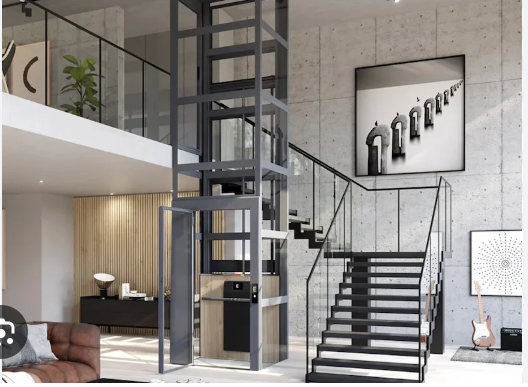
Home Elevator Design Options: From Classic to Contemporary
Home elevators have evolved far beyond their utilitarian origins. What once served purely as accessibility solutions now represent sophisticated design elements that can enhance both the functionality and aesthetic appeal of your home. Whether you’re building a new multi-story residence or retrofitting an existing property, understanding your design options will help you create an elevator that seamlessly integrates with your home’s architecture and personal style.
Modern residential elevators offer an impressive array of customization possibilities, from traditional wood finishes that complement classic interiors to sleek glass panels that make a contemporary statement. The right design choice can transform what might otherwise be viewed as purely functional equipment into a stunning focal point that adds value to your property.
This comprehensive guide explores the various design options available for home elevators, helping you navigate the choices between different cab materials, lighting solutions, control systems, and architectural integration approaches. By the end, you’ll have a clear understanding of how to select design elements that align with both your practical needs and aesthetic preferences.
Traditional Design Elements
Wood Finishes and Classic Details
Wood remains one of the most popular choices for home elevator design options, offering warmth and timeless elegance. Oak, cherry, maple, and walnut are frequently selected for their durability and rich grain patterns. These materials can be stained to match existing hardwood floors or custom millwork throughout your home.
Traditional elevator designs often incorporate raised panel details, crown molding, and brass or bronze fixtures. Chair rails and wainscoting can add architectural interest while protecting the cab walls from daily wear. For homes with period architecture, these classic elements help the elevator feel like an original part of the design rather than a modern addition.
Carpet and Fabric Options
Residential elevators can accommodate various flooring materials, including carpet that matches your home’s existing selections. Berber, plush, and low-pile carpets work particularly well in elevator applications. Some homeowners choose decorative area rugs with non-slip backing for added comfort and style.
Fabric wall coverings offer another traditional approach, with options ranging from subtle textures to bold patterns. Vinyl-backed fabrics designed for commercial use provide durability while maintaining residential aesthetics.
Contemporary and Modern Styles
Sleek Metal Finishes
Stainless steel, brushed aluminum, and powder-coated metal panels create clean, modern appearances that complement contemporary architecture. These materials reflect light beautifully and require minimal maintenance while providing excellent durability.
Some manufacturers offer colored metal finishes, allowing you to match specific design schemes or create striking accent walls. Textured metal surfaces can add visual interest without compromising the sleek, modern aesthetic.
Glass Panel Integration
Glass elements can make small elevator cabs feel more spacious while creating visual connections between floors. Options include clear glass panels, frosted or etched designs, and even colored glass that complements your home’s color palette.
Safety considerations are paramount with glass installations, requiring tempered or laminated glass that meets building codes. Professional installation ensures proper support and weatherproofing for long-term performance.
Lighting Design Solutions
LED Technology Benefits
Modern LED lighting systems offer numerous advantages for home elevators, including energy efficiency, long lifespan, and design flexibility. LED strips can be integrated into handrails, ceiling perimeters, or floor edges to create dramatic lighting effects.
Color-changing LED systems allow you to adjust the elevator’s ambiance to match different moods or occasions. Warm white lighting creates a cozy atmosphere, while cooler temperatures provide crisp, modern appeal.
Natural Light Integration
For elevators positioned along exterior walls, incorporating natural light through windows or skylights can create stunning effects. Proper weatherproofing and security considerations are essential for these installations.
Interior glass walls or doors can allow natural light from adjacent rooms to illuminate the elevator shaft, reducing the need for artificial lighting during daytime hours.
Control Panel and Technology Options
Smart Home Integration
Advanced control systems can integrate with existing smart home platforms, allowing you to operate your elevator through smartphone apps or voice commands. These systems can also provide maintenance alerts and usage statistics.
Touchscreen control panels offer intuitive operation and can display custom graphics, family photos, or even weather information. Some systems include intercom capabilities for communication between floors.
Traditional vs. Digital Displays
Classic elevator designs often feature traditional brass or chrome buttons with floor indicators. These timeless elements work particularly well in homes with vintage or transitional design themes.
Digital displays provide clear floor indicators and can show additional information such as time, temperature, or system status. Some models offer customizable display colors to match your design preferences.
Space Planning and Integration
Shaft Design Considerations
The elevator shaft itself presents design opportunities beyond the cab interior. Decorative shaft doors at each floor can incorporate glass panels, custom wood designs, or architectural details that complement your home’s existing trim work.
Some installations feature open shaft designs with decorative railings or metal screens that allow views of the elevator mechanism, creating an industrial or contemporary aesthetic.
Multi-Floor Accessibility
When planning elevator stops for multiple floors, consider how the design elements will appear from different vantage points. Consistent materials and finishes throughout the shaft create a cohesive appearance, while varied elements can highlight specific floors or functions.
Landing areas should complement the elevator design while meeting safety requirements for clear floor space and proper lighting.
Budget-Friendly Customization Options
DIY-Friendly Upgrades
Several design elements can be updated or customized after installation without major reconstruction. Wall coverings, lighting fixtures, and flooring materials often qualify as DIY projects for handy homeowners.
Removable panels allow for future design changes without permanent modifications to the elevator structure. This flexibility proves valuable as design preferences evolve over time.
Phased Implementation
You can implement design upgrades in phases, starting with basic functionality and adding decorative elements over time. This approach allows you to spread costs while ensuring the elevator meets immediate accessibility needs.
Priority should be given to structural elements that cannot be easily changed later, such as cab size, door configurations, and major electrical systems.
Maintenance and Durability Factors
Material Selection Impact
Design choices significantly impact long-term maintenance requirements. High-gloss finishes may show fingerprints more readily than textured surfaces, while natural materials like wood require periodic refinishing to maintain their appearance.
Stainless steel and powder-coated metals typically require only regular cleaning with appropriate products, making them excellent choices for low-maintenance installations.
Cleaning Considerations
Elevator interiors require regular cleaning, so material selections should accommodate routine maintenance. Avoid materials that stain easily or require special cleaning products that might not be readily available.
Consider how different family members will use the elevator and choose materials that can withstand daily wear while maintaining their aesthetic appeal.
Making Your Design Dreams Reality
Selecting the perfect design elements for your home elevator requires balancing aesthetic preferences with practical considerations such as maintenance, budget, and long-term durability. Start by evaluating your home’s existing architectural style and identifying design themes that will create a cohesive appearance.
Work with experienced elevator professionals who can guide you through the technical aspects of your design choices while ensuring all safety requirements are met. Many manufacturers offer design consultation services to help visualize different options before making final decisions.
Remember that your home elevator will serve your family for many years, so invest in quality materials and timeless design elements that will continue to provide satisfaction long after installation. With careful planning and attention to detail, your elevator can become a beautiful and functional addition that enhances both your home’s value and your daily living experience.