Customized Furniture: Designing Spaces with a Personal Touch
When it comes to home or office interiors, furniture plays a key role in shaping the ambiance, functionality, and overall look of the space. While ready-made furniture is widely available and convenient, it often lacks the uniqueness and personal touch many homeowners and businesses desire. This is where customized furniture comes into the picture.
Customized furniture, often referred to as bespoke or tailor-made furniture, allows you to design every aspect of your furniture piece—from size, shape, and material to style, color, and finish. It provides complete control over the creative process, ensuring that the final product reflects your personality, complements your space, and meets your functional requirements.
In this article, we’ll explore everything about customized furniture—its advantages, design ideas, materials, costs, maintenance tips, and more—so you can make informed decisions and create furniture pieces that stand out.
Why Choose Customized Furniture Over Ready-Made Furniture?
Before diving deeper, let’s address the big question: Why invest in custom furniture when you can walk into a furniture store and buy something ready-made?
The answer lies in personalization, quality, and functionality. Unlike mass-produced furniture, customized pieces are designed specifically for your space and lifestyle needs. Here are some key benefits:
1. Perfect Fit for Your Space
Not all spaces are the same. Some homes have compact rooms, awkward corners, or unconventional layouts where standard furniture doesn’t fit well. With customized furniture, you can design pieces that perfectly match your space dimensions, ensuring optimal usage without compromising aesthetics.
2. Total Design Flexibility
From choosing the material and finish to deciding the shape and style, customization offers complete creative freedom. Whether you prefer sleek modern designs, classic vintage charm, or bold statement pieces, you get exactly what you envision.
3. Quality and Durability
Customized furniture is often made with high-quality materials and superior craftsmanship. Unlike factory-made pieces, where cost-cutting sometimes affects quality, custom furniture prioritizes durability and longevity.
4. Reflects Your Personality
Your home or office should be a reflection of your taste and lifestyle. Custom furniture allows you to design pieces that align with your personality—be it elegant, minimalistic, or artistic.
5. Efficient Use of Space
Custom furniture helps maximize storage and functionality in smaller areas. Think of built-in wardrobes, modular kitchen units, or multi-functional sofas with hidden storage—tailor-made to your exact needs.
Popular Types of Customized Furniture
Customized furniture can be designed for every part of your home or office. Let’s explore the most common categories:
1. Custom Sofas and Sectionals
The sofa is often the centerpiece of a living room. With custom-made sofas, you can choose the shape (L-shaped, U-shaped, or straight), size, fabric, cushioning, and color. This ensures your sofa fits perfectly into your living space and complements your interior décor.
2. Bespoke Dining Tables
Dining tables bring families together. A custom dining table allows you to decide its size, shape (round, rectangular, or oval), and material (wood, marble, or glass), ensuring it suits both your dining area and personal taste.
3. Bedroom Furniture
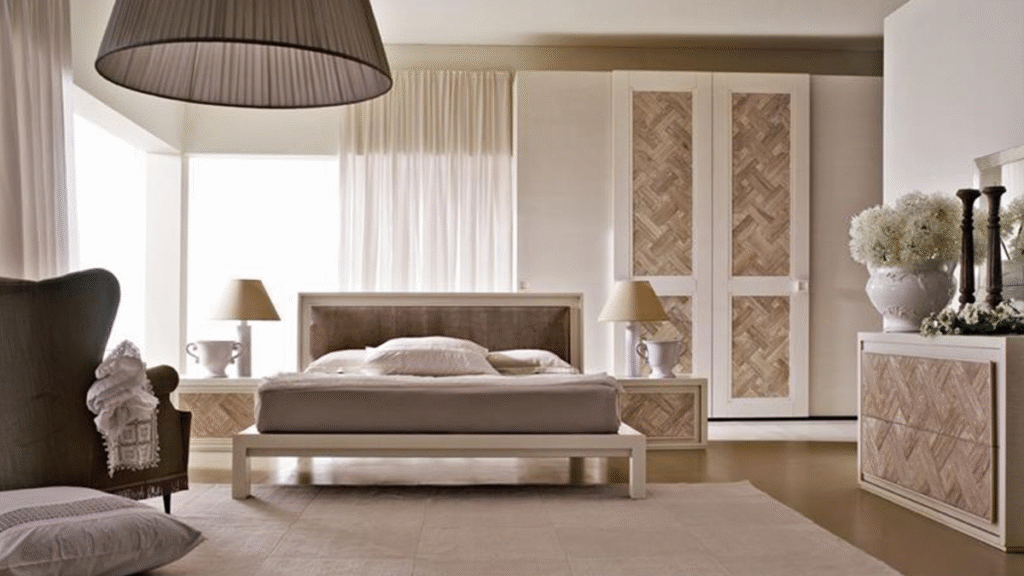
From wardrobes and bed frames to nightstands and dressers, customized bedroom furniture helps create a cozy yet functional space. Built-in wardrobes with sliding doors or hidden compartments maximize storage in smaller rooms.
4. Office Furniture
For businesses, custom office furniture reflects professionalism and brand identity. Ergonomic chairs, personalized workstations, and stylish conference tables improve comfort and productivity while enhancing aesthetics.
5. Outdoor Furniture
If you have a balcony, garden, or terrace, custom outdoor furniture made with weather-resistant materials like rattan or treated wood can transform your outdoor space into a relaxing retreat.
Materials Used in Customized Furniture
The choice of material greatly influences the furniture’s durability, appearance, and cost. Common materials include:
- Solid Wood: Strong, durable, and timeless. Popular choices are teak, oak, and walnut.
- Engineered Wood (MDF, Plywood): Cost-effective and versatile for various designs.
- Metal: Modern, industrial, and durable—often used for frames and accents.
- Glass: Ideal for tabletops and decorative elements, offering elegance and sophistication.
- Upholstery Fabrics: Leather, cotton, velvet, or synthetic fabrics for sofas and chairs.
The material choice depends on your budget, maintenance preferences, and style goals.
Designing Customized Furniture: Step-by-Step Process
Designing custom furniture involves several steps to ensure the final product matches your expectations. Here’s how the process typically works:
1. Assess Your Needs
Identify the purpose of the furniture piece. Is it for comfort, storage, aesthetics, or all three? Knowing this helps in deciding the design features.
2. Take Accurate Measurements
Measure the space where the furniture will be placed. Accurate dimensions prevent fitting issues later.
3. Decide on the Style
Choose a style that complements your interiors—modern, classic, rustic, or eclectic.
4. Pick Materials and Finishes
Select materials based on durability, appearance, and budget. You can also choose finishes like matte, glossy, or natural wood grain.
5. Approve the Design
Many designers offer 3D visualizations so you can see how the piece will look before production begins.
6. Manufacturing and Delivery
Once approved, the furniture is crafted by skilled artisans or manufacturers and delivered to your doorstep.
Cost of Customized Furniture
The cost of customized furniture depends on several factors:
- Size and Complexity: Larger and more intricate designs cost more.
- Material Choice: Solid wood and premium fabrics increase costs, while MDF or engineered wood is more affordable.
- Craftsmanship: Handcrafted pieces with intricate details are priced higher than machine-made ones.
- Brand and Location: Reputed designers or high-end furniture makers charge more.
While custom furniture can be more expensive than ready-made alternatives, its long-term value in terms of durability and uniqueness makes it a worthwhile investment.
Maintenance Tips for Customized Furniture
To keep your custom furniture looking new and lasting longer, follow these simple tips:
- Dust regularly with a soft cloth.
- Avoid direct sunlight to prevent fading or warping.
- Use coasters and mats to protect surfaces from scratches and spills.
- Polish wooden furniture periodically for shine and protection.
- Clean upholstery using fabric-safe cleaners or professional services.
Proper care ensures your furniture remains in excellent condition for years.
Trends in Customized Furniture
The world of custom furniture design is constantly evolving. Some current trends include:
- Minimalist Designs: Clean lines, neutral colors, and functional aesthetics.
- Sustainable Materials: Reclaimed wood, bamboo, and eco-friendly fabrics.
- Smart Furniture: Pieces with built-in charging stations, lighting, or storage solutions.
- Modular Furniture: Flexible designs that can be rearranged easily.
- Bold Colors and Textures: Mixing materials and colors for a unique look.
Benefits of Customized Furniture for Homes and Offices
Let’s summarize why customized furniture is becoming increasingly popular:
- Personalized Aesthetic: Matches your taste and lifestyle.
- Enhanced Functionality: Designed for your specific needs.
- Better Space Utilization: Ideal for small or awkward spaces.
- Durability: High-quality materials ensure long-lasting furniture.
- Eco-Friendly Options: Many makers use sustainable and recyclable materials.
Customized Furniture for Different Spaces
1. Living Room
Custom coffee tables, TV units, and bookshelves can transform your living area into a cozy yet stylish space.
2. Bedrooms
Built-in wardrobes, under-bed storage, and custom headboards maximize both comfort and functionality.
3. Kitchens
Modular kitchens with tailor-made cabinets, shelves, and counters offer efficient storage and workflow.
4. Offices
Custom desks, ergonomic chairs, and storage units improve productivity and create a professional work environment.
5. Commercial Spaces
Restaurants, cafés, and retail stores often use custom furniture to create a unique ambiance that attracts customers.
Where to Buy Customized Furniture
Today, there are many options for buying custom furniture:
- Local Artisans: Skilled craftsmen offer personalized service and unique designs.
- Online Furniture Stores: Many websites allow you to customize designs virtually before ordering.
- Interior Designers: Professionals can design furniture pieces as part of larger home renovation projects.
Conclusion
Customized furniture is more than just functional; it’s an expression of your personality, lifestyle, and taste. From the materials you choose to the design details you select, custom furniture offers endless possibilities to create pieces that are uniquely yours.
Whether you want a sofa that perfectly fits your living room, a dining table that matches your style, or a wardrobe designed for maximum storage, customized furniture ensures that every piece serves its purpose beautifully.
Investing in custom furniture might require more planning and budget compared to ready-made pieces, but the long-term benefits—durability, personalization, and quality—make it a smart and stylish choice for any home or office.