

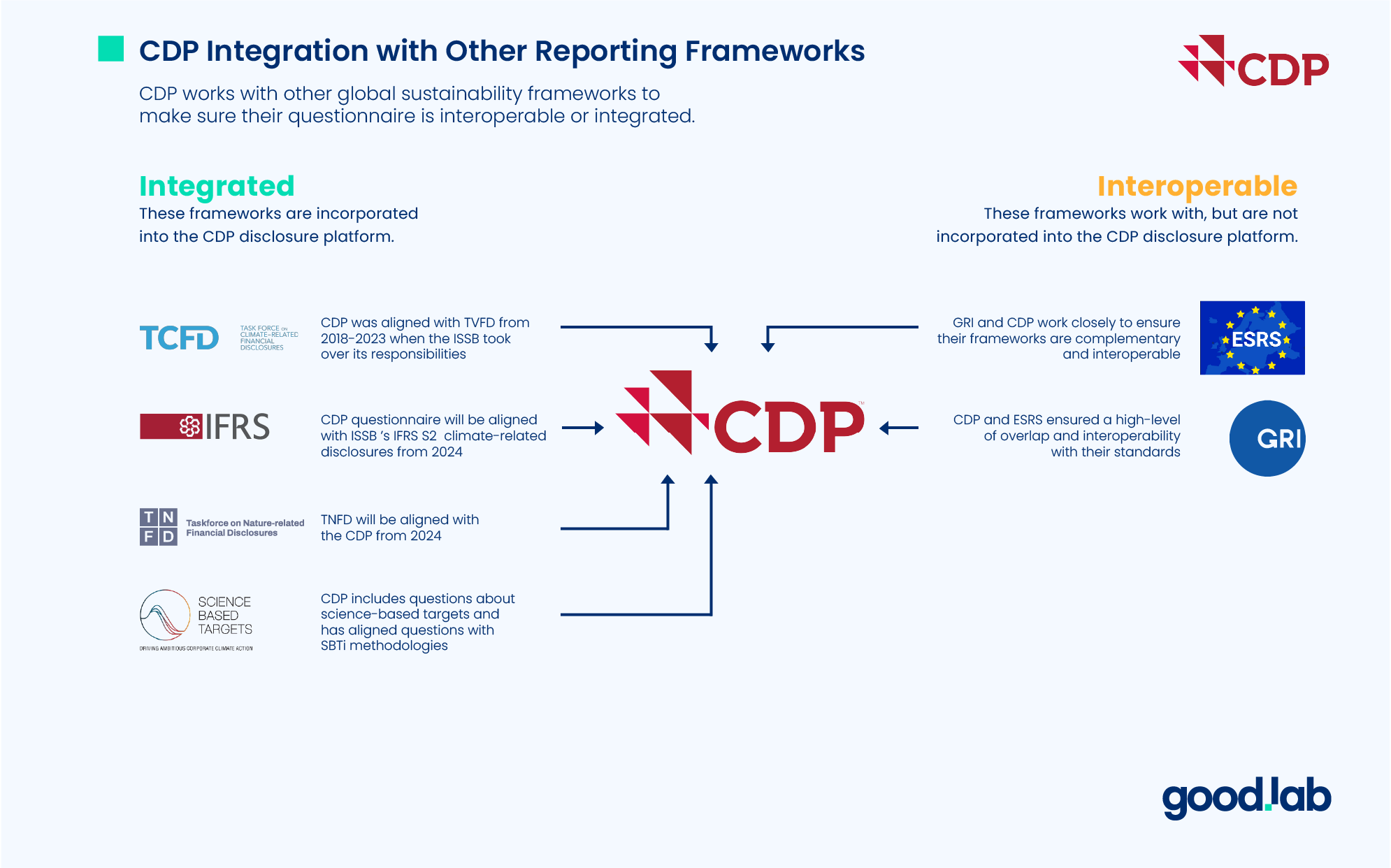
Understanding CDP Companies and Their Role in Sustainability
Many businesses are under increasing pressure to report their environmental impact. Customers, investors, and regulators all want transparency on how companies affect the climate. That’s where CDP companies come into the picture. CDP, formerly known as the Carbon Disclosure Project, provides a global system for organizations to measure and disclose their environmental performance. From carbon emissions to water usage, the data collected helps businesses improve their strategies and build accountability.
For companies, participating in CDP reporting is more than just meeting a requirement. It’s about proving commitment to responsible practices while identifying areas for growth. By sharing data openly, businesses gain trust and show that they are working toward a sustainable future. With the growing importance of sustainability, being part of CDP is becoming a priority for organizations around the world.
What CDP Reporting Covers
CDP reporting spans multiple areas that highlight a company’s environmental footprint. These include:
Climate change: Companies report on greenhouse gas emissions, energy usage, and reduction targets.
Water security: Data on water consumption, risks, and conservation plans is shared.
Forests: Businesses outline their role in deforestation through supply chains and material sourcing.
Biodiversity: Some reports include strategies for protecting ecosystems impacted by operations.
This information gives stakeholders a clear view of how businesses are managing resources and addressing global challenges.
Why Companies Participate in CDP
Organizations choose to disclose through CDP for several reasons. Some of the most common include:
Reputation: Reporting demonstrates accountability and strengthens brand image.
Investor interest: Many investors prefer businesses that show climate awareness and transparent data.
Risk management: Reporting helps identify risks from climate change, supply chain issues, and regulations.
Operational improvements: Collecting data often leads to discovering ways to reduce costs and waste.
By being part of CDP, companies highlight their commitment to sustainability while also creating value for themselves and their stakeholders.
Challenges Businesses Face
While CDP offers clear benefits, companies often face challenges during reporting. Collecting accurate data across operations can be complex, especially for global businesses. Different countries may use varied reporting standards, making consistency a challenge.
Another issue is the resources required. Reporting takes time, staff, and often external support. Smaller businesses may struggle compared to larger corporations. Despite this, the push for transparency is driving more organizations to join CDP each year.
How CDP Improves Decision-Making
One of the strongest aspects of CDP reporting is its role in guiding decisions. When businesses analyze their environmental data, they often discover ways to make meaningful changes. For example, high energy use in one facility might spark an investment in renewable energy.
The structured reporting also makes it easier to set measurable targets. Instead of broad goals, companies can identify specific reductions in carbon emissions or water use. These targets provide a roadmap for progress and make success easier to track.
Steps for Companies Beginning CDP Reporting
For businesses just starting with CDP, preparation is key. Here are practical steps that can help:
Understand requirements: Review the CDP questionnaires for climate, water, and forests.
Gather data: Collect accurate figures on energy use, emissions, water, and supply chains.
Assign responsibility: Create a team to handle reporting and monitoring.
Engage stakeholders: Include suppliers and partners in the process to capture wider impacts.
Set targets: Use the data to create goals for reducing emissions and resource use.
Following these steps builds a strong foundation for consistent reporting and long-term improvements.
The Role of Investors and Stakeholders
Investors and stakeholders are major drivers behind CDP reporting. Many investment firms use CDP data to assess company risks. Businesses that disclose openly are often seen as safer long-term investments because they understand and address environmental challenges.
Customers are also part of this push. Increasingly, buyers prefer brands that demonstrate responsible practices. CDP reporting helps build that trust by making actions visible and measurable.
Global Growth of CDP Participation
CDP participation has expanded rapidly across industries. From manufacturing to retail, businesses of all sizes are joining. Governments and financial institutions are also encouraging participation by linking policies and incentives to CDP data.
This global growth shows that sustainability reporting is no longer optional. It has become a central part of how companies operate and plan for the future. Organizations that delay may find themselves at a disadvantage compared to peers who disclose early.

Moving Forward with Environmental Responsibility
The role of CDP companies in global sustainability continues to grow. By disclosing data on climate, water, and forests, businesses take real steps toward improving their operations and building trust. This information not only supports investors and customers but also helps organizations manage risks and find new opportunities.
For businesses considering participation, CDP provides a structured pathway to meaningful action. By starting small, setting clear targets, and reporting honestly, any company can begin the journey toward responsible practices.
At the heart of this movement are organizations willing to be transparent and accountable. That is what CDP encourages and what the world increasingly expects.
For guidance and practical resources on reporting, you can explore tools offered by Get Good Lab, which supports businesses aiming to succeed in sustainability.