

Transform Your Smile Quickly Through Dental Composite Bonding
A chipped tooth, a gap between teeth, or stains that brushing cannot remove can make people feel less confident about their smile. Thankfully, there are treatments that are simple, painless, and effective. One of the most common methods used today is dental composite bonding. This treatment helps improve the shape, size, and color of teeth without requiring complex procedures. For patients, bonding feels natural and provides quick results. Unlike other treatments, it can often be completed in a single visit, making it a convenient option for those who want a better smile without much waiting.
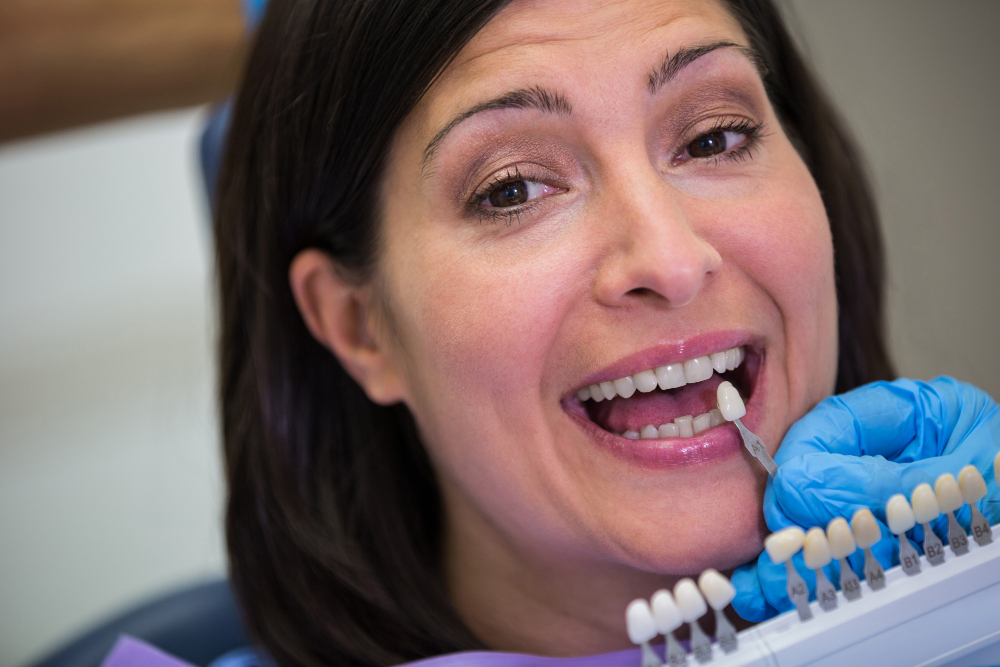
The beauty of bonding is that it works for both small and noticeable changes. Whether it’s fixing a minor crack or covering stains, composite bonding provides an affordable solution. Dentists carefully match the bonding material to your natural tooth shade, so the result blends perfectly. Patients not only leave the clinic with a restored tooth but also with improved confidence in their smile.
What Composite Bonding Really Means
Composite bonding is a cosmetic dental procedure where a tooth-colored resin material is applied and shaped to improve the look of teeth. The material is hardened with a special light, which bonds it to the tooth surface. This simple process can address several dental issues at once.
It is especially popular among patients who want noticeable improvements without going through longer treatments like veneers or crowns. Since bonding requires little preparation, most of your natural tooth remains untouched. This makes it a safe and effective choice for many people looking to improve their smile quickly.
Problems That Bonding Can Fix
Bonding is versatile and can help with different dental concerns. Dentists often recommend it for:
- Chipped or cracked teeth – Restores shape and prevents further damage.
- Discolored teeth – Covers stains that do not respond to whitening treatments.
- Gaps between teeth – Fills spaces for a more even smile.
- Misshaped teeth – Adjusts the size or contour of teeth to match the rest of your smile.
- Tooth lengthening – Adds material to make shorter teeth look even with others.
Because it can solve multiple concerns in one sitting, bonding has become a go-to treatment for many patients.
The Step-by-Step Bonding Process
Patients often wonder how bonding is done and whether it hurts. The good news is that the process is simple and usually requires no anesthesia, unless it is used to repair a cavity.
- Tooth Preparation – The dentist lightly roughens the tooth surface and applies a liquid that helps the bonding stick.
- Application of Resin – A tooth-colored resin is applied and shaped to the desired form.
- Hardening with Light – A special curing light is used to harden the resin.
- Shaping and Polishing – The dentist trims and polishes the tooth so it looks smooth and natural.
The whole procedure can take about 30 to 60 minutes per tooth, making it one of the quickest ways to enhance your smile.
Advantages of Choosing Composite Bonding
Patients often like bonding because it is simple and effective. Some of its key advantages include:
- Non-invasive, meaning less removal of natural tooth structure.
- Quick results, often in just one appointment.
- Painless procedure without injections in most cases.
- Affordable compared to veneers or crowns.
- Natural-looking results that blend with your teeth.
These features make bonding a preferred option for anyone looking for cosmetic improvement without complicated dental work.
How to Care for Bonded Teeth
Bonded teeth are strong, but they still need proper care to last long. By following simple daily habits, you can keep them looking good for years:
- Brush and floss regularly to prevent staining.
- Avoid chewing on hard objects like pens or ice, which can chip the resin.
- Limit coffee, tea, and tobacco use, as they may cause discoloration.
- Visit your dentist regularly for checkups and polishing if needed.
With the right care, bonded teeth can last several years before needing touch-ups.
Common Questions About Bonding
People often have questions before deciding on bonding. Some of the most asked include:
- “Does bonding hurt?” – No, it is usually painless.
- “How long does it last?” – Bonding can last between 4 to 8 years with good care.
- “Can bonded teeth be whitened?” – The resin does not respond to whitening, so it’s better to whiten natural teeth first.
- “Is bonding suitable for everyone?” – It works well for minor to moderate changes, but severe issues may need other treatments.
Having clear answers helps patients feel comfortable with their decision.
A Smile Made Stronger with Bonding
Dental bonding is more than just a cosmetic fix. It helps restore both the look and function of teeth in a quick and affordable way. Whether you have a chipped tooth, a gap, or stains that won’t go away, bonding offers a practical solution.
If you want a smile that feels natural and confident, this treatment could be the right choice. For those looking to improve their teeth with dental composite bonding, visiting a trusted clinic makes all the difference.
When you are ready to take the next step for a brighter smile, you can count on Groot Dental to provide professional care and guidance.
