

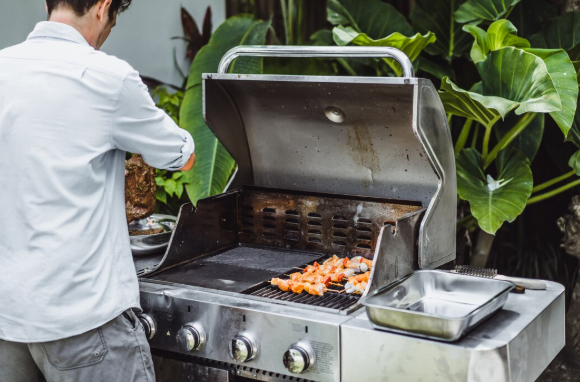
Gas Barbecue Bottle Safety Tips Every Griller Should Know
When it comes to outdoor cooking, few things bring people together like a delicious barbecue. Gas grills are convenient, quick to ignite, and easy to control compared to charcoal. But while they provide the ultimate outdoor cooking experience, they also come with a responsibility that every griller should take seriously: gas barbecue bottle safety.
A barbecue gas bottle (also known as a propane or LPG cylinder) is the fuel source that powers your grill. While these bottles are designed with strict safety standards, improper use, storage, or handling can cause dangerous accidents. The good news? By following a few key safety practices, you can ensure a safe, smooth, and worry-free grilling session every time.
In this article, we’ll explore essential gas barbecue bottle safety tips every griller should know—whether you’re a beginner or a seasoned BBQ enthusiast.
Why Gas Barbecue Bottle Safety Matters
Gas bottles contain pressurized propane or butane, both of which are highly flammable. Even a small leak can lead to fire hazards, explosions, or health risks from inhalation. Many grill-related accidents each year are caused by neglecting basic safety measures such as checking connections, storing bottles correctly, or monitoring for leaks.
By practicing proper LPG cylinder safety while grilling, you not only protect yourself but also your family, neighbors, and property. A little precaution goes a long way in making your backyard barbecues enjoyable and risk-free.
Choosing the Right Gas Barbecue Bottle
Before diving into handling and storage tips, it’s important to start with the right gas bottle:
- Check for certification – Always purchase bottles from reputable suppliers. Look for safety seals and certification marks that comply with local gas safety standards.
- Size matters – Choose a gas bottle size appropriate for your grill. Using an oversized or undersized cylinder can lead to poor performance and handling difficulties.
- Inspect before purchase – Avoid bottles with dents, rust, or visible damage. A compromised cylinder is a safety risk.
Safe Installation of Gas Bottles
Improper installation is one of the most common causes of accidents. When connecting your barbecue gas bottle:
- Turn off everything first – Make sure both the grill and the bottle valve are switched off before connecting.
- Check the regulator and hose – Ensure your regulator is compatible with your grill and the bottle. Inspect hoses for cracks or wear before attaching.
- Tighten connections properly – Use the correct tools and avoid over-tightening. A snug, secure fit is all that’s needed.
- Perform a leak test – After connecting, spray soapy water around the valve and hose joints. If bubbles form, you have a leak—disconnect immediately and fix the issue.
Gas Barbecue Bottle Storage Safety
Storing gas bottles correctly is just as important as using them safely. Here are best practices:
- Store upright only – Always keep gas bottles standing vertically to prevent liquid gas from leaking.
- Well-ventilated area – Store them outdoors, in a cool, shaded space with good airflow. Never keep them inside your home, basement, or enclosed garage.
- Keep away from heat sources – Gas bottles should be kept away from direct sunlight, flames, or electrical appliances that may spark.
- Use protective caps – When not in use, ensure the bottle valve is tightly closed and fitted with its protective cap.
Safety During Grilling
When it’s time to fire up your barbecue, follow these important tips to keep your cooking session safe:
- Start with the lid open – Always open your grill lid before lighting to prevent gas build-up.
- Ignite safely – Use the built-in igniter if available. If lighting manually, use a long match or barbecue lighter to avoid burns.
- Never leave the grill unattended – Accidents can happen quickly when no one is monitoring the flame.
- Keep children and pets away – Create a safe zone around your grill to avoid accidents.
- Have an extinguisher nearby – A fire extinguisher or bucket of sand is a must-have precaution in case of flare-ups.
Detecting Gas Leaks
Gas leaks are one of the biggest risks with barbecue bottles. Signs you might have a leak include:
- A hissing sound near the valve or hose.
- A rotten egg smell (added odorant in LPG to make leaks detectable).
- Unusual flame behavior, such as flames that are yellow or uneven.
What to do if you suspect a leak:
- Immediately turn off the gas supply.
- Move the bottle to an open, well-ventilated area away from ignition sources.
- Do not use matches, lighters, or electrical switches nearby.
- Contact your supplier for inspection or replacement.
Transporting Gas Barbecue Bottles Safely
Sometimes you’ll need to transport your gas bottle for refills or replacements. Keep these guidelines in mind:
- Keep bottles upright during transport. Secure them with straps or stands to avoid tipping over.
- Avoid enclosed spaces – If possible, transport gas bottles in an open vehicle or with windows down for ventilation.
- Don’t leave bottles in hot cars – High heat can increase pressure inside the cylinder and cause leaks.
- Handle with care – Avoid dropping, rolling, or dragging gas bottles, as this may damage them.
Maintenance and Regular Checks
Routine maintenance is crucial to gas barbecue bottle safety.
- Inspect hoses and regulators regularly for wear, cracks, or brittleness. Replace them every 3–5 years or sooner if damaged.
- Check for rust or dents on the cylinder. Damaged bottles should be replaced immediately.
- Get professional servicing – Have your grill and regulator inspected by a certified technician annually.
- Monitor expiry dates – Gas bottles come with a manufacturing or test date. Ensure they are within their safe usage period.
Do’s and Don’ts of Gas Barbecue Bottle Safety
To make safety simple, here’s a quick reference list:
Do’s:
- Do check for leaks before every barbecue session.
- Do turn off the gas supply after cooking.
- Do keep your barbecue clean to avoid grease fires.
- Do store bottles outdoors in a cool, ventilated place.
Don’ts:
- Don’t smoke while handling gas bottles.
- Don’t store gas bottles in basements or enclosed spaces.
- Don’t use a damaged or expired cylinder.
- Don’t try to repair a faulty valve yourself—call a professional.
Emergency Situations: What to Do
Even with precautions, emergencies can happen. Knowing how to respond quickly can make all the difference:
- If a fire starts at the grill – Turn off the burners if safe to do so, and use a fire extinguisher. Never throw water on a gas fire.
- If a bottle catches fire – Call emergency services immediately. Evacuate the area and let professionals handle it.
- If you smell gas indoors – Ventilate immediately, turn off the gas supply, and avoid using electrical switches or flames.
Eco-Friendly Disposal of Gas Bottles
When your gas bottle reaches the end of its life:
- Don’t throw it in household trash – Cylinders must be returned to suppliers or recycling centers.
- Check local regulations – Many areas have designated gas bottle recycling or exchange programs.
- Never puncture or burn empty bottles – These actions are highly dangerous.
Final Thoughts
Barbecuing should be a fun, relaxing experience. By following these gas barbecue bottle safety tips, you’ll not only protect yourself and your loved ones but also get the most out of your grilling sessions. Remember: safety starts with awareness. Always inspect, maintain, and store your bottles correctly, and treat them with the respect they deserve.
With a little precaution, your grill can remain the centerpiece of countless safe and enjoyable gatherings. So fire it up—safely—and enjoy every delicious bite!