

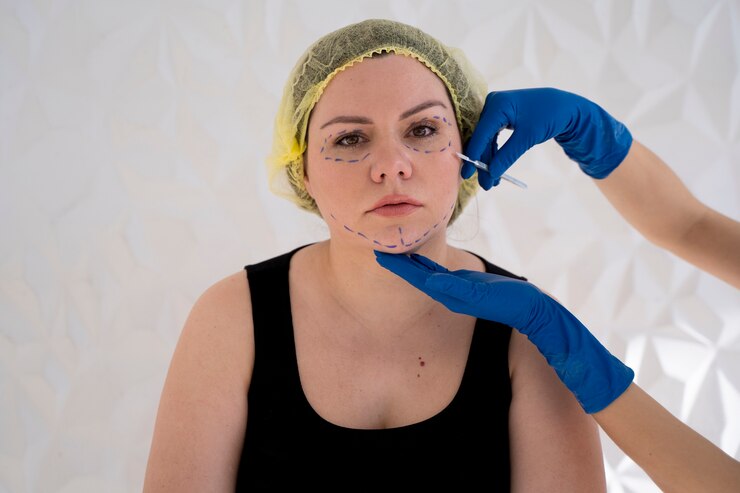
Can Tear Trough Correction Be Done on Both Sides or Just One Eye at a Time?
Tear trough correction is a popular cosmetic procedure aimed at addressing the hollow, dark circles under the eyes, also known as the “tear troughs.” Many people seek this treatment to restore a youthful, refreshed appearance, as the tear trough area can contribute to an aged or tired look. One common question that arises among patients considering this procedure is whether it can be performed on both sides (both eyes) at the same time or if it is typically done one eye at a time. Let’s dive into the details to answer this question.
What is Tear Trough Correction?
Before addressing whether tear trough correction can be done on one or both eyes at a time, it’s essential to understand the procedure itself. Tear trough correction involves the use of injectable dermal fillers, such as hyaluronic acid-based fillers, to restore volume to the hollows beneath the eyes. These fillers work by adding volume and plumping the skin, which smooths out the tear trough and reduces the appearance of dark circles and shadows.
The procedure is non-surgical, minimally invasive, and often takes around 30 minutes to complete, with little downtime involved. The results can last anywhere from six months to a year, depending on the type of filler used and individual factors such as skin type and lifestyle.
Can Tear Trough Correction Be Done on Both Eyes at the Same Time?
The short answer is yes—tear trough correction can be performed on both eyes at the same time. In fact, most cosmetic practitioners will treat both eyes during a single session, especially if the patient has hollowing or dark circles under both eyes. There are several reasons why this is the most common approach:
1. Symmetry and Balance
One of the primary goals of tear trough correction is to restore balance and symmetry to the face. Treating both eyes during the same session ensures that the results are evenly distributed, which can help prevent any unevenness or disproportion between the two sides of the face. A symmetrical appearance is often the most desirable outcome, so it’s ideal to address both tear troughs at once.
2. Efficiency and Convenience
Treating both eyes at the same time is more convenient for patients, as it minimizes the number of appointments required. It also saves time for the practitioner, as they only need to prepare and administer the treatment once. Since the procedure is relatively quick and minimally invasive, many patients prefer to have both sides corrected in one session to achieve faster, more noticeable results.
3. Consistent Results
By treating both eyes simultaneously, the practitioner can more easily compare and contrast the two sides of the face during the procedure. This allows them to adjust the filler placement to ensure the most balanced and natural results possible.
Are There Any Cases Where Tear Trough Correction Is Done on One Eye at a Time?
While it is common to perform tear trough correction on both eyes during a single session, there are some instances where a practitioner may decide to treat one eye at a time. These scenarios can include:
1. Medical Considerations
Some patients may have underlying medical conditions or unique anatomical features that could require a more cautious approach. In these cases, a practitioner may choose to perform the procedure on one eye first and then reassess the results before proceeding with the second eye. This can help avoid complications, especially if there are concerns about the patient’s response to the filler or their healing process.
2. Uneven or Asymmetrical Tear Troughs
In cases where one tear trough is more pronounced than the other, a practitioner might opt to correct just the more severe side first. After the filler settles and the initial results are assessed, they may then move on to treating the other eye. This stepwise approach helps ensure the best possible results without over-correcting or creating an unnatural look.
3. Personal Preference
In some cases, patients may prefer to treat only one eye initially, especially if they are unsure about the results. This allows them to see how their body responds to the filler before committing to the second side. While this approach is less common, it can give patients more control over the outcome and help them feel more comfortable with the treatment process.
Conclusion
In most cases, tear trough correction can and is performed on both eyes at the same time, providing patients with a balanced and efficient solution for their under-eye concerns. However, there are circumstances where treating one eye at a time may be appropriate, such as in cases of medical considerations, significant asymmetry, or personal preference. If you are considering tear trough correction, it’s important to discuss your specific needs and concerns with a qualified practitioner who can tailor the procedure to achieve the best results for your unique facial features. learn more here – https://www.butterfly-aesthetics.co.uk/treatment/tear-trough-filler