

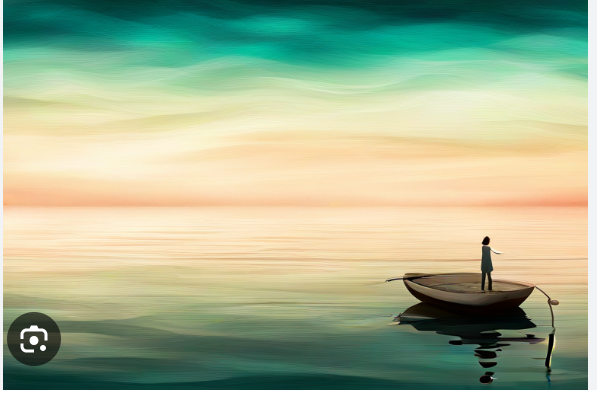
Wabi Sabi Painting: Embrace Imperfect Beauty
In a world that often chases perfection, the ancient Japanese philosophy of wabi-sabi offers a refreshing perspective. It encourages us to find beauty in imperfection and accept the natural cycle of growth and decay. This mindset has inspired artists for centuries, leading to a unique and deeply expressive style known as wabi-sabi painting.
This guide will introduce you to the core principles of wabi-sabi and show you how to apply them to your own artistic practice. You will learn how to let go of the need for flawless results and instead create art that is authentic, textured, and full of character. Prepare to embrace a more intuitive and meaningful way of painting.
What is Wabi-Sabi?
Wabi-sabi is a Japanese worldview centered on the acceptance of transience and imperfection. The term is a combination of two concepts:
- Wabi: This refers to a sense of rustic simplicity, quietness, and a connection to nature. It’s about finding satisfaction in less, appreciating the understated, and living in harmony with your environment.
- Sabi: This relates to the beauty that comes with age. It’s the patina on an old bronze statue, the weathered texture of old wood, or the subtle cracks in a ceramic bowl. Sabi acknowledges that time leaves a mark, and these marks tell a story.
Together, wabi-sabi celebrates asymmetry, roughness, simplicity, and modesty. It’s about appreciating the beauty of things as they are, not as we think they should be. In art, this translates to celebrating the organic, the unrefined, and the beautifully flawed.
Key Elements of Wabi-Sabi Painting
To create a wabi-sabi painting, you can incorporate several key elements that reflect the philosophy’s core tenets.
Asymmetry and Irregularity
Perfect symmetry is rarely found in nature. Wabi-sabi art embraces this by favoring asymmetrical compositions and irregular shapes. Instead of a perfectly centered subject, try placing it off-center. Allow your lines to be uneven and your forms to be organic. This creates a more dynamic and natural-feeling piece that guides the viewer’s eye across the canvas in a more engaging way.
Natural Colors and Textures
The wabi-sabi color palette is inspired by the natural world. Think of earthy tones like browns, grays, greens, and muted blues. These colors create a sense of calm and grounding.
Texture is just as important as color. You can build up layers of paint to create a rough, tactile surface, or even mix materials like sand or coffee grounds into your paint. The goal is to create a piece that not only looks interesting but also feels like it has a history.
Simplicity and Minimalism
A wabi-sabi painting doesn’t need to be cluttered with detail. The philosophy values simplicity and leaving space for contemplation. Focus on a single subject or a minimalist composition. This negative space, or ma, is just as important as the subject itself, giving the artwork room to breathe and allowing the viewer’s mind to wander.
How to Get Started with Wabi-Sabi Painting
Ready to try it for yourself? Here are a few practical steps to begin your journey into wabi-sabi painting.
- Gather Natural Materials: Start with a simple set of tools. Use natural bristle brushes, handmade paper, and a palette of earthy colors. Consider experimenting with natural pigments or inks.
- Let Go of Control: This is perhaps the most important step. Try to let go of the desire to create a “perfect” painting. Allow drips, smudges, and unexpected marks to become part of the artwork. Embrace these “mistakes” as unique features that add character to your piece.
- Focus on the Process: Wabi-sabi is as much about the act of creation as it is about the final product. Pay attention to the feel of the brush on the canvas, the way the colors blend, and the textures that emerge. Enjoy the meditative process of painting without worrying about the outcome.
- Find Inspiration in Nature: Go for a walk and observe the world around you. Look at the texture of tree bark, the shape of a weathered stone, or the subtle colors of a cloudy sky. Let these natural imperfections inspire your work.
Find Beauty in the Flaws
Wabi-sabi painting is more than just an artistic technique; it’s a way of seeing the world. It teaches us to slow down, appreciate the simple things, and find beauty in the imperfections that make life interesting. By letting go of the pursuit of flawlessness, you can unlock a more authentic and expressive style of art.
So, pick up your brush, quiet your inner critic, and allow the simple, profound beauty of wabi-sabi to guide your hand. You might be surprised by the beautifully imperfect creations that emerge.