

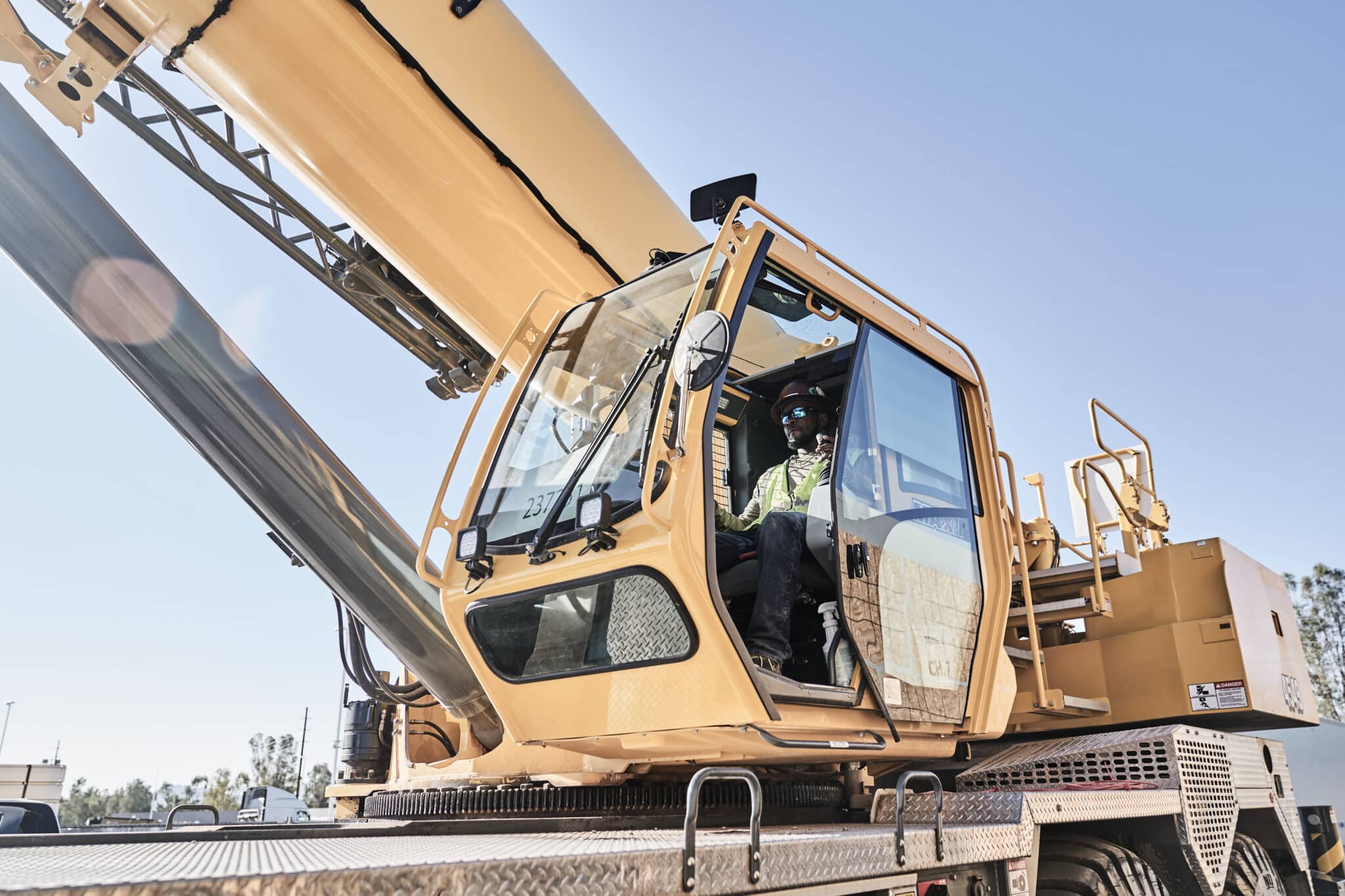
Looking Past the Cranes: The Tools That Make Construction Successful
Typical images of construction or industrial sites are those of towering cranes and hardhat-clad workers in continual motion. There is a whole fleet of machines working behind the scenes that don’t get nearly as much credit but are essential to keeping things moving forward. The true powerhouses of production are this heavy machinery: loaders, skid steers, and bulldozers.
Despite their lack of glitz, they are the lifeblood of every website. They level the ground, make way, and carry large objects so that the rest of the construction process, from laying foundations to finishing structures, can go off without a hitch.
Loaders: The Multipurpose Workhorses
Typically, loaders are among the first to show up and the last to depart from a job site. What is their role? “To keep things moving” in a very literal sense. Loader equipment is engineered to swiftly and precisely lift, transport, and move anything, be it dirt, gravel, snow, or building debris.
Their versatility is what makes them so useful. Loaders can adapt to different tasks with ease thanks to their hydraulically propelled arms and extensive attachments, which include buckets, forks, sweepers, and even augers.
Wheel loaders are great at moving large amounts of material at once, backhoe loaders can dig, load, and move all in one motion, and front-end loaders are lightning fast at moving heavy dirt and trash.
Power and precision like this are what keep projects on track.
Compact Yet Powerful Skid Steer Loaders
Skid steers are the workhorses of tight-space, time-sensitive, and highly maneuverable construction projects. Their small size, surprising power, and ability to spin within their footprint make them ideal for indoor demolition, landscaping, and urban building projects.
Their true power is in their adaptability. They go from digging trenches to moving pallets or even clearing snow in the blink of an eye. Skid steers are versatile devices that, with the correct attachments, can do the work of multiple machines. Not only does this save time, but it also reduces expenses on manpower and equipment rental.
Plus, there’s more to modern skid steers than meets the eye. Compact track loaders, which are track-based machines, are great in difficult terrain and have less downtime when working in muddy or uneven circumstances. Put simply, they are incredibly powerful compared to their weight class.
Bulldozers: Landscape Experts
Bull dozers are purpose-built to change the terrain beneath our feet, in contrast to loaders and skid steers, which are more suited to moving around and being versatile. These machines are designed to handle heavy loads of dirt, trash, or rubble with ease, thanks to their powerful front-mounted blades.
Bulldozers prepare the ground for subsequent tasks, such as leveling uneven land for new foundations or clearing demolition sites. Modern versions take their legendary strength and enhance it with artificial intelligence. These days, bulldozers can conduct both sheer force and precise work thanks to GPS, automated controls, and comfortable cabins.
Each type is good for a different job:
– The track systems of crawler dozers allow them to traverse even the most difficult terrains.
– Wheel dozers provide speed and mobility in situations where frequent movement is essential.
– Mini dozers can fit large capacities into smaller, more congested work areas.
One thing is certain, whatever the form: dozers are essential for getting things started.
Beyond Machines
It is easy to underestimate the far-reaching effects of this equipment on industries beyond construction. Heavy machinery such as loaders, skid steers, and bulldozers is indispensable in many other industries, including farming, mining, trash collection, and emergency response.
Just consider: farmers are responsible for prepping the ground and transporting produce. Waste is sorted and managed in recycling plants. In the aftermath of catastrophes, they rescue lives and put communities back together by clearing debris. They play a crucial role in fostering progress, safety, and resilience in several industries.
Foundational Elements of Development
The attention-grabbing skyscrapers and cranes take the shine off these lower-level machines, which are responsible for shaping our landscapes and keeping industry running. Even if they aren’t showy, they’re crucial.
Look beyond the skyline the next time you drive by a building site. Loaders transferring dirt, skid steers maneuvering through narrow areas, and bulldozers shaping the land tell the real tale of progress, not only the steel beams going above.