

Why Flower Bulbs Are the Easiest Way to Refresh Your Garden
Transforming a garden from ordinary to extraordinary doesn’t have to involve extensive planning, expensive equipment, or professional landscaping services. For gardeners seeking an effortless way to breathe new life into their outdoor spaces, flower bulbs present the perfect solution. These small powerhouses of nature offer unmatched convenience, spectacular results, and season-long beauty with minimal effort required.
The Magic Behind Bulb Gardening
Flower bulbs are essentially nature’s storage units, packed with all the nutrients and energy needed to produce stunning blooms. Unlike other planting methods that require constant attention and careful nurturing, bulbs come pre-programmed for success. They contain everything necessary for growth, making them virtually foolproof for gardeners of all experience levels.
The beauty of bulb gardening lies in its simplicity. Once planted at the correct depth and given basic care, bulbs handle the rest of the work independently. They know when to emerge, when to bloom, and when to store energy for the following year’s display.
Types of Bulbs for Every Season
Spring Bulbs: The Early Show-Stoppers
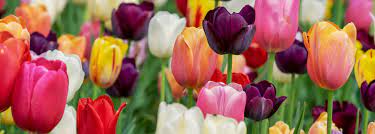
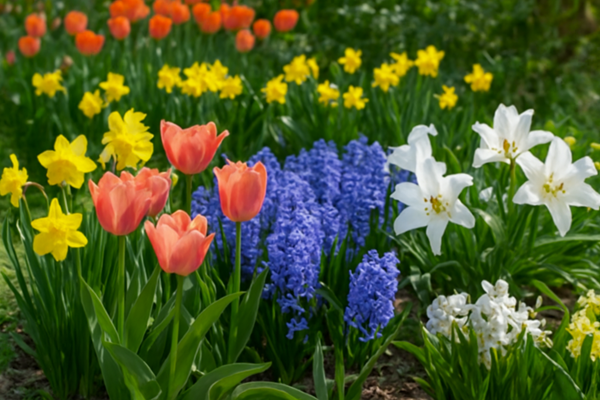
Spring-flowering bulbs create the garden’s first spectacular display after winter’s dormancy. Tulips, daffodils, crocuses, and hyacinths emerge when most other plants remain dormant, providing essential color and life to awakening landscapes.
These bulbs require fall planting, allowing them to experience the cold temperatures necessary for proper spring flowering. The waiting period between planting and blooming might seem lengthy, but the reward of early spring color makes the patience worthwhile.
Summer Bulbs: Continuous Color
Summer-flowering bulbs extend the garden’s color palette through the warmest months. Gladioli, lilies, dahlias, and begonias offer diverse shapes, sizes, and colors that complement existing perennial beds and annual displays.
These bulbs typically require spring planting after the threat of frost has passed. Many summer bulbs can be lifted and stored during winter in colder climates, ensuring their return the following year.
Fall Bulbs: The Surprise Element
Fall-blooming bulbs provide unexpected beauty when most gardens are winding down. Autumn crocuses, colchicums, and fall-planted alliums create delightful surprises during the season typically associated with garden cleanup and preparation for winter.
Simple Planting Techniques That Guarantee Success
Choosing the Right Location
Successful bulb gardening begins with proper site selection. Most flowering bulbs prefer well-draining soil and locations that receive adequate sunlight during their growing season. Spring bulbs often tolerate partial shade since they bloom before deciduous trees fully leaf out.
Consider the mature height and spread of different bulb varieties when planning placement. Taller varieties like crown imperials work well as background plants, while shorter varieties like grape hyacinths create excellent borders and groundcover effects.
Planting Depth and Spacing
The general rule for bulb planting depth involves digging holes three times the bulb’s height. This guideline ensures proper root development and provides adequate insulation during temperature fluctuations.
Spacing requirements vary by bulb type and desired effect. For natural-looking displays, plant bulbs in irregular clusters rather than straight lines. This approach mimics how bulbs would naturally spread in wild settings.
Soil Preparation Made Easy
Bulbs thrive in well-draining soil amended with organic matter. Adding compost, aged manure, or leaf mold improves soil structure and provides slow-release nutrients throughout the growing season.
For gardeners dealing with clay soil, creating raised beds or adding coarse sand and organic matter improves drainage significantly. Sandy soils benefit from organic matter additions that help retain moisture and nutrients.
Maintenance: Minimal Effort, Maximum Impact
Watering Requirements
Most established bulbs require minimal supplemental watering, especially in regions with adequate natural rainfall. Spring bulbs typically receive sufficient moisture from winter snow melt and spring rains.
During extended dry periods, providing deep, infrequent watering encourages proper root development. Avoid frequent shallow watering, which can lead to weak root systems and increased disease susceptibility.
Fertilizing for Long-Term Success
Bulbs benefit from balanced fertilizer applications during their active growing periods. Applying a slow-release fertilizer when shoots first emerge provides nutrients throughout the growing season.
For gardeners seeking quality bulb suppliers and competitive pricing, using a Dutchgrown Discount code can make premium varieties more affordable while ensuring excellent planting stock for long-term garden success.
Post-Bloom Care
Proper post-bloom care ensures healthy bulbs and spectacular displays in subsequent years. Allow foliage to remain intact until it yellows naturally, as this process allows bulbs to store energy for next year’s growth.
Resist the temptation to cut back green foliage immediately after flowering ends. The leaves continue photosynthesis for several weeks after blooming, replenishing the bulb’s energy reserves.
Design Ideas for Maximum Impact
Creating Natural Drifts
Plant bulbs in irregular, flowing patterns that mimic natural growth habits. This technique works particularly well with smaller bulbs like crocuses, snowdrops, and winter aconites that naturalize readily.
Large quantities of single varieties create more dramatic impact than mixing multiple colors in small numbers. Consider planting 50 daffodils of one variety rather than 10 each of five different types.
Layering for Extended Blooms
Planting bulbs at different depths creates extended flowering periods and maximizes garden space. Place larger, late-blooming bulbs at the bottom layer, with smaller, early-blooming varieties planted above them.
This technique works exceptionally well with spring bulbs, allowing early crocuses to bloom through emerging tulip foliage, followed by the tulips’ spectacular display.
Companion Planting Strategies
Combine bulbs with perennial plants that emerge later in the season, camouflaging the bulbs’ dying foliage while extending garden interest. Hostas, daylilies, and ornamental grasses work excellently for this purpose.
Annual flowers planted among bulbs provide continuous color after the bulb flowering period ends. This approach maximizes garden space while maintaining visual appeal throughout the growing season.
Solving Common Bulb Challenges
Dealing with Pests
Rodent damage can frustrate bulb gardeners, particularly with tulips and crocuses. Physical barriers like hardware cloth or gravel mulches discourage digging while maintaining soil drainage.
Planting bulbs that rodents typically avoid, such as daffodils, crown imperials, and alliums, creates natural deterrents while providing beautiful displays.
Managing Naturalization
Some bulbs naturalize aggressively and may require management to prevent overcrowding. Dividing clumps every few years maintains flowering vigor and allows for garden expansion or sharing with fellow gardeners.
Deadheading spent flowers prevents unwanted self-seeding in bulbs prone to aggressive spreading, while allowing foliage to complete its natural cycle.
Cost-Effective Garden Transformation
Bulb gardening offers exceptional value compared to other garden refresh methods. A relatively small investment in quality bulbs provides years of reliable blooms with minimal ongoing costs.
Unlike annual flowers that require yearly replacement, most bulbs are perennial, returning and often multiplying for many years. This characteristic makes bulb gardening an economical long-term garden investment.
Seasonal Interest and Wildlife Benefits
Flower bulbs provide essential early-season nectar sources for emerging pollinators when few other flowers are available. Crocuses, squills, and early daffodils support bees, butterflies, and other beneficial insects during critical periods.
The extended flowering season possible with careful bulb selection keeps gardens interesting from late winter through fall, providing continuous visual appeal and wildlife habitat.
Getting Started: Your Bulb Garden Action Plan
Begin with reliable, easy-to-grow varieties suited to your climate zone and garden conditions. Local garden centers and reputable online suppliers offer region-appropriate selections and planting guidance.
Start small with a focused planting area, then expand as experience and confidence grow. Success with initial plantings builds enthusiasm for larger projects and more adventurous variety selections.
Plan bulb purchases and planting schedules according to seasonal requirements. Fall-planted spring bulbs require advance planning, while spring-planted summer bulbs offer more immediate gratification.
Conclusion
Flower bulbs represent the perfect intersection of spectacular results and minimal effort in garden refreshing. Their pre-programmed nature, reliable performance, and long-term value make them ideal for busy gardeners seeking maximum impact with minimal time investment.
Whether creating dramatic spring displays, adding summer color, or surprising visitors with fall blooms, bulbs deliver consistent beauty year after year. The simple act of planting these natural treasures transforms ordinary garden spaces into seasonal showcases that neighbors will admire and wildlife will appreciate.
For gardeners ready to experience the joy and satisfaction of effortless gardening success, flower bulbs offer the perfect starting point. Their forgiving nature, spectacular results, and minimal maintenance requirements prove that sometimes the easiest solutions truly are the most rewarding.