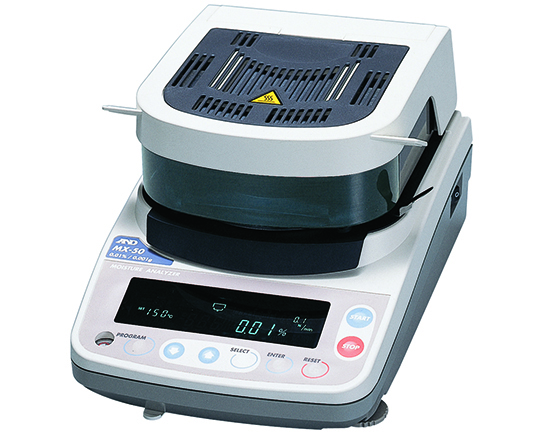
Maintaining and Calibrating Moisture Analysers: Best Practices
Moisture analysers are essential tools in industries ranging from pharmaceuticals and food processing to chemicals and environmental science. These precision instruments provide fast, accurate measurements of moisture content—critical for quality control, compliance, and product consistency.
However, like any sophisticated equipment, moisture analysers require proper care, regular maintenance, and accurate calibration to deliver reliable results. Neglecting these practices can lead to measurement errors, production inefficiencies, and even regulatory non-compliance.
Why Proper Maintenance and Calibration Matter
Moisture analysers rely on sensitive components, such as halogen or infrared heating systems and high-precision balances, to determine moisture levels. Over time, factors like dust buildup, sample residue, and wear-and-tear can compromise performance.
Calibration, on the other hand, ensures that the instrument’s measurements remain accurate and traceable to international standards. Without calibration, even small deviations can accumulate, leading to costly mistakes in production or research.
Together, maintenance and calibration extend the lifespan of your equipment while safeguarding the integrity of your results.
1. Routine Cleaning and Care
Keeping a moisture analyser clean is the foundation of maintenance. Residue from dried samples or spills can accumulate inside the chamber, affecting airflow, heating, and weighing accuracy.
Best practices for cleaning include:
- Daily wipe-down: After each use, gently clean the chamber, pan, and surrounding surfaces with a lint-free cloth.
- Avoid harsh chemicals: Use mild cleaning solutions recommended by the manufacturer to prevent damage to sensitive parts.
- Remove residues promptly: Sticky or volatile samples should be cleaned immediately to prevent hardening or contamination.
- Check vents and sensors: Ensure that ventilation areas and sensors remain free from dust and obstructions.
Maintaining cleanliness not only improves performance but also reduces the risk of cross-contamination between samples.
2. Handling and Storage Practices
Proper handling and storage are equally important to maintain the precision of your moisture analyser.
- Stable environment: Place the analyser on a vibration-free, stable surface to prevent weighing errors.
- Temperature control: Store and use the analyser in a temperature-controlled environment to avoid fluctuations that may affect readings.
- Humidity considerations: High humidity can interfere with both the heating system and weighing mechanism; use dehumidifiers if necessary.
- Protective covers: When not in use, cover the analyser to protect it from dust and accidental damage.
By maintaining the right environment, you reduce external influences on your analyser’s accuracy.
3. Regular Functional Checks
Before starting any measurement session, it’s good practice to perform quick functional checks.
- Taring: Ensure the balance returns to zero properly before placing samples.
- Display check: Confirm that the screen and interface are working correctly.
- Heating check: Run a short test cycle to verify that the heating element responds appropriately.
- Sample pan inspection: Ensure the pan is clean, level, and properly positioned.
These simple checks can help identify potential issues before they affect critical measurements.
4. Calibration: The Key to Accuracy
Calibration is the process of comparing the analyser’s measurements to a known standard and making adjustments as needed. There are two main types of calibration for moisture analysers:
a) Weight Calibration
Since moisture analysers rely on precise weighing, the internal balance must be calibrated regularly.
- Use certified calibration weights traceable to international standards.
- Perform calibration in a stable environment to avoid interference from vibrations or drafts.
- Many modern analysers feature internal automatic calibration, but manual calibration with weights should still be done periodically.
b) Temperature Calibration
The heating system must deliver consistent and accurate temperatures for reliable results.
- Use temperature calibration kits recommended by the manufacturer.
- Conduct calibration after significant environmental changes (e.g., relocation).
- Verify that the analyser heats evenly across the chamber.
c) Moisture Calibration (Method Validation)
In addition to weight and temperature, the accuracy of moisture determination should be validated.
- Test the analyser with standard reference materials (SRMs) with known moisture content.
- Compare results to ensure consistency and make adjustments if deviations are found.
5. Frequency of Calibration
How often should calibration be performed? The answer depends on usage, regulatory requirements, and industry standards.
- High-precision industries (e.g., pharmaceuticals): Daily or before each critical measurement session.
- General laboratory use: Weekly or monthly, depending on workload.
- After relocation or maintenance: Always calibrate after moving the analyser or servicing it.
- Regulatory compliance: Follow specific guidelines such as ISO, GLP, or GMP, which may require documented calibration schedules.
Establishing a calibration log helps maintain compliance and track instrument performance over time.
6. Software and Firmware Updates
Modern moisture analysers often include built-in software for data recording, reporting, and compliance. Keeping software and firmware up to date is part of maintenance best practices.
- Check regularly for updates from the manufacturer.
- Enable audit trails and user authentication features if required by regulations.
- Integrate with LIMS (Laboratory Information Management Systems) for better traceability and efficiency.
Updated software ensures your analyser benefits from performance improvements, bug fixes, and enhanced compliance features.
7. Professional Servicing and Calibration Certificates
While in-house maintenance is crucial, professional servicing by accredited providers is equally important.
- Annual servicing: Schedule professional inspections at least once a year.
- Calibration certificates: Obtain certificates traceable to national or international standards for audit and compliance purposes.
- Repairs and replacements: Have professionals handle internal repairs to prevent accidental damage.
Professional support ensures your analyser meets industry requirements and continues to deliver accurate results.
8. Training and Operator Best Practices
Even the best-maintained analyser can deliver poor results if operators are not properly trained.
- Operator training: Ensure all users are familiar with setup, cleaning, calibration, and error handling.
- Standard operating procedures (SOPs): Develop SOPs for consistent use across the team.
- Sample preparation: Train users on proper sample preparation, as uneven distribution or incorrect sizes can skew results.
Well-trained operators are the first line of defense in maintaining accuracy and extending instrument lifespan.
9. Common Mistakes to Avoid
When maintaining and calibrating moisture analysers, avoid these pitfalls:
- Using uncertified weights for calibration.
- Ignoring environmental factors such as vibration and humidity.
- Skipping calibration after relocation.
- Overloading the sample pan beyond capacity.
- Neglecting documentation of maintenance and calibration activities.
Avoiding these mistakes helps ensure both accuracy and compliance.
10. The Future of Moisture Analyser Maintenance
As technology advances, many modern moisture analysers now include smart features such as:
- Automated self-calibration: Reduces operator workload and error.
- Predictive maintenance alerts: Warns users of potential issues before failure.
- Remote monitoring: Allows technicians to diagnose problems without being on-site.
These innovations will continue to simplify maintenance and calibration, ensuring consistent accuracy with less manual intervention.
Conclusion
Maintaining and calibrating moisture analysers is not just a technical requirement but a best practice for ensuring accuracy, compliance, and efficiency. Regular cleaning, careful handling, routine checks, and documented calibration routines safeguard the integrity of your results.
By following best practices—supported by professional servicing, software updates, and operator training—laboratories and industries can extend the lifespan of their analysers and avoid costly errors. In an era where precision and compliance are paramount, taking care of your moisture analyser is an investment in both quality and trust.