

The Evolution of Window Handles: From Classic to Contemporary
Windows have always been more than just openings for light and ventilation. They represent architectural style, comfort, and the connection between interior spaces and the outside world. But often overlooked in this narrative is a small yet significant detail.
The window handle. While seemingly simple, the design, materials, and mechanisms of window handles have evolved dramatically over the centuries, reflecting technological advancements, cultural shifts, and changes in aesthetic preferences.
This article traces the fascinating journey of handles, from their earliest appearances in classic architecture to their sophisticated contemporary forms today.
Early Beginnings: Function Over Form
In the earliest days of architecture, windows were not glazed as they are now. They were simple openings in walls, designed for airflow and daylight. These early windows often had shutters, and the first “handles” were primitive wooden or iron latches used to secure these shutters. The priority was practicality—keeping out rain, intruders, and wild animals—rather than design.
By the medieval period, ironmongers began forging more refined latches and rings, often by hand. Blacksmithing skills allowed for simple but sturdy designs, usually in wrought iron. These early handles were utilitarian, though in wealthier homes and castles, they sometimes featured decorative flourishes such as scrolls or hammered textures.
The Renaissance and Baroque Eras: Craftsmanship Takes Center Stage
As glassmaking advanced in Europe during the Renaissance, windows became more widespread and elaborate. With glass panes set into leaded lattices, there was now a need for handles that allowed for smooth opening and closing.
Handles of this era reflected the artistry of the time. They were often made of brass or bronze, with ornate detailing that matched the decorative themes of interiors. Swirling motifs, floral engravings, and elaborate curves turned window handles into miniature works of art.
In the Baroque period, extravagance was key. Handles were not just functional components but status symbols. Large estates and palaces often featured gilded or intricately cast handles that showcased wealth and refinement.
The Industrial Revolution: Standardization and Mass Production
The 18th and 19th centuries brought the Industrial Revolution, which transformed almost every aspect of daily life—including window hardware. With the development of mechanized production methods, handles could now be manufactured in large quantities rather than being handcrafted individually.
This democratized access to windows with operable handles, making them available not only to the wealthy but also to middle-class households. Cast iron and steel became the dominant materials, as they were strong, inexpensive, and easy to mold into consistent forms.
During the Victorian era, design still held importance, but practicality increasingly guided decisions. Many window handles from this period combined decorative detailing with emerging locking mechanisms, reflecting both aesthetic and security concerns.
Early 20th Century: Streamlined and Functional
By the early 1900s, design movements such as Art Nouveau and Art Deco had a major influence on architecture and interior design. Handles from the Art Nouveau period often featured flowing, organic forms inspired by nature—think vine-like curves or floral motifs. In contrast, Art Deco handles embraced geometry, symmetry, and sleek metallic finishes.
The 20th century also introduced new types of windows, such as casement and sash windows, which required specialized handle mechanisms. Espagnolette handles, for example, became popular for casement windows in Europe, allowing a single handle to operate multiple locking points along the frame.
During this era, handles became more than simple levers; they were part of increasingly complex hardware systems designed to improve energy efficiency, weather sealing, and home security.
Mid-Century Modernism: Minimalism and Material Innovation
The mid-20th century brought a shift in architectural philosophy. Modernism emphasized simplicity, functionality, and a rejection of unnecessary ornamentation. Handles followed suit, adopting clean lines and geometric shapes.
Chrome, stainless steel, and aluminum emerged as popular materials, reflecting the modernist preference for sleek, industrial finishes. Plastic also made its debut, offering lightweight and inexpensive alternatives to traditional metals.
Designers like Le Corbusier and the Bauhaus school championed the idea that even small details like handles should embody clarity of design and efficiency of use. As a result, many handles of this era look strikingly contemporary even today.
Late 20th Century: Ergonomics and Customization
From the 1970s onward, there was a growing recognition of the importance of ergonomics in design. Window handles were reimagined to fit comfortably in the hand, with smoother contours and easy-to-operate mechanisms.
Advancements in polymer technology allowed for a greater variety in shapes, colors, and textures. Handles could now be matched to interior décor themes, whether that meant bold, colorful plastic for a playful aesthetic or muted metallic finishes for a sophisticated touch.
Locking systems also became more advanced during this period. Multi-point locks, child-safety features, and energy-efficient sealing mechanisms transformed the humble handle into a crucial component of home security and comfort.
Contemporary Designs: Blending Aesthetics with Smart Technology
Today’s window are as much about technology as they are about style. Contemporary architecture often favors large glass panes, minimalist frames, and seamless integration between indoor and outdoor spaces. Handles must complement these design principles without detracting from the overall aesthetic.
Key Trends in Contemporary Handles:
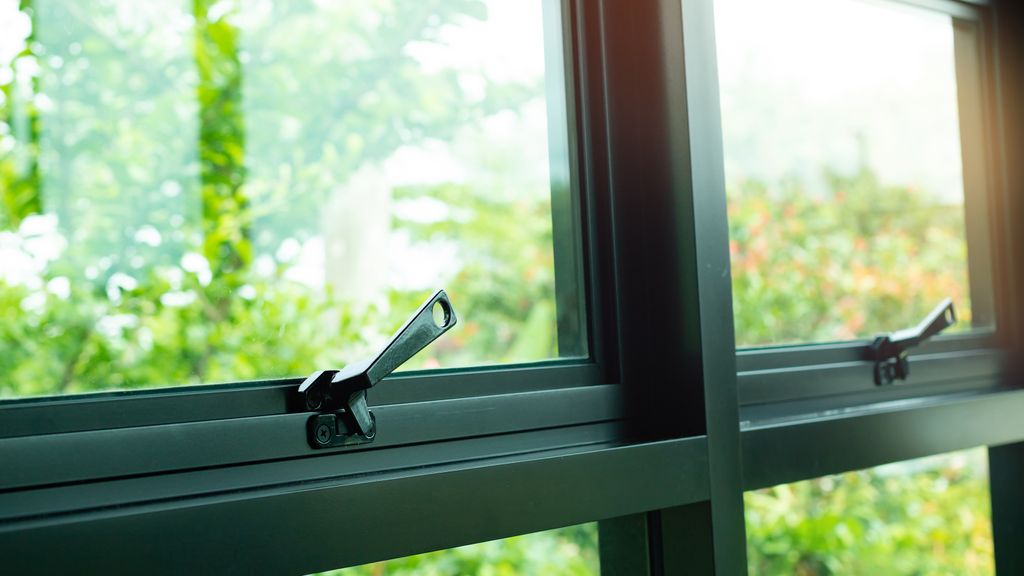
Minimalist Aesthetics – Many modern handles are sleek, slim, and unobtrusive, often blending seamlessly into the frame. Finishes such as matte black, brushed aluminum, and satin nickel are especially popular.
Smart Integration – With the rise of smart homes, handles are no longer purely mechanical. Some modern designs incorporate sensors that detect whether a window is locked or open, connecting to security systems or mobile apps.
Sustainability – Eco-conscious consumers are driving demand for sustainable materials. Recycled aluminum, responsibly sourced wood, and long-lasting composites are increasingly common.
Customization – Homeowners and designers can now choose from an endless range of finishes, shapes, and ergonomic designs, ensuring that handles match personal preferences and interior styles.
Symbolism and the Future
Though small in size, window handles embody the larger story of design evolution. They illustrate how society’s priorities have shifted—from safety and durability to craftsmanship, then to mass production, and now to sustainability and smart integration.
The future of handles is likely to be shaped by ongoing innovations in smart technology and sustainable design. Imagine handles that not only lock a window but also regulate ventilation, monitor air quality, or even adjust tinting in glass panes.
In this way, handles are poised to continue their quiet but significant role in shaping how we interact with our built environment.
Conclusion
The evolution of window handles reflects broader shifts in architecture, technology, and lifestyle. From the handcrafted iron latches of medieval times to today’s sleek, sensor-equipped designs, handles have journeyed from being purely functional to becoming symbols of design innovation.
What was once an overlooked detail is now recognized as an integral element of modern living—proof that even the smallest components of our homes can tell a story of progress, creativity, and human ingenuity.