

What Business Owners Should Know About Local Mold Safety Regulations
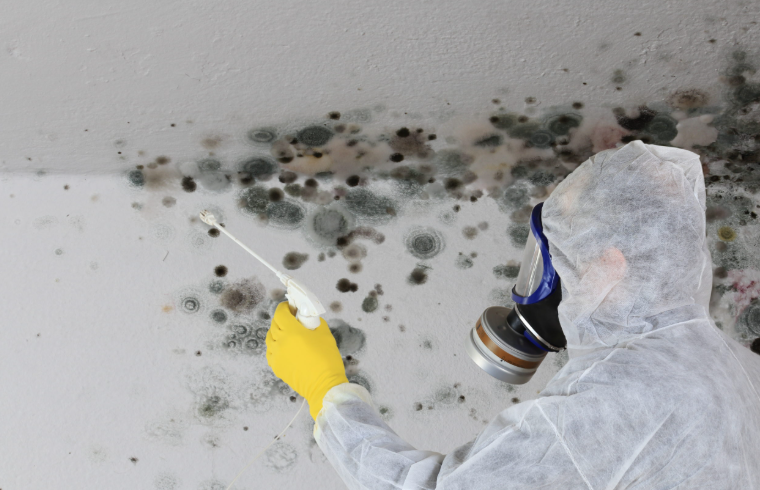
Mold growth in commercial properties is more than just an eyesore—it poses health risks, liability concerns, and regulatory challenges for business owners. In areas like Queens, strict standards exist to protect employees, customers, and tenants from mold exposure. Understanding these rules is crucial for maintaining compliance and ensuring a safe environment. When businesses rely on Commercial Mold Inspection Services in Queens, NY, they can better navigate these requirements and avoid costly violations.
Why Mold Safety Regulations Matter
Mold regulations are designed to protect public health. Prolonged exposure to mold can cause respiratory issues, skin irritation, allergic reactions, and even chronic illnesses. For businesses, this means potential legal claims if employees or customers become sick due to unsafe indoor conditions. Local regulations ensure accountability by requiring property owners to manage and remediate mold promptly.
Key Regulatory Agencies
Business owners should be aware of the agencies overseeing mold regulations in New York:
New York State Department of Labor (NYSDOL)
The NYSDOL enforces licensing and training requirements for mold assessment and remediation contractors. Any professional working on a commercial property must have proper state certification.
New York City Department of Health (NYC DOH)
Although Queens falls under city jurisdiction, the NYC DOH plays a vital role in outlining mold safety guidelines and health standards. They also provide recommendations on safe removal practices.
OSHA (Occupational Safety and Health Administration)
For businesses, OSHA regulations are critical. Employers are responsible for maintaining safe workplaces, which includes ensuring that indoor air quality is free of mold hazards. Failing to comply may result in penalties or lawsuits.
Common Mold Regulations Business Owners Must Follow
1. Mandatory Inspections and Reporting
In many cases, businesses must undergo professional mold inspections if contamination is suspected. Commercial property owners are expected to document inspection results and remediation plans when necessary.
2. Licensed Contractors Only
Only licensed and trained mold assessors or remediators can legally perform work in New York. Hiring unlicensed contractors not only violates the law but also increases liability risks.
3. Worker Safety Standards
If employees are exposed to mold during work, employers must follow OSHA protocols, which may include protective gear, ventilation improvements, and immediate remediation.
4. Tenant and Customer Protection
Landlords and property managers in Queens are required to address mold complaints quickly. Ignoring reports can lead to fines and legal disputes.
The Role of Professional Mold Inspections
Professional inspections are essential for businesses to remain compliant. Mold is often hidden behind walls, ceilings, or HVAC systems, making it difficult to detect without specialized tools. What You Should Know is that professional inspectors don’t just identify visible mold—they also evaluate moisture sources, air quality, and the risk of future growth.
Benefits of Regular Mold Inspections
- Early Detection: Helps businesses address mold problems before they become severe.
- Legal Protection: Demonstrates due diligence in meeting regulatory requirements.
- Health Safeguards: Reduces the risk of health-related complaints from employees and clients.
- Operational Continuity: Prevents costly business interruptions caused by remediation shutdowns.
Mold Remediation Standards
Once mold is found, remediation must follow strict state guidelines. Business owners should know that:
- A mold assessor and a remediation contractor must be separate entities.
- Written remediation plans are required for significant contamination.
- Proper containment measures must be taken to prevent cross-contamination.
- Post-remediation clearance testing is often necessary to confirm success.
Financial and Legal Implications for Business Owners
Ignoring mold safety regulations can be expensive. Fines, lawsuits, and lost business reputation are common outcomes of non-compliance. Furthermore, insurance claims may be denied if businesses fail to meet regulatory standards. On the other hand, keeping up with inspections and remediation can help reduce liability, protect property values, and safeguard brand reputation.
How Local Regulations Differ from Federal Guidelines
Federal agencies like OSHA provide general mold safety standards, but New York has additional state-level laws. Business owners in Queens must comply with both. Local laws tend to be more stringent, focusing on licensing requirements, inspection protocols, and tenant rights. This layered system means businesses must pay close attention to every level of regulation.
Practical Steps for Compliance
To simplify compliance, business owners should:
- Schedule Regular Inspections – Partner with licensed providers for routine assessments.
- Keep Records – Document inspections, remediation plans, and clearance reports.
- Train Staff – Ensure employees know how to recognize and report mold problems.
- Address Moisture Sources – Fix leaks, improve ventilation, and maintain HVAC systems.
- Respond Quickly – Act promptly when mold is detected or complaints arise.
Choosing the Right Mold Inspection Partner
Not all service providers are equal. When selecting an inspection company in Queens, business owners should look for:
- Proper Licensing and Certification
- Experience with Commercial Properties
- Use of Advanced Detection Tools
- Clear Reporting and Documentation
- Strong Track Record in Regulatory Compliance
Reliable partners can help businesses meet all local requirements, reduce risks, and maintain safe work environments.
Conclusion
For business owners in Queens, understanding and complying with mold safety regulations is non-negotiable. Mold issues are not just about property damage—they directly impact health, legal standing, and financial stability. By working with licensed professionals and staying proactive, businesses can avoid penalties while ensuring safe, healthy environments for everyone who enters their premises. Investing in Commercial Mold Inspection Services in Queens, NY provides peace of mind and long-term protection against regulatory and health risks.