How to Add Salmon Oil to Your Dog’s Daily Diet
Good nutrition is one of the most powerful ways to keep your dog healthy, active, and full of life. Beyond the basics of protein, carbs, and fiber, some supplements can give dogs that extra edge in health and vitality. One supplement that’s been making waves among pet parents is salmon oil. Packed with essential fatty acids, it’s a natural powerhouse that can bring noticeable improvements to your dog’s skin, coat, joints, and overall wellbeing.
If you’ve decided to try salmon oil for your pup, the next step is figuring out how to work it into daily meals without any fuss. Here’s everything you need to know.
Why Salmon Oil Deserves a Place in Your Dog’s Bowl
Salmon oil is celebrated because it’s rich in Omega-3 fatty acids (EPA and DHA), along with Omega-6 and Omega-9. These nutrients contribute to:
Smoother, shinier coats with reduced shedding
Relief from dry, itchy, or irritated skin
Better mobility in dogs struggling with stiff or sore joints
Stronger heart and immune function
Sharper brain function, particularly in puppies and senior dogs
It’s safe to say that Salmon oil dogs is more than just a supplement, it’s an all-round health booster.
Picking the Right Salmon Oil
When shopping, quality should be your top priority. Look for salmon oil that is:
- 100% pure with no added fillers
- Cold-pressed to preserve nutrients
- Clearly labelled with EPA and DHA content
- Packaged with a pump dispenser for easy measuring
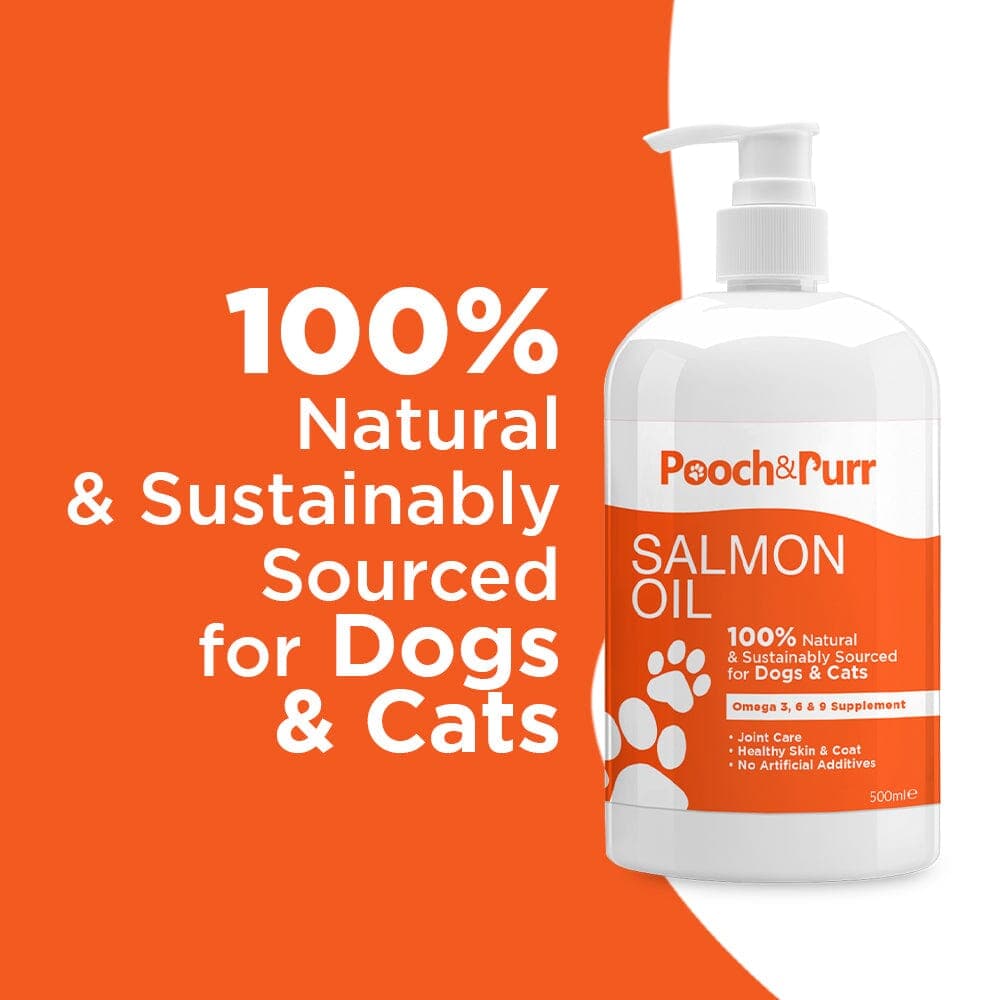
Brands such as Pooch & Purr Salmon Oil are designed specifically for pets, making dosing simple while delivering top-quality oil.
How Much Should You Give?
The right amount depends on your dog’s size:
- Small breeds (<10 kg): 2–5 ml daily
- Medium breeds (10–25 kg): 5–10 ml daily
- Large breeds (25–50 kg): 10–15 ml daily
- Extra large (>50 kg): 15–20 ml daily
If your salmon oil comes with a pump, remember that 1 pump usually equals 2 ml. Always begin with smaller amounts so your dog’s tummy has time to adjust.
Easy Ways to Add Salmon Oil to Meals
The beauty of salmon oil lies in its versatility. Dogs generally love the taste, so getting them to eat it rarely becomes a battle. Here are some of the simplest ways to incorporate it into their daily diet:
- Drizzle Over Kibble
Add the measured amount directly on top of dry food. The oil acts like a natural flavor enhancer and can even tempt picky eaters to finish their bowl.
- Stir into Wet or Raw Food
Salmon oil blends easily with moist foods. Stirring it into wet or raw meals ensures your dog gets every drop of goodness.
- Use as a Topping
Think of it as a finishing touch—drizzle it over food right before serving. This keeps the oil fresh while delivering maximum flavor.
- Infuse Into Treats
If you like making homemade dog biscuits or frozen treats, a splash of salmon oil can elevate both taste and nutrition. Just avoid high heat when baking, as this can reduce its benefits.
- Freeze Into Cubes
Mix salmon oil with water or broth, then freeze it in an ice tray. These icy cubes are perfect for hot days and offer a fun way to supplement your dog’s diet.
Timing and Consistency
There’s no strict rule about when to give salmon oil, but consistency is what really counts. You can:
- Add it to breakfast so your dog starts the day with a nutrient boost.
- Split the dosage between morning and evening meals, which can be easier on sensitive stomachs.
Whatever routine you choose, stick to it daily to see the best results.
Introducing Salmon Oil the Right Way
Dogs don’t always react well to sudden dietary changes, even healthy ones. To avoid tummy troubles:
- Begin with half the recommended serving.
- Continue this reduced amount for a week.
- Gradually increase until you reach the full dosage.
This slow introduction allows your dog’s digestive system to adapt comfortably.
Possible Side Effects
While salmon oil is generally safe, too much of a good thing can backfire. Over-supplementation may cause:
- Loose stools or diarrhea
- Unwanted weight gain
- Rarely, issues like pancreatitis in dogs sensitive to fatty foods
Following dosage guidelines and consulting your vet if your dog has existing health problems is always best.
Combining Salmon Oil with Other Supplements
Many pet parents like to pair salmon oil with other health boosters. Popular combinations include:
- Joint supplements like glucosamine and chondroitin
- Probiotics for gut health
- General multivitamins for balanced nutrition
Just be careful not to double up on omega-rich products, which can upset the balance of fatty acids.
How to Store Salmon Oil
To make sure the oil stays fresh and safe:
- Keep the bottle in a cool, dark spot.
- Check the label—some products should be refrigerated after opening.
- Use it within the recommended timeframe (usually about 3–4 months once opened).
Fresh oil equals better taste, higher nutrient content, and safer supplementation. Salmon Oil at Poochiful e-store is made to the highest standards, ensuring your dog enjoys both taste and nutrition. At this online store, you will also find various kinds of products for your pets like cheese bones for dogs, Seaweed for dogs, Plaque off powder for dogs and cats.
Patience Pays Off
Don’t expect overnight miracles. Salmon oil needs time to build up in your dog’s system. Many owners notice improvements in their dog’s skin, coat, and energy levels after about 4–6 weeks of consistent use.
Final Thoughts
Adding salmon oil to your dog’s daily diet is one of the simplest steps you can take to support long-term health. With just a drizzle over kibble, a stir into wet food, or a fun frozen treat, you can deliver powerful nutrients that strengthen the body inside and out.
The keys are choosing a quality product, sticking to the right dosage, and making it part of the daily routine. With a little consistency, you’ll soon see your furry companion enjoying the glow of better health, shinier fur, and wag-worthy energy.