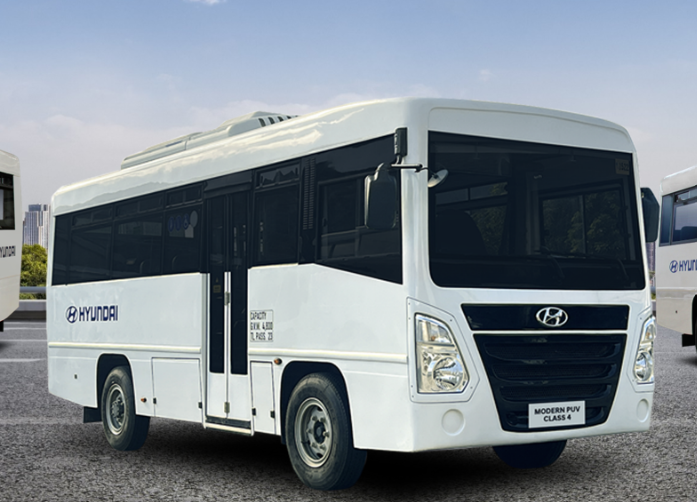
Technology Integration in Modern Jeeps in the Philippines
Jeepneys have been a central part of Philippine transportation and daily life for decades. Modern jeeps in the Philippines are adopting new technologies that improve their functionality and service for passengers. These updates reduce pollution and increase operational efficiency. Passengers experience more comfortable rides due to these technological improvements. Modern jeepneys contribute to the development of a cleaner and more organized urban transport system.
Environmental Sustainability in Modern Jeepneys
Modern jeepneys in the Philippines are adopting technology to improve environmental performance, safety, and passenger convenience. Diesel engines are being replaced with electric and hybrid models to reduce emissions. The Department of Transportation (DOTr) plans to have at least 15,000 electric jeepneys operating by 2030 to cut the country’s carbon footprint. These engines produce less noise and pollution, contributing to better urban air quality. The integration of digital payment systems and real-time route information improves efficiency and enhances passenger safety.
Electric and Hybrid Engines
Electric jeepneys, or e-jeeps, produce no tailpipe emissions and operate more quietly than traditional vehicles. These vehicles use advanced battery systems that improve performance and extend travel distance. Most electric jeepneys can cover up to 120 kilometers on a single charge, which meets the demands of typical city routes. The construction of additional charging stations supports wider adoption, with the Department of Energy promoting nationwide infrastructure expansion. Financial incentives and subsidies are available to operators, encouraging the transition from diesel to electric. Cities such as Manila, Cebu, and Davao are adopting electric jeepneys as part of their public transport systems.
Improving Safety and Security
Modern jeepneys include safety features such as GPS tracking, speed limiters, and CCTV cameras. Pilot programs report that fleets equipped with GPS and cameras experienced a 20% reduction in road incidents. Interior and exterior cameras deter theft and violence, while speed limiters help drivers comply with traffic regulations. Panic buttons and emergency call systems provide immediate assistance during emergencies. These upgrades increase passenger confidence and make jeepneys a safer mode of transportation.
Digital Safety Tools
GPS systems monitor jeepney locations and improve fleet management. The data collected provides real-time traffic information that supports city planning and transport policies. Insurance providers are more likely to offer coverage for jeepneys equipped with these safety tools, encouraging further upgrades. The Land Transportation Franchising and Regulatory Board (LTFRB) requires GPS installation on all modernized jeepneys. This mandate reflects a nationwide effort to improve safety in public transportation.
Enhancing Passenger Convenience
Modern jeepneys use digital tools to improve passenger convenience. Contactless payment through QR codes or smart cards speeds up fare collection and reduces risks associated with cash handling. Mobile applications provide route maps, estimated arrival times, and allow passengers to rate drivers, improving transparency and accountability. Some operators integrate apps with government databases to optimize route planning and minimize delays. These digital features increase passenger confidence and make commuting more efficient and reliable.
Keeping Tradition Alive While Modernizing
Modern jeepneys retain their traditional design while incorporating new technologies. Some operators express concerns that updates could alter the vehicle’s distinctive style. Manufacturers integrate classic designs with LED lighting, comfortable seating, durable materials, and upgraded engines. This combination maintains cultural identity while improving transportation functionality. Many modern jeepneys continue to display colorful artwork and decorations, preserving the recognizable and vibrant appearance of these vehicles.
Challenges and What’s Next
Several factors slow the adoption of technology in jeepneys. The network of charging stations for electric models remains limited. Upfront costs are high, with electric jeepneys costing up to twice as much as traditional vehicles, even with government assistance. Drivers and mechanics require additional training to operate and maintain new technology, which government workshops and private partnerships are addressing. Some resistance to change continues among operators and passengers, but ongoing support from the government and private sector helps facilitate adoption.
The Public Utility Vehicle (PUV) modernization program aims to replace old, polluting jeepneys with safer and more efficient models. This initiative is expected to generate thousands of jobs in manufacturing, maintenance, and technology services. Private companies, including Hino and Hyundai, are investing in electric jeepney production, reflecting growing confidence in the market. The program combines regulatory support and industry collaboration to modernize public transportation nationwide. These efforts contribute to cleaner, safer, and more reliable urban mobility.
Key Takeaway
Modern technology is transforming modern jeeps in the Philippines into cleaner, safer, and more efficient vehicles. These jeepneys combine traditional design with innovations that address environmental and urban challenges. Upgraded engines reduce emissions and noise, contributing to improved air quality in cities. Safety features, digital tools, and real-time monitoring enhance passenger security and streamline commuting. The continued adoption of these technologies is shaping the future of public transportation and daily travel across the Philippines.