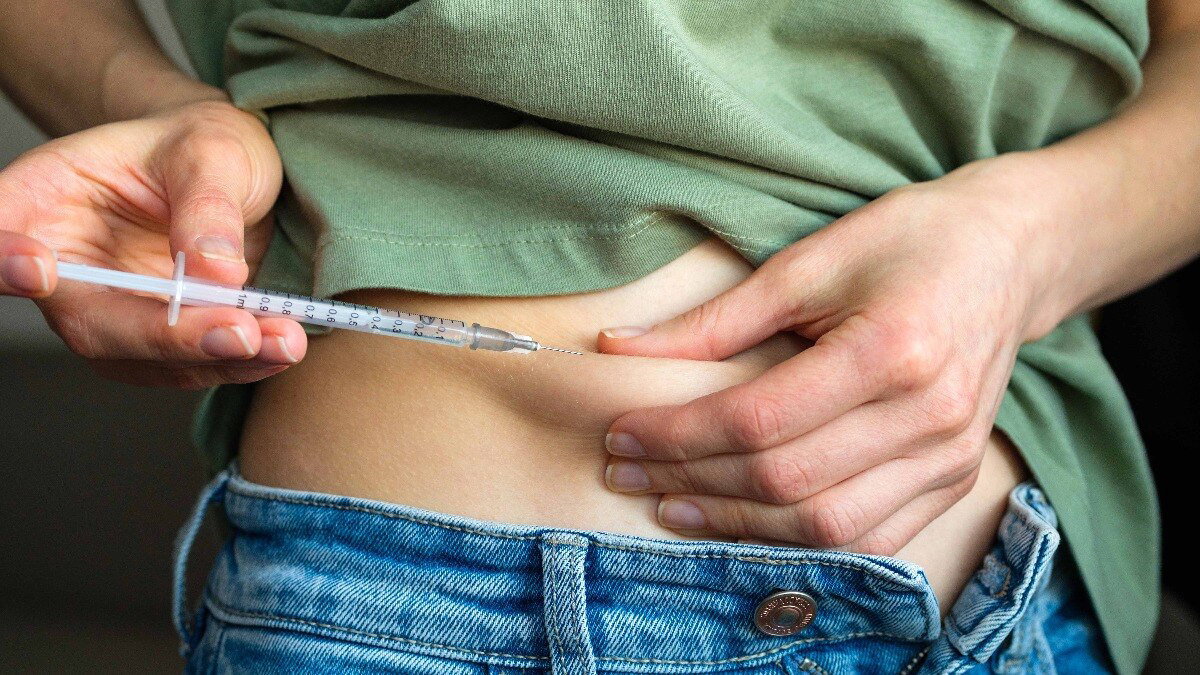
A Beginner’s Guide to Weight-Reducing Injections
Weight-reducing injections have gained significant attention as a potential tool in the fight against obesity and excess weight. While lifestyle changes like healthy eating and regular exercise remain the foundation of weight management, many people struggle to achieve sustainable results with these methods alone.
This is where medical interventions such as injections come into play. If you are curious about how they work, their effectiveness, and whether they might be right for you, this beginner’s guide will walk you through the essentials.
What Are Weight-Reducing Injections?
Weight-reducing injections are medications delivered through a subcutaneous (under the skin) injection, often prescribed to help individuals lose weight when traditional methods are not sufficient. These injections typically belong to a class of drugs known as GLP-1 receptor agonists. The most well-known examples include semaglutide (brand names: Wegovy, Ozempic) and liraglutide (brand name: Saxenda).
GLP-1 stands for glucagon-like peptide-1, a naturally occurring hormone in the body that helps regulate blood sugar levels and appetite. When used as a medication, GLP-1 agonists mimic this hormone, signaling the brain that you are full and slowing digestion. As a result, people eat less and feel satisfied sooner, contributing to gradual and sustainable weight loss.
How Do They Work?
The mechanism of weight-reducing injections involves multiple pathways:
Appetite Control:
The injections reduce hunger by interacting with brain regions responsible for appetite regulation. This leads to fewer food cravings and smaller portion sizes.
Slower Digestion:
They delay gastric emptying, meaning food stays in the stomach longer. This prolongs the feeling of fullness after meals.
Blood Sugar Management:
Originally developed for diabetes management, GLP-1 injections help stabilize blood sugar levels. For those with insulin resistance or type 2 diabetes, this dual effect is especially beneficial.
Behavioral Support:
By reducing cravings, these medications can make it easier for people to adhere to healthier dietary patterns, creating a supportive environment for long-term lifestyle changes.
Who Are They For?
Weight-reducing injections are not designed for everyone. They are typically recommended for:
Adults with obesity (defined as a Body Mass Index [BMI] of 30 or higher).
Adults who are overweight (BMI of 27 or higher) with weight-related health conditions, such as type 2 diabetes, hypertension, or sleep apnea.
Before prescribing these injections, healthcare professionals usually evaluate medical history, existing health conditions, and weight-loss goals. They are not meant for cosmetic weight loss or for individuals seeking to shed a few pounds without medical justification.
Benefits of Weight-Reducing Injections
Clinically Proven Results
Clinical trials show that people using medications like semaglutide can lose up to 15% or more of their body weight when combined with lifestyle changes. This is significantly higher than results achieved through diet and exercise alone.
Improved Health Markers
Beyond weight loss, patients often experience lower blood pressure, improved cholesterol profiles, and better blood sugar control.
Reduced Risk of Chronic Disease
By lowering body weight and improving metabolic health, these injections reduce the long-term risk of conditions such as type 2 diabetes, heart disease, and stroke.
Psychological Boost
Many people feel more confident and motivated when they see tangible results, which can encourage them to stick to healthier routines.
Possible Side Effects
Like any medication, weight-reducing injections come with potential side effects. The most common include:
- Nausea
- Vomiting
- Diarrhea
- Constipation
- Stomach pain
These side effects are usually mild and tend to improve as the body adjusts to the medication. Doctors often start patients on a lower dose and gradually increase it to minimize discomfort.
Rare but serious side effects may include pancreatitis, gallbladder problems, and kidney issues. Because of these risks, ongoing medical supervision is essential.
The Role of Lifestyle Changes
It’s important to understand that weight-reducing injections are not a magic solution. They work best when paired with sustainable lifestyle changes:
Nutrition: Focus on whole foods, lean proteins, vegetables, whole grains, and healthy fats. Limiting processed foods and sugar is key.
Exercise: Aim for at least 150 minutes of moderate physical activity per week, such as brisk walking, cycling, or swimming.
Behavioral Changes: Practice mindful eating, manage stress, and prioritize adequate sleep, all of which play roles in weight regulation.
In other words, the injections provide a powerful tool, but the foundation of success is still a healthy lifestyle.
Cost and Accessibility
One barrier to widespread use of weight-reducing injections is cost. These medications can be expensive, often several hundred dollars per month, and not all insurance plans cover them. Availability also varies depending on region and regulatory approval.
If you are considering them, check with your healthcare provider and insurance company to understand financial options. Some pharmaceutical companies offer patient assistance programs for eligible individuals.
Addressing Common Misconceptions
“They replace diet and exercise.”
False. They are most effective when combined with lifestyle changes, not as stand-alone solutions.
“Once you stop, the weight stays off.”
In reality, many people regain weight after discontinuing the injections, particularly if lifestyle changes are not maintained. This highlights the importance of viewing them as part of a comprehensive, long-term approach.
“They’re only for people with diabetes.”
While originally developed for diabetes, weight-reducing injections are now widely used for individuals with obesity or overweight, regardless of diabetes status.
“They’re unsafe.”
While not risk-free, these medications have undergone rigorous clinical testing and are considered safe for appropriate patients under medical supervision.
What to Expect if You Start
For beginners, here’s a general timeline of what to expect:
Week 1–4: Starting at a low dose, you may notice appetite reduction but also mild nausea.
Month 2–3: Gradual dose increases occur. Cravings diminish, meals feel more satisfying, and weight loss becomes noticeable.
Month 4–6: Weight loss accelerates, often in the range of 5–10% of body weight. Energy levels may improve as health markers stabilize.
Beyond 6 Months: Steady progress continues, though results vary. This is when sustainable habits make the biggest difference in long-term success.
Should You Try Them?
If you’ve struggled with weight management despite sincere efforts with diet and exercise, weight-reducing might be worth exploring. However, they are not suitable for everyone. A thorough consultation with a healthcare professional is the best first step. Together, you can weigh the benefits and risks, discuss alternative strategies, and decide if this approach fits your needs and goals.
Final Thoughts
Weight-reducing injections represent a promising advancement in medical weight management. For individuals with obesity or weight-related health challenges, they can be life-changing, offering not only significant weight loss but also improved overall health. Still, they are not a shortcut or cure-all. Success comes from combining them with long-term lifestyle changes, ongoing medical support, and realistic expectations.
If you are considering these injections, approach them as one tool in a broader toolkit for health, rather than the entire solution. With the right mindset and guidance, they can help you take meaningful steps toward a healthier, more confident future.