

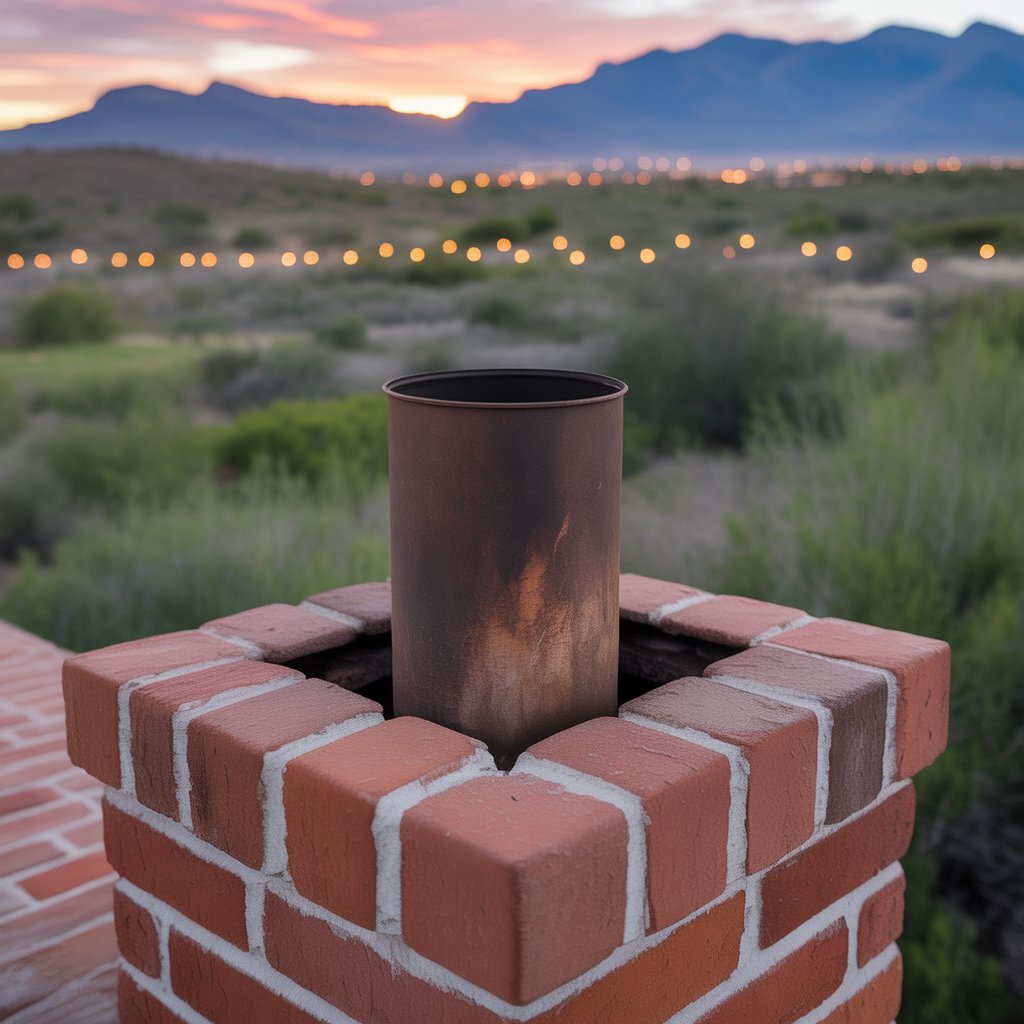
Why Is a Chimney Liner Important for Homes in Marysville?
When most homeowners in Marysville think about their chimneys, they picture the brickwork or the cozy fire crackling inside. Rarely does anyone stop to think about what’s happening behind the scenes. One of the most crucial yet overlooked parts of any chimney system is the liner. Without it, your chimney is more vulnerable to damage, your home may face higher risks, and your fireplace won’t work as efficiently as it should. That’s why every homeowner should understand the importance of having a proper Chimney Liner.
Key Features: The Hidden Protector
Think of a chimney liner as a hidden shield. You don’t see it when you’re enjoying your fireplace, but it’s working non-stop to protect your home.
Here are some of its key roles:
- Heat Barrier: The liner keeps the intense heat from a fire from directly touching the brick and mortar.
- Smooth Pathway: It channels smoke, gases, and by-products safely out of your home.
- Fuel Flexibility: A good liner helps your chimney handle different heating systems, from wood stoves to gas inserts.
- Durability: Liners extend the lifespan of your chimney by reducing wear and tear.
Without this unseen protector, chimneys would deteriorate much faster, and homeowners would face costly repairs far sooner than expected.
Safety: Protecting Your Family First
Safety is by far the biggest reason chimney liners matter. Fireplaces and wood stoves are wonderful in Marysville’s chilly winters, but they also create smoke, ash, and gases that must be vented properly. A damaged or missing liner can cause:
- Fire Hazards: Heat and flames can seep through cracks in the masonry, sparking fires in nearby walls.
- Carbon Monoxide Risks: This dangerous gas can leak into living spaces if the chimney isn’t properly lined.
- Creosote Buildup: Liners reduce rough surfaces where creosote a flammable substance can collect.
- Structural Weakness: Over time, without a liner, bricks and mortar can crumble from constant exposure to heat and acidic smoke.
As one chimney professional once said:
“A liner may be out of sight, but when it’s missing or failing, the risks are impossible to ignore.”
A small investment in a chimney liner often prevents much bigger safety problems down the road.
Cost: Spending a Little to Save a Lot
At first glance, installing or replacing a chimney liner might seem like an unnecessary cost. But compared to the expenses of repairing a damaged chimney or worse, dealing with fire damage it’s a smart and affordable choice.
Here’s a simple cost comparison:
| Situation | Average Cost | Long-Term Impact |
| Installing or replacing a chimney liner | $1,000–$4,000 | Protects chimney structure, reduces fire risk, improves efficiency |
| Ignoring chimney liner issues | $5,000–$20,000+ | Masonry rebuild, smoke damage repairs, or fire restoration |
It’s like replacing the tires on your car. Sure, it costs money upfront, but ignoring them could lead to a much more expensive accident.
Emergency Service: When It Can’t Wait
Most homeowners only think about their chimney once a year, often around the start of winter. But sometimes, a chimney problem can’t wait. Imagine lighting a fire only to see smoke filling your living room or smelling strong fumes indoors. These could be signs of a cracked or missing liner.
That’s where emergency chimney services come in handy. Same-day or urgent repairs can:
- Restore proper ventilation immediately.
- Prevent dangerous gases from seeping into your home.
- Stop further damage from spreading to the chimney’s structure.
- Give you peace of mind before using your fireplace again.
For Marysville homeowners, quick action can mean the difference between enjoying a safe, cozy fire and facing a costly, stressful disaster.
FAQs
Q1: How do I know if my chimney has a liner?
Most modern chimneys do, but older homes may not. A chimney sweep or inspector can confirm this for you.
Q2: What materials are chimney liners made from?
Common options include clay tiles, stainless steel, or cast-in-place cement. Each has its benefits depending on your heating system.
Q3: How often should chimney liners be inspected?
At least once a year, ideally before fireplace season begins.
Q4: Can I still use my chimney without a liner?
Technically yes, but it’s unsafe and not recommended. Many building codes now require liners for safety reasons.
Conclusion
Chimney liners might not get the same attention as fireplaces, mantels, or chimneys themselves, but they are just as important if not more so. For homes in Marysville, where fireplaces are part of cozy winter living, liners play a critical role in keeping families safe, reducing repair costs, and making sure your chimney lasts for decades.
Instead of waiting for problems to appear, schedule regular inspections and take action if a liner needs replacing. It’s one of the simplest steps you can take to protect both your home and the people living inside it. After all, when it comes to home safety, nothing should be left to chance especially something as essential as a Chimney Liner.
Read More: Marysville Chimney Sweep
