

Why Do Milling Burs Wear Out Quickly? Causes And Fixes
Milling burs are among the most valuable parts in Dental Lab Tools and are a key to forming accurate restorations from zirconia, PMMA, wax, and other dental materials. Among all the most common problems, the dental technicians are struggling, is the tear and excessive wear of milling burs. Understanding why this happens and how to fix it, is important to maintain efficiency, accuracy and strength in the dental laboratory.
In this article, we’ll explore the main causes of premature bur wear, practical solutions, and why choosing high-quality Dental Lab Equipment makes all the difference.
Causes of Milling Bur Wear
1. High Production Volumes
In today’s dental laboratories, production demands are growing fast. With 60,000 zirconia blocks monthly being made by machines, milling burs are maximized. Increased production subjects burs to everyday usage wear, which leads to rapid wear-out than anticipated.
2. Material Hardness
Material such as zirconia multilayer is very hard and needs a vast force in milling. The more hard the material, the greater the stress for the cutting edges of the bur, speeding wear. Soft materials such as PMMA have less friction, but so too, through frequent use, do they cause tool wear.
3. Misuse or Storage
Even better Dental Lab Tools can fail if abused. Failure to store it, dust or plaster contamination, or improper handling during rotation of tools may result in early damage or micro-fractures of burs.
4. Insufficient Cooling or Polishing
In milling, the burs produce a lot of heat. Without adequate cooling or polishing methods, the heat results in microscopic fractures or blunting of the cutting edge. This eventually significantly lowers efficiency and lifespan.
5. Overuse Without Replacement Cycles
Most labs attempt to get several uses out of milling burs past the suggested usage to save money. This has a detrimental effect, though, as worn-out burs produce incorrect restorations, use more, and ultimately cost more in remakes.
Solution and Best Practices
1. Pair the Right Bur to the Right Material
Various restorative materials have different hardness. Choosing burs for zirconia, PMMA, or wax optimizes performance and dental lab equipment life.
2. Replacement Cycle on a Regular Basis
Effective replacement at the appropriate time is critical. Rather than replacing a bur when it totally fails, institute a preventive maintenance cycle. This obviates remakes and maintains accuracy consistency.
3. Improper Handling or Storage
Even superior Dental Lab Equipments may malfunction if used incorrectly. Incorrect storage, dust or plaster contamination, or improper handling during tool changes may cause premature damage or micro-fractures in burs.
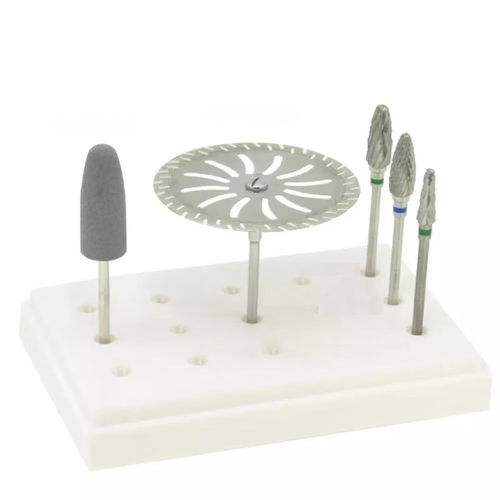
4. Application of Polishing and Grinding Kits
Specific polishing and grinding sets, like for zirconia, lithium disilicate, or acrylics, are part of what constitutes quality restorations and saves wear on milling burs. They distribute the load between cutting and finishing in a manner that prevents burs from being used for a shorter duration.
5. Spend in Quality Materials
The quality of the block being milled directly impacts dental lab equipment life. Uniform nano-grade zirconia powder ensures level cutting surfaces, which subsequently reduces unnecessary bur wear. Low-quality blocks can easily chip burs and reduce accuracy.
Why Choose HaHasmile
We are experts in offering top-quality Dental Lab Tools to ensure smooth and efficient workflows. We have more than a decade of experience in manufacturing and supplying dental restoration products and understand the problems technicians face while working on a daily basis.
Here’s why thousands of practices’ dental professionals trust us:
High Production Capacity
Our factory has three production lines producing 60,000 zirconia blocks per month, enough to meet the demand of foreign countries without compromising on quality.
International Certifications
CE, FDA, and ISO certification of products ensures every product meets high standards of international quality.
Raw Materials of Higher Quality
Using imported nano-grade zirconia powder ensures fine, uniform particles and uniform quality. This translates to less milling trouble and less bur wear.
Global Reach
With distribution in over 190 nations and associations with major denture processing facilities and oral hospitals, we have established a firm global reputation.
Cost-Effective and Direct Supply
By selling directly from our factory, we keep our clients close to 30% less than agents, but still provide quality materials without compromising on performance.
Our corporate mission at HaHasmile is simple but effective: to enable dental laboratories across the globe to provide natural smiles at reduced prices, leading to improved patients’ lives globally.
FAQs
1. What is the most prevalent reason for milling burs to become excessively worn out?
The primary reason is hard material milling such as multilayer zirconia in large production volumes. Inadequate handling and the absence of adequate polishing methods also play a significant role in reducing bur life.
2. How can dental laboratories increase the life of their milling burs?
Dental laboratories can maximize bur life by following cyclic replacement intervals, being careful while handling burs, properly storing them, and using polishing kits to minimize excessive stress during milling.
3. Why would dental laboratories need to use HaHasmile for Dental Lab Tools?
We provide CE, FDA, and ISO-certified materials, manufactured using imported nano-grade zirconia powder to ensure consistent quality. With a 60,000 pieces-per-month production capacity and sales across more than 190 countries, we bring together quality, price, and international expertise.