

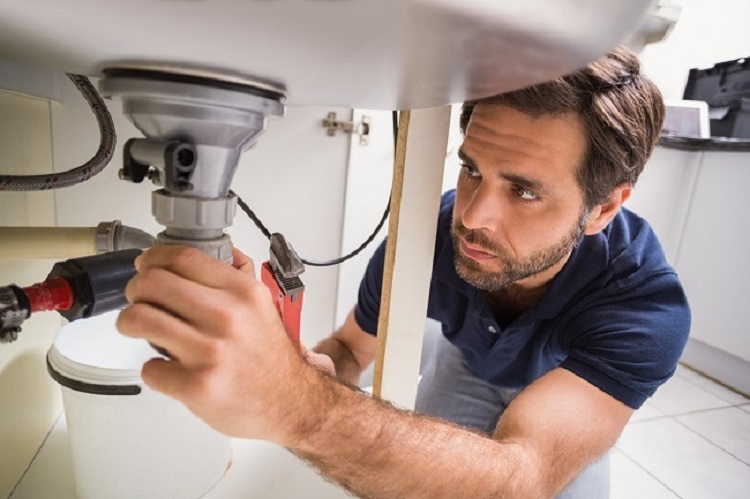
Solutions for Common Plumbing Problems
Plumbing issues can strike at any time, turning a peaceful home into a chaotic mess. From dripping faucets to clogged drains, these problems can disrupt daily routines and lead to costly repairs if left unchecked. The good news is that many common plumbing issues can be resolved without professional help, saving you time and money.
In this comprehensive guide, we’ll walk you through simple yet effective solutions for the most frequent plumbing problems. Whether you’re dealing with a running toilet or a burst pipe, these tips will help you tackle the issue with confidence.
Fixing a Leaky Faucet
A dripping faucet is more than just an annoyance—it can waste hundreds of gallons of water each year. The most common causes are worn-out washers, O-rings, or corroded valve seats.
Step-by-Step Fix:
Start by turning off the water supply under the sink. Next, remove the faucet handle using a screwdriver. Once the handle is off, inspect the washer and O-ring for damage. If they appear worn or cracked, replace them with new ones from a hardware store. Reassemble the faucet and turn the water back on to check if the leak has stopped.
If the faucet continues to drip, the issue may lie in the valve seat or cartridge, which might need cleaning or replacement.
Clearing a Clogged Drain
Slow or blocked drains are a common issue in kitchens and bathrooms, often caused by hair, soap scum, grease, or food particles.
Step-by-Step Fix:
Before resorting to harsh chemical cleaners (which can damage pipes), try a natural solution. Pour half a cup of baking soda followed by a cup of vinegar down the drain. Let it sit for 15 minutes, then flush with hot water. This mixture helps break down minor clogs.
For stubborn blockages, use a plunger to create suction and dislodge the debris. If that doesn’t work, a drain snake can be inserted to manually remove the clog.
Stopping a Running Toilet
A constantly running toilet can waste a significant amount of water and increase your utility bill. The problem is usually due to a faulty flapper, fill valve, or float mechanism.
Step-by-Step Fix:
Remove the toilet tank lid and check the flapper. If it doesn’t seal properly, water will keep leaking into the bowl. Adjust or replace the flapper if necessary.
Next, inspect the fill valve. If the water level is too high, adjust the float to lower it. If the fill valve is malfunctioning, replacing it is a simple task with a universal repair kit.
Restoring Low Water Pressure
Weak water flow from faucets or showerheads can make everyday tasks frustrating. The issue is often caused by mineral buildup, a partially closed shutoff valve, or hidden leaks.
Step-by-Step Fix:
Start by cleaning the aerator (the small screen at the faucet’s tip). Unscrew it and soak it in vinegar overnight to dissolve mineral deposits. Rinse and reattach it.
If the problem persists, check the main shutoff valve to ensure it’s fully open. Also, inspect exposed pipes for leaks. If low pressure affects the entire house, a professional plumber may need to assess the water line.
Fixing a Jammed Garbage Disposal
A garbage disposal that won’t turn on or makes grinding noises likely has a jammed impeller or overloaded motor.
Step-by-Step Fix:
First, turn off the power at the circuit breaker. Never insert your hand into the disposal. Instead, use an Allen wrench to manually rotate the disposal’s blades from the bottom to free any obstructions.
Once the blades move freely, press the reset button (located at the bottom of the unit) and restore power. Run cold water and test the disposal. Avoid putting fibrous foods, grease, or large bones in the disposal to prevent future jams.
Repairing a Leaky Pipe
Leaky pipes can lead to water damage and mold growth if not addressed quickly. Small leaks can often be fixed temporarily until a permanent solution is applied.
Step-by-Step Fix:
For a minor leak, wrap waterproof tape or use a pipe clamp around the affected area. For a more durable fix, turn off the water supply, drain the pipe, and apply epoxy putty or replace the damaged section.
If the leak is at a joint, tightening the fitting or reapplying plumber’s tape may solve the issue. For major leaks, consult a professional plumber to prevent further damage.
Thawing Frozen Pipes
Frozen pipes in winter can burst, causing extensive water damage. If you notice reduced water flow during cold weather, act immediately.
Step-by-Step Fix:
Turn on the faucet to allow water to flow as the pipe thaws. Use a hairdryer, heat lamp, or heating pad to gently warm the frozen section. Never use an open flame, as it can damage pipes or start a fire.
To prevent freezing, insulate exposed pipes and keep cabinet doors open to allow warm air circulation. In extreme cold, let faucets drip slightly to keep water moving.
Quieting a Noisy Water Heater
A rumbling or popping noise from your water heater is often caused by sediment buildup at the bottom of the tank.
Step-by-Step Fix:
Drain and flush the tank to remove sediment. Turn off the heater, attach a hose to the drain valve, and let the water flow out until it runs clear. Refill the tank before turning the heater back on.
If noises persist, the heating element may need replacement. Flushing the tank annually can prevent this issue.
Fixing a Water Heater That Produces No Hot Water
If your water heater isn’t providing hot water, the problem could be a tripped circuit breaker, faulty thermostat, or broken heating element.
Step-by-Step Fix:
For electric heaters, check the circuit breaker and reset it if needed. If it trips repeatedly, there may be an electrical issue requiring professional help.
For gas heaters, ensure the pilot light is lit. If it’s out, follow the manufacturer’s instructions to relight it safely. If the heater still doesn’t work, the thermocouple or gas valve may need replacement.
Eliminating Sewer Smells
A foul odor from drains usually indicates a dry P-trap or a sewer line issue.
Step-by-Step Fix:
Run water in rarely used drains to refill the P-trap, which blocks sewer gases. If the smell persists, check for a broken vent pipe. Pouring a bleach-water solution down the drain can also help eliminate odor-causing bacteria.
If the smell comes from multiple drains, there may be a sewer line problem requiring professional inspection.
Final Thoughts
While some plumbing problems require professional expertise, many can be resolved with basic tools and a little know-how. Regular maintenance and prompt repairs can prevent minor issues from escalating into costly disasters.
By following these practical solutions, you can keep your plumbing system in top shape and enjoy a hassle-free home. However, if a problem seems too complex or dangerous, don’t hesitate to call a licensed plumber for assistance.
