

Steps to Take If Your Basement Starts Flooding
Basement flooding is one of the most stressful home emergencies that a homeowner can face. Whether it’s caused by heavy rain, a burst pipe, or a backed-up drain, the damage can be extensive and costly if not handled quickly. During such situations, knowing the right steps to take can save you time, money, and stress. In many cases, contacting an Emergency Plumbing Service is the most effective way to minimize damage and restore safety to your home. Below is a comprehensive guide on what to do when you discover flooding in your basement.
Recognizing the Urgency of Basement Flooding
Even a small amount of water can cause big problems if left unattended. Flooding can weaken your home’s foundation, damage stored belongings, and create an environment for mold and mildew. That’s why it’s critical to act as soon as you notice water pooling in your basement. Taking immediate steps will help protect your property and reduce the overall cost of repairs.
Step 1: Stay Safe First
Your safety should always be the number one priority when dealing with flooding. Flooded basements often carry risks such as electrical hazards, contaminated water, or structural damage.
Turn Off Electricity
Before entering a flooded basement, make sure the power supply to that area is shut off. If the electrical panel is located in the basement and water has already reached it, do not attempt to switch it off yourself. Call your utility provider for guidance.
Avoid Direct Contact with Water
Flood water can contain harmful bacteria, chemicals, or sewage. Wearing rubber boots and gloves will protect you from direct exposure.
Step 2: Stop the Source of the Water
Identifying and stopping the source of flooding is essential.
- Burst Pipes: Shut off the main water supply immediately.
- Heavy Rain or Groundwater: Check for clogged gutters, downspouts, or foundation leaks.
- Sewer Backup: If drains or toilets are backing up, it may be an issue with the main sewer line.
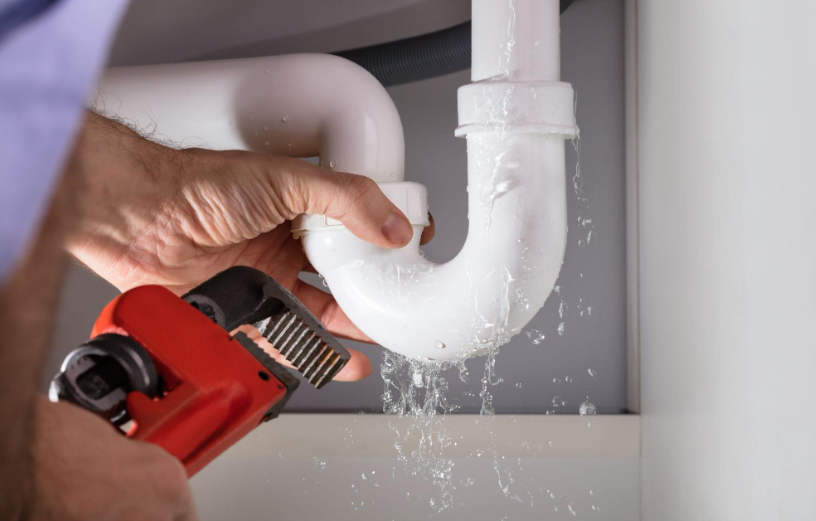
If you cannot determine or stop the source yourself, contact an Emergency Plumbing Service right away. A professional plumber has the tools and expertise to quickly identify the issue and prevent further damage.
Step 3: Begin Removing the Water
Once the immediate risks are under control, it’s time to remove the water. The method will depend on how severe the flooding is.
- Small Amounts of Water: Towels, buckets, and a wet/dry vacuum may be sufficient.
- Significant Flooding: A sump pump or professional water removal service will likely be necessary.
Quick removal of water is important to prevent mold growth and structural damage.
Step 4: Protect Your Belongings
Basements often serve as storage spaces, which means flooding can cause significant damage to personal items.
- Move furniture, boxes, and electronics to a dry area as soon as possible.
- If certain belongings are soaked, consider drying them out with fans or dehumidifiers.
- In cases where items are beyond repair, it’s best to discard them to avoid mold contamination.
Step 5: Dry Out the Basement
Even after water has been removed, moisture can linger and cause long-term issues.
Use Fans and Dehumidifiers
Running industrial fans and dehumidifiers will help circulate air and dry the basement more quickly.
Open Windows and Doors
If weather permits, allow natural ventilation to speed up the drying process.
Monitor for Mold
Mold can begin forming within 24–48 hours of water exposure. Watch for musty odors, discoloration, or visible growth.
Step 6: Disinfect and Clean
Floodwater often contains contaminants, especially if caused by a sewer backup. Cleaning and disinfecting is essential to restoring a safe living environment.
- Use a bleach solution or specialized cleaning products to sanitize surfaces.
- Clean walls, floors, and any furniture or items that were exposed to water.
- If flooding was extensive, consider hiring professional cleaning and restoration services.
Step 7: Document the Damage
If you plan to file an insurance claim, proper documentation will support your case.
- Take clear photos and videos of the flooded areas and damaged items.
- Keep receipts for repairs, cleanup, and replacements.
- Contact your insurance provider as soon as possible to report the incident.
Step 8: Prevent Future Basement Flooding
Once the situation is under control, focus on preventing it from happening again.
- Install a Sump Pump: A sump pump helps redirect water away from your home during heavy rains.
- Seal Cracks: Inspect and seal foundation cracks to keep groundwater from seeping in.
- Maintain Gutters and Downspouts: Ensure water is directed away from your home.
- Regular Plumbing Inspections: Scheduling periodic inspections with a professional plumber can catch small issues before they become major emergencies.
When to Call an Emergency Plumbing Service
Not all basement flooding issues can be solved with DIY methods. You should call an Emergency Plumbing Service immediately if:
- Water continues to flow into the basement, and you can’t locate the source.
- The flooding is caused by a burst pipe, sewer backup, or malfunctioning sump pump.
- There are electrical hazards or safety concerns.
- You notice rapid water accumulation that you can’t manage on your own.
Professional plumbers have specialized tools and experience to quickly assess and repair problems, preventing further damage to your home.
Conclusion
A flooded basement can be overwhelming, but taking the right steps can significantly reduce the damage and stress it causes. Prioritize safety, stop the source of water, and remove as much moisture as possible while protecting your belongings. Don’t hesitate to call an Emergency Plumbing Service when the situation is beyond your control. By acting quickly and following proper cleanup measures, you can restore your basement, protect your investment, and reduce the risk of future flooding.