

What is Cladding in Construction?
Why Cladding Matters More Than Ever
Did you know the global cladding market hit $253 billion in 2024 and is set to grow to $386 billion by 2030 (CAGR 7.3%)? That’s because more builders and property owners are realizing how critical cladding is—not just for looks, but also for energy efficiency, durability, and property value.
So, what exactly is cladding in construction, and why does it matter? In this guide, we’ll explain it in simple terms, highlight the key benefits, and share useful facts to help you plan your next project. In Barton-le-Clay, UK, there are some excellent cladding service providers—we’ve listed a few here to make it easier for you to choose the right team when you’re ready to upgrade your property.
What Is Cladding in Construction?
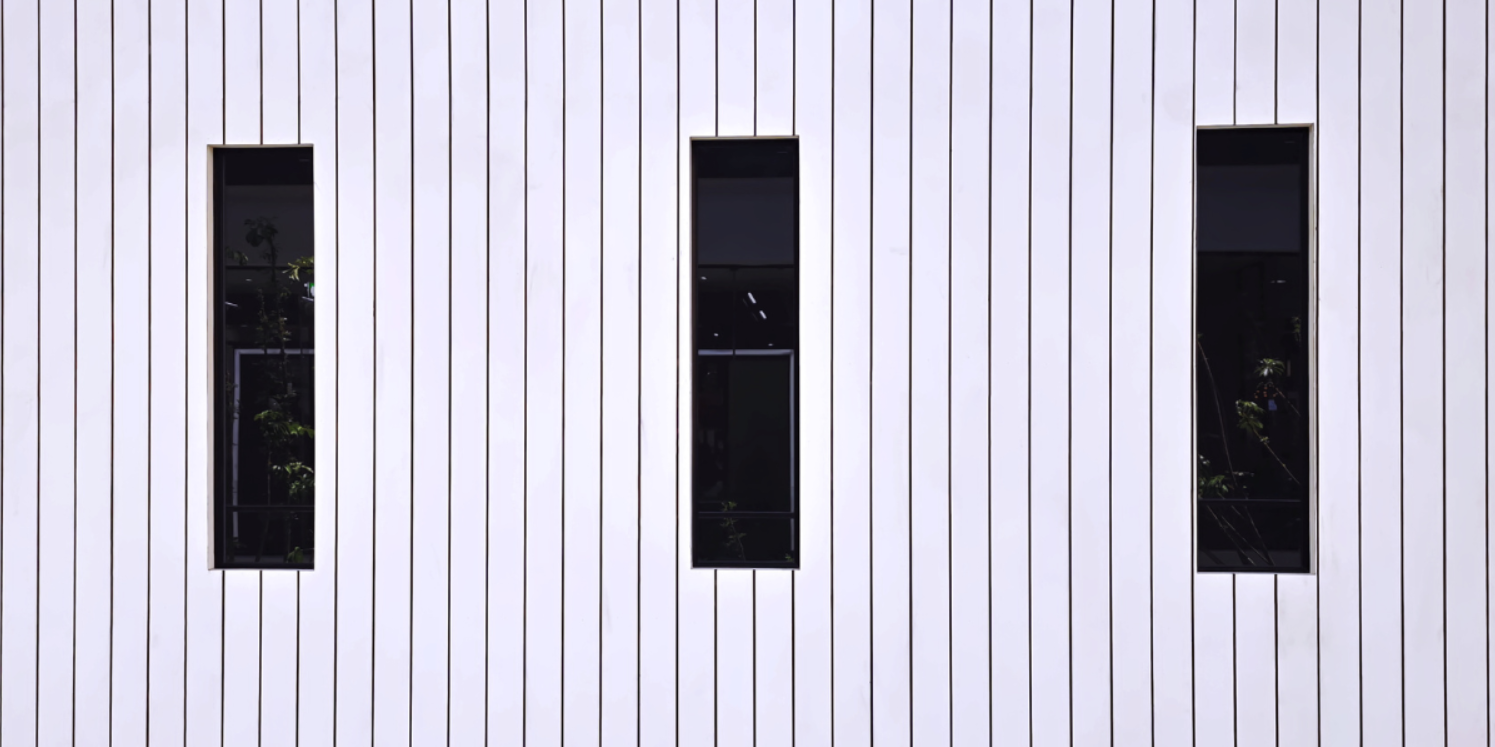
Cladding is a protective skin added to the outside of a building. Think of it as a shield—it keeps out rain, wind, and sun while also giving a property a fresh, modern look.
It doesn’t hold the building up (that’s the job of the structure), but it makes the building stronger in other ways: insulation, energy efficiency, and protection.
You can read this guide to understand why cladding coating is important:
What Is a Cladding Coating and Why Is It Important?
Cladding Contractors in UK
- Commercial Spray Painting
- Bell Group
- MJ Kloss Painters & Decorators
- USP coatings
- Revamp Spray
Why Cladding Is More Than Just Decoration
Cladding is like a winter coat for your home. It protects walls, reduces damage from weather, and helps with insulation.
- In cold climates, it stops heat from escaping.
- In hot areas, it keeps interiors cooler.
- According to UK energy studies, solid wall insulation through cladding can cut heat loss by up to 60%—that’s a serious reduction in energy bills.
Common Types of Cladding Materials (With Pros & Cons)
| Material | Benefits | Drawbacks | Best For |
| Metal | Strong, fire-resistant, low maintenance | Higher upfront cost | Warehouses, factories |
| Wood | Natural look, good insulation | Needs frequent care | Homes, cabins |
| Vinyl | Cheap, easy to install | Can fade or crack | Budget projects |
| Brick/Stone | Timeless, durable | Expensive, heavy | Classic & luxury builds |
| Fibre Cement | Long lifespan (up to 50 years) | Heavier than vinyl | Modern designs |
How Cladding Saves Energy (and Money)
Energy efficiency is one of the biggest reasons cladding is booming. It’s part of the thermal envelope—the barrier between inside and outside.
Adding insulation behind cladding can:
- Cut heating and cooling costs by 20–40%.
- Lower carbon footprint.
- Improve comfort inside the building year-round.
Installation Process: What to Expect
Cladding installation isn’t a DIY weekend job—it requires precision. Here’s the typical process:
- Prepare the wall surface.
- Install a sub-frame or support structure.
- Add insulation and a vapor barrier.
- Fix cladding panels securely.
- Seal joints and edges properly.
When done right, cladding lasts decades. Done wrong? It leads to leaks, wasted energy, and costly repairs.
Maintenance & Lifespan of Cladding
The care depends on the material:
- Metal cladding → Just occasional washing.
- Wood cladding → Needs staining/painting every few years.
- Vinyl cladding → Minimal maintenance, but can crack.
Pro tip: Re-coating cladding not only protects it but also makes an old building look brand new—without full replacement.
Cladding Boosts Property Value
Here’s the part homeowners and businesses love: cladding increases resale value. A modern, energy-efficient exterior makes your building more attractive to buyers or tenants.
Think of cladding as both a protection upgrade and a facelift—it’s functional, but also a powerful curb-appeal booster.
FAQs About Cladding in Construction
Q1: Is cladding only for new buildings?
No, cladding can be added to older buildings as a retrofit to improve energy efficiency and looks.
Q2: How long does cladding last?
Depending on the material, between 20–50 years with proper care.
Q3: Is cladding expensive?
Costs vary widely—vinyl is cheap, while stone and brick are premium. The investment often pays off through energy savings and higher property value.
Q4: Is cladding safe?
Yes—especially modern materials like metal and fibre cement, which are fire-resistant and tested for safety standards.
Conclusion: Why You Should Care About Cladding
Cladding isn’t just a design choice—it’s protection, energy savings, and long-term value all in one. From metal to wood to fibre cement, there’s a solution for every budget and project.
So, the next time you ask, what is cladding in construction?—remember it’s more than an outer layer. It’s an investment in your building’s future.
Thinking of upgrading your property with cladding? Talk to a professional today and see how much value it can add to your home or business.